
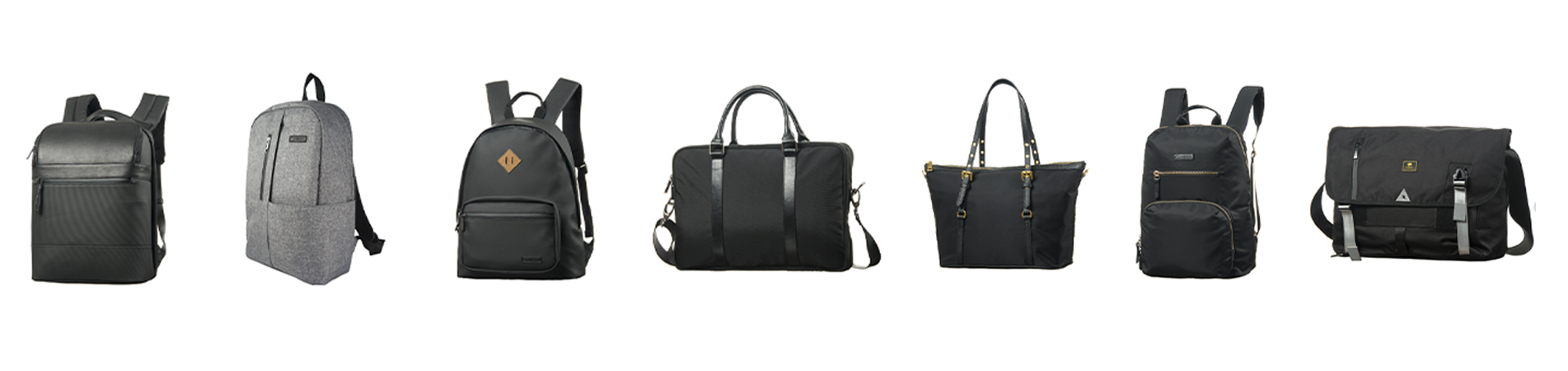
בגלל אריגת הרשת הצולבת, חוטי חיזוק השתי וערב של בד Ribstop משפרים את עמידות הקרע של תיקים.
"מדוע חלק מבדי התיקים נקרעים במשיכה הקלה ביותר, והקרע מתפשט כמו רוכסן, בעוד שאחרים סובלים מנזק מינימלי לאזור אפילו כשהם נשרטים על ידי סלעים חדים?"
זוהי שאלה שאנו שומעים לעתים קרובות מלקוחות B2B הגלובליים שלנו. לעתים קרובות, התשובה אינה טמונה בעובי הבד, אלא במבנה האריגה שלו.
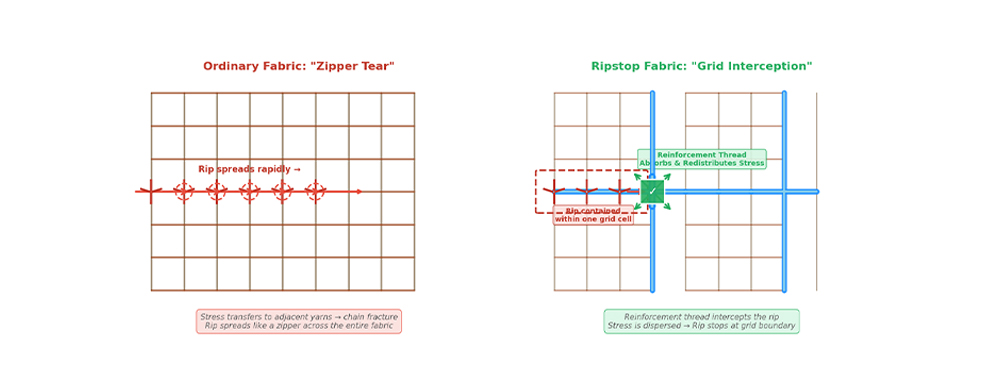
בבדים רגילים באריגה חלקה, ברגע שחוט נקרע, הלחץ עובר באופן מיידי לחוטים סמוכים, מה שגורם לתגובת שרשרת - הקרע מתפשט כמו רוכסן. לעומת זאת, לבד Ripstop יש עמידות מובנית לקרע. הוא אינו מסתמך על "עובי נוסף" לחוזק, אלא על מבנה אריגת חוטי חיזוק דו-כיווני של עיוות וערב המונע התפשטות קרעים.
היום, נחקור את עקרונות האריגה שמאחורי בד קרעים וננתח כיצד חוטי חיזוק עיוות וערב מעניקים לתיקים עמידות יוצאת דופן לקרע.
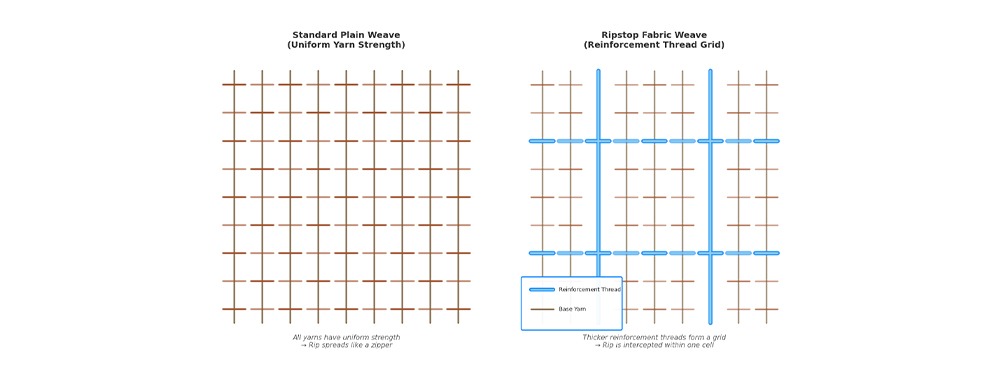
בד ריפסטופ הוא טקסטיל פונקציונלי שבו חוטי חיזוק בעלי חוזק גבוה שזורים במרווחים קבועים מעל אריגה בסיסית.
מה מבדיל את אוקספורד עם אטם קרום (ripstop) מאוקספורד סטנדרטי? ההבדל העיקרי טמון במבנה. הנה השוואה מפורטת:
תכונה | אוקספורד הסטנדרטי | בד קריפסטופ |
מנגנון עמידות בפני קריעה | מסתמך על חוזק החוט בלבד | חוטי חיזוק מבני יירטו קרעים |
ריבוי קורע | מתפשט במהירות | כלול בתוך הרשת |
מִשׁקָל | דומה במכחיש שווה ערך | כמעט ללא משקל נוסף |
תכונה חזותית | משטח חלק | מרקם רשת גלוי |
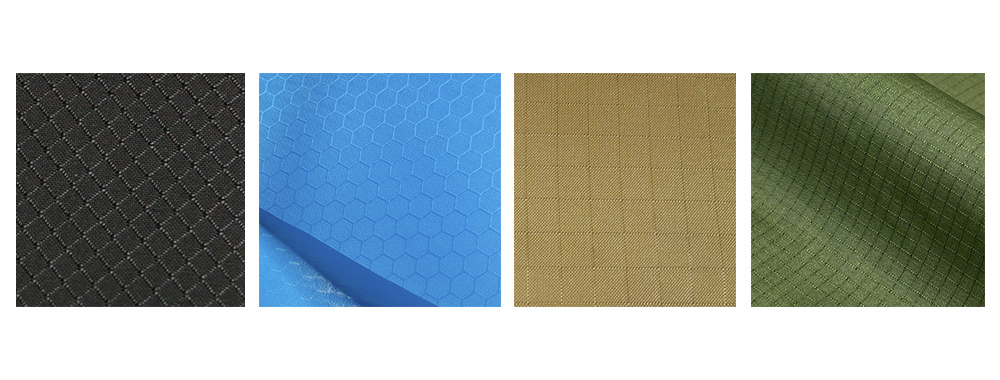
עמידות הקריעה של בד ריפסטופ נובעת ממבנה האריגה המהונדס בדיוק רב. הנה הפירוט הטכני:
בד ריפסטופ משתמש באריגה פשוטה (1×1) או 2×2 באריגה כבסיס. במרווחים קבועים הן בכיוונים השתי (אורכיים) והן בכיוונים הערב (רוחביים), מוכנסים חוטים עבים וחזקים יותר בעלי דנייר גבוה. חוטי חיזוק אלה יוצרים מרקם גלוי בבירור על פני הבד.
אריגה פשוטה היא שיטת השזירה הבסיסית ביותר - חוטי עיוות וערב מצטלבים אחד מעל ואחד מתחת, ויוצרים מבנה בד יציב ואחיד.
חלק מהמפרטים המתקדמים משתמשים באריגת סלים 2×2, שבה שני חוטי עיוות משתלבים בו זמנית עם שני חוטי ערב, ויוצרים משטח הדוק ועמיד יותר בפני שחיקה תוך שמירה על תחושה טובה ביד.
זוהי הליבה של טכנולוגיית ה-ripstop. במהלך האריגה, חוטי חיזוק מוכנסים במרווחים קבועים בשני הכיוונים:
• חוט עיוות קריפסטופ: לאורך הבד (בכיוון האורך), מוכנס חוט בעל חוזק גבוה בעל דנייר גבוה יותר במרווחים של כל 5 מ"מ, 7 מ"מ או 10 מ"מ.
• חוט ערב Ripstop: לאורך רוחב הבד (בכיוון רוחבי), מוכנסים גם חוטי חיזוק במרווחים קבועים.
חוטי חיזוק אלה נארגים בו זמנית עם חוטי הבסיס, ויוצרים מבנה רשת דו-כיווני. כאשר מתרחש קרע, קצה הקרע נתקל תחילה ב"מחסומים בעלי חוזק גבוה" אלה.
ישנם שלושה מפרטי רשת מרכזיים בשוק:
ריווח רשת | עמידות בפני קריעה | תחושת יד / נוקשות | סוגי תיקים מומלצים |
5 מ"מ | ★★★★★ | נוקשה יותר | תיקים טקטיים, תיקי כלים, תיקים תעשייתיים |
7 מ"מ | ★★★★☆ | מְאוּזָן | תיקי טיולים לחוץ, תיקי נסיעות |
10 מ"מ | ★★★☆☆ | רך יותר | תרמילי גב יומיומיים, שקיות אחסון |
טיפ לבחירה: ככל שמרווח הרשת קטן יותר, כך עמידות הקרע חזקה יותר, אך תחושת המגע והרכות יפחתו מעט. אנו יכולים להמליץ על הפתרון האופטימלי בהתבסס על תרחיש השימוש הסופי ודרישות המישוש.
• חיזוק פוליאסטר: עלות נמוכה יותר. פוליאסטר סטנדרטי מתאים ליישומים בעלי חוזק בינוני; פוליאסטר בעל חוזק גבוה משיג דרגות חוזק גבוהות יותר.
• חיזוק ניילון 210D: נפוץ בבדי התנגדות קרעים 210D–420D. הוא מאזן בין ביצועי קריעה, מראה הבד והעלות - מפרט סטנדרטי בתעשייה בעל ערך גבוה. ניתן להשתמש בו גם עבור בדים בסיסיים בעלי דנייר נמוך בהתאם לצורכי הביצועים.
• חיזוק ניילון 420D: משמש בבדי התנגדות לקריעה 420D ומעלה בדרגת דנייר בינונית עד גבוהה כדי לשפר משמעותית את חוזק הקריעה. עבור בדים עמידים 600D+, ניתן לבחור בחוטי חיזוק 420D או בדרגת דנייר גבוהה יותר. לחוזק קיצוני, זמינים סיבים בעלי ביצועים גבוהים כגון פוליאמיד בעל חוזק גבוה, ארמיד או UHMWPE.
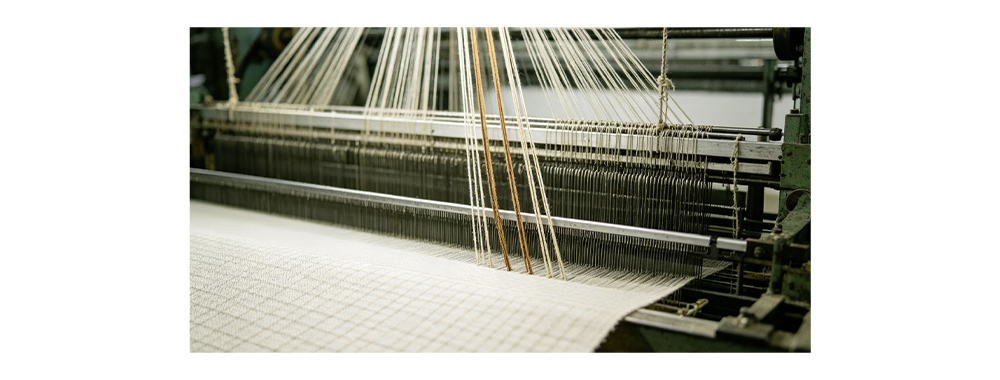
כדי להבין כיצד בד ריפסטופ פועל, עלינו להשוות את אופן הכשל שלו לזה של בד רגיל.
בבד אריגה פשוטה סטנדרטי, לכל החוטים יש חוזק אחיד. כאשר כוח חיצוני גורם לחוט אחד להיקרע, המאמץ עובר באופן מיידי לחוטים סמוכים. מכיוון שלחוטים שכנים יש את אותו חוזק, הם אינם יכולים לעמוד בעלייה הפתאומית בעומס, מה שמוביל לשבר בשרשרת - הקרע מתפשט כמו רוכסן וגורם נזק בקנה מידה גדול.
בד Ripstop פותר בעיה זו באמצעות עיצוב אי-רציפות מכנית:
בהתבסס על תקן בדיקת חוזק הקרע ASTM D2261 (מבחן קרע אלמנדורף), מדידות מעבדה השוו חומר אוקספורד סטנדרטי וחומר אוקספורד קרום-סטופ מאותו דנייר:
מפרט בד | חוזק קריעה סטנדרטי של אוקספורד | חוזק קריעה של ריפסטופ | הַשׁבָּחָה |
ניילון 210D | ~25 ניוטון | ~35–42 ניוטון | +40%–68% |
ניילון 420D | ~35 ניוטון | ~50–60 ניוטון | +43%–71% |
פוליאסטר 600D | ~30 ניוטון | ~42–50 ניוטון | +40%–67% |
הערה: הנתונים בפועל משתנים בהתאם לצפיפות האריגה, לתהליכי הגימור ולתנאי הבדיקה. הנתונים לעיל הם לעיון בלבד.
אם אתם מחפשים להתאים אישית תיקים, כיצד תבחרו את מפרט בד הקריפסטופ המתאים ביותר? הנה סיכום המבוסס על 30 שנות ניסיון בייצור שלנו:
סוג התיק | מפרט מומלץ | ריווח רשת | שיקולים מרכזיים |
נרתיק מתקפל קל במיוחד | ניילון קרפסטופ 20D–70D | 10 מ"מ | עדיפות למשקל; חוזק קריעה מספק |
תרמיל יומיומי | 210D ריפסטופ אוקספורד | 7–10 מ"מ | התמורה הטובה ביותר; מאזן עמידות ותחושת יד |
תרמיל גב לטיולים / טיולים | ניילון קרפסטופ 210D–420D | 5–7 מ"מ | עמידות גבוהה לעומס, עמידות גבוהה בפני שחיקה |
ערכת טקטית/צבאית | ניילון קרפסטופ 420D–600D | 5 מ"מ | עמידות יוצאת דופן; תואם למערכות MOLLE |
תיק כלים / תיק תעשייתי | ציפוי פוליאוריתן + פוליאוריתן 600D–1000D | 5 מ"מ | עמידות מקסימלית + עמידות למים + עמידות בפני UV |
תיק נסיעות / מזוודה חיצונית | ניילון קרפסטופ 420D–840D | 5–7 מ"מ | עמידות בפני פגיעות ושריטות |
נֶכֶס | פוליאסטר (PET) | ניילון (PA) |
כּוֹחַ | טוב; מעט נמוך יותר מניילון | עמידות גבוהה יותר; עמידות מעולה בפני שחיקה |
ספיגת לחות | נמוך יותר; ייבוש מהיר | גבוה יותר; מגע רך יותר |
עמידות בפני מזג אוויר | עמידות טובה יותר ל-UV באופן טבעי | דורש טיפול UV נוסף |
עֲלוּת | לְהוֹרִיד | גבוה יותר |
יישומים אופייניים | תיקי גב יומיומיים, תיקי קידום מכירות, בטנות | תיקי חוץ פרימיום, תיקים טקטיים |
ההמלצה שלנו: אם המוצר הסופי שלכם מכוון לשוק החיצוני או המקצועי הבינוני-יוקרתי, עדיפו להשתמש בניילון ריפסטופ. אם אתם שואפים ליעילות כלכלית וביצועים מהירים של ייבוש, פוליאסטר ריפסטופ הוא הבחירה האידיאלית.
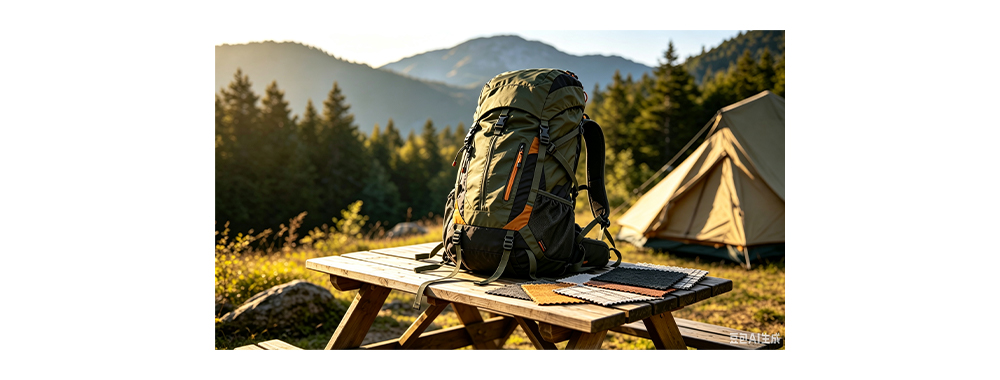
אריגת Ripstop פותרת את חוזק המבנים, בעוד שתהליכי גימור מוסיפים פונקציונליות נוספת.
מריחת ציפוי פוליאוריטן (PU) או למינציה של סרט פוליאוריטן תרמופלסטי (TPU) על גב הבד משפרת משמעותית את ביצועי האיטום:
• ציפוי PU: עלות כוללת נמוכה יותר. PU מבוסס פוליאסטר בעל עמידות נמוכה בפני הידרוליזה; PU מבוסס פוליאתר מציע עמידות טובה יחסית בפני הידרוליזה.
• למינציה של סרט TPU: TPU מגיע גם בסוגי פוליאסטר ופוליאתר - יש לבחור בצורה שונה. בהשוואה ל-PU סטנדרטי, TPU מבוסס פוליאתר מציע עמידות מעולה להידרוליזה, ומערכות ללא ממס הן ידידותיות יותר לסביבה. הוא נפוץ בקווי מוצרים פרימיום.
• ציפוי PVC: עמידות מצוינת לאיטום, לדקירה ולתנאי מזג אוויר. עם זאת, הציפוי מוסיף משקל ניכר ומעניק לבד תחושה נוקשה יותר. בנוסף, תקנות סביבתיות מגבילות את השימוש בו ביישומים מסוימים.
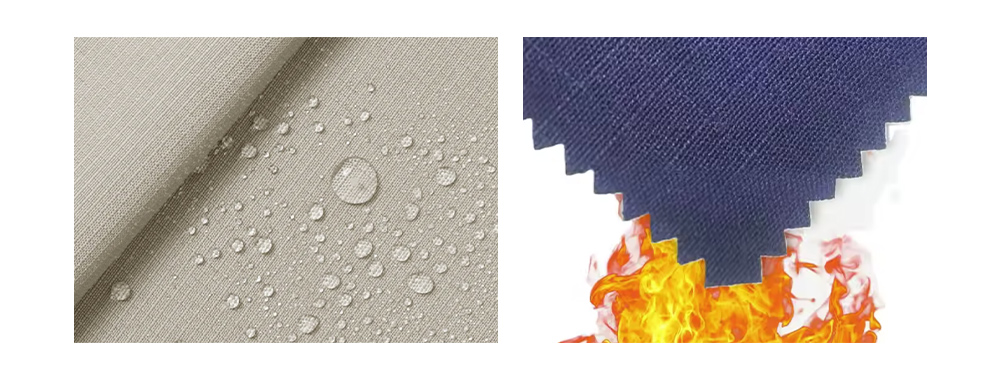
טיפול פני שטח מבוסס פלואורוקרבון גורם לטיפות מים להצטבר ולהתגלגל במקום לחדור. מתאים לתיקים חיצוניים הדורשים 'דחיית מים' ולא 'אטימות מלאה'.
סיבי ניילון מתכלים והופכים שבירים בחשיפה ממושכת לקרינת UV. חומרי גימור עמידים לקרינת UV מעכבים את הזדקנות הסיבים ומאריכים את חיי הבד - דבר שחשוב במיוחד עבור תיקי אחסון לקמפינג ותרמילי גב חיצוניים החשופים לאור שמש למשך תקופות ממושכות.
תואם לתקנים NFPA 701, CPAI-84 ותקני מעכבי בעירה אחרים. מתאים לתיקי בטיחות תעשייתיים, תיקי ציוד לכבאים ודרישות תעשייה מיוחדות אחרות.
באמצעות עיבוד לאחר מכן, בד עמיד בפני קרעים יכול להשיג לא רק עמידות מבנית לקרעים אלא גם יעדים פונקציונליים מסונכרנים - ובכך לענות טוב יותר על צרכי הלקוחות לבידול מוצרים.
א: לא בהכרח. כאשר חוט הבסיס וערך הדנייר של חוט החיזוק נשארים קבועים, מרווח רשת קטן יותר פירושו צפיפות חוטי חיזוק גבוהה יותר ועמידות טובה יותר לקרע. עם זאת, רשתות קטנות יותר מגבירות את מורכבות האריגה ואת העלות. הבחירה צריכה לאזן בין ביצועים, תחושת יד ועלות. התייחסות לתעשייה: תרמילים יומיומיים משתמשים בדרך כלל ברשתות של 7-10 מ"מ; מוצרים מקצועיים לחוץ ולמוצרים טקטיים משתמשים בדרך כלל ברשתות של 5 מ"מ.
א: ניילון מציע חוזק גבוה יותר, עמידות טובה יותר בפני שחיקה ומגע רך יותר - אידיאלי לתיקים חיצוניים וטקטיים ברמה בינונית-יקרה. פוליאסטר זול יותר, מתייבש מהר יותר ובעל עמידות טבעית לקרינת UV - אידיאלי לתרמילים יומיומיים ומוצרי קידום מכירות. אנו יכולים להמליץ על הפתרון האופטימלי בהתבסס על התקציב ושוק היעד שלכם.
א: אריגת ריפסטופ עצמה אינה מספקת אטימות למים. לביצועים עמידים למים, יש להוסיף ציפוי PU או למינציה TPU. לדוגמה, ניילון ריפסטופ 210D עם ציפוי PU בדרך כלל משיג לחץ הידרוסטטי של 5,000 מ"מ, מה שמאפשר לבד עצמו לעמוד בגשם בינוני עד כבד. עם זאת, למוצר מוגמר עמיד לחלוטין לגשם, נדרשת גם הדבקת תפרים כדי למנוע חדירת מים דרך חורי המחט.
א: מגוון לקוחות B2B הרלוונטי הוא רחב, כולל: מותגי ציוד חוץ, ספקי ציוד טקטי, חברות ציוד נסיעות, מותגי תיקי כלים, יצרני ציוד בטיחות תעשייתי, מותגי מוצרים לחיות מחמד וכל לקוח אחר הדורש שקיות אחסון עמידות בפני שחיקה וקריעה. לתעשיות שונות יש דרישות שונות לעמידות בפני קרעים, עמידות בפני מכחיש בד, ציפוי עמיד למים ומפרטי רשת. הערה חשובה אחת: מבנה עצירת קרעים יכול רק לעכב את התפשטות הקרע; הוא אינו שווה ערך לעמידות בפני נשיכה. יישומי מוצרים לחיות מחמד דורשים הערכה ממוקדת.
א: בד ריפוד סטנדרטי משלב חוטי חיזוק הן בכיווני השתי והן בכיווני הערב, ויוצר מבנה רשת לעמידות מאוזנת בפני קריעה. קיימים בדי ריפוד חד כיווניים זולים עם חיזוק בכיוון אחד בלבד, המציעים עמידות מוגבלת בפני קריעה המתאימה רק לתיקי אחסון קלים. עבור תרמילים, תיקי כלים ותיקי חוץ, מומלץ מאוד לחיזוק דו כיווני.
א: לא בהכרח. חוטי חיזוק עבים מדי גורמים לבליטות הבד, תחושת יד נוקשה, משקל מוגבר וקשיחות יתר של השקית. כלל אצבע מאוזן: ערך חוט חיזוק ≥ ערך בד הבסיס, בדרך כלל פי 1-2 מערך בד הבסיס לאיזון אופטימלי. עמידות לקריעה תלויה לא רק בערך בדנייר אלא גם במרווח הרשת, בחומר (ניילון/פוליאסטר) ובצפיפות האריגה.
א: הבדלים בתחושת היד נובעים משלושה גורמים עיקריים: (1) עובי חוט החיזוק - חוטים עבים יותר יוצרים בד נוקשה יותר; (2) גודל רשת - רשתות קטנות יותר עם יותר צמתים נצמדים מרגישות נוקשות יותר; (3) גימור / ציפוי - ציפויי PU/TPU מגבירים משמעותית את הנוקשות. תיקים קלים מתאימים לחוטי חיזוק עדינים עם רשתות קטנות; תיקי כלים כבדים ותיקי טקטיקה מתאימים לחוטי חיזוק עבים עם רשתות בינוניות.
א: שלוש בדיקות פשוטות באתר: (1) התבוננו במשטח הבד - האם יש לו דוגמת רשת אחידה? (2) מיששו את נקודות החיתוך - האם יש בליטות עבות יותר של חוטי חיזוק במעברי הרשת? (3) צרו קרע קטן - האם הקרע נעצר על ידי הרשת ואינו מתפשט?
הערך המרכזי של בד ריפסטופ טמון בשימוש בעיצוב מבני ולא רק ב"הוספת נפח ומשקל" כדי לפתור בעיות של קריעת שקיות. הרשת שנוצרת מחוטי חיזוק של עיוות וערב פועלת כ"קו בטיחות" בתוך הבד - מיירטת קרעים כשהם מופיעים ומכילה נזק לאזור הקטן ביותר האפשרי.
אם אתם מחפשים שותף אמין לייצור שקיות ריפסטופ, נשמח שתצרו איתנו קשר:
• בקשו כרטיסי דוגמיות בד ודפי פרמטרים טכניים בחינם
• ייעוץ בנוגע לפתרונות בד מותאמים אישית והצעות מחיר
• לתאם ביקורים במפעל ואישורי דוגמיות
| מְחַבֵּר | ||||||
|
אנא המשך לקרוא, להישאר מעודכן, להירשם, ואנו מזמינים אותך לספר לנו מה אתה חושב.




זכויות יוצרים
@2024 Synberry Bag & Package Products Co.,Ltd כל הזכויות שמורות
.
 רשת נתמכת
מפת אתר / בלוג / Xml / מדיניות פרטיות