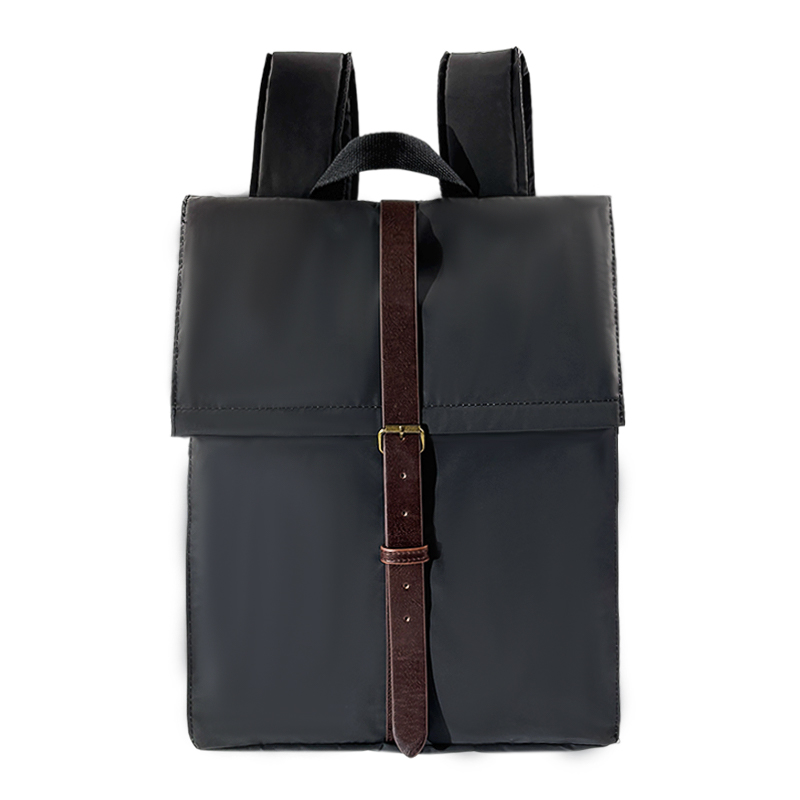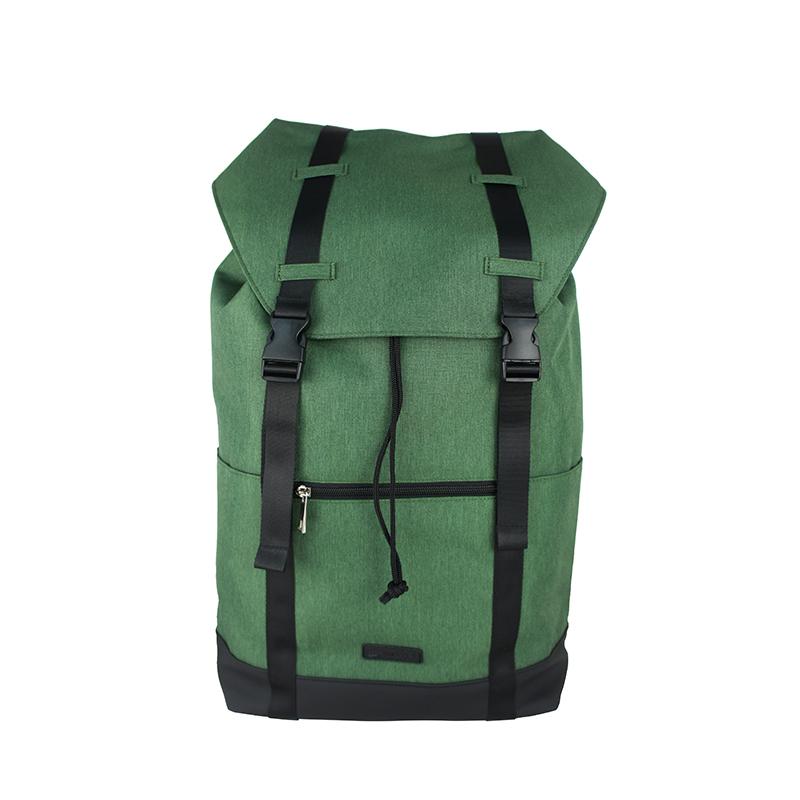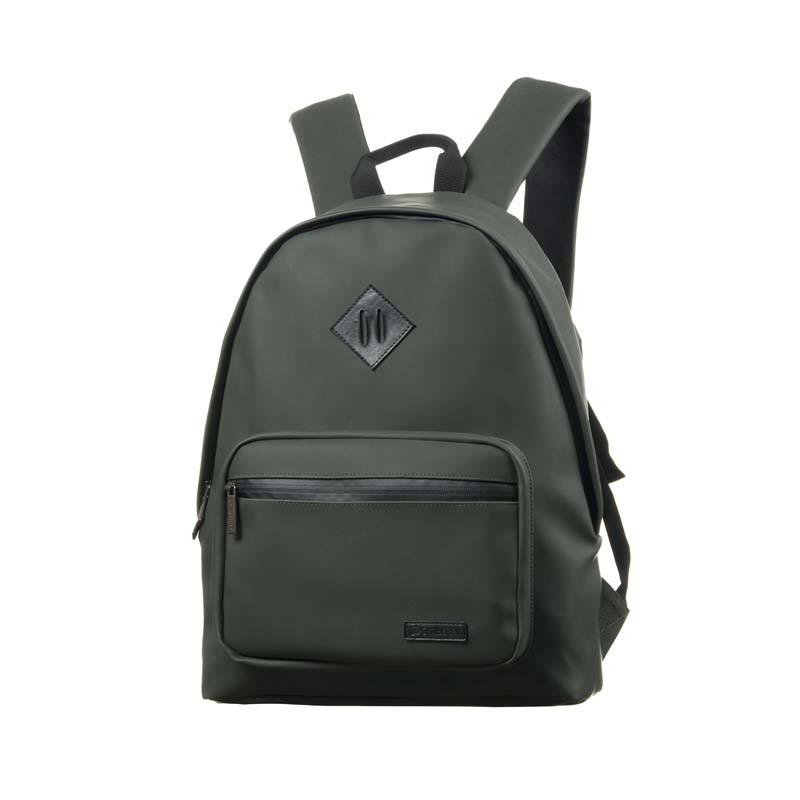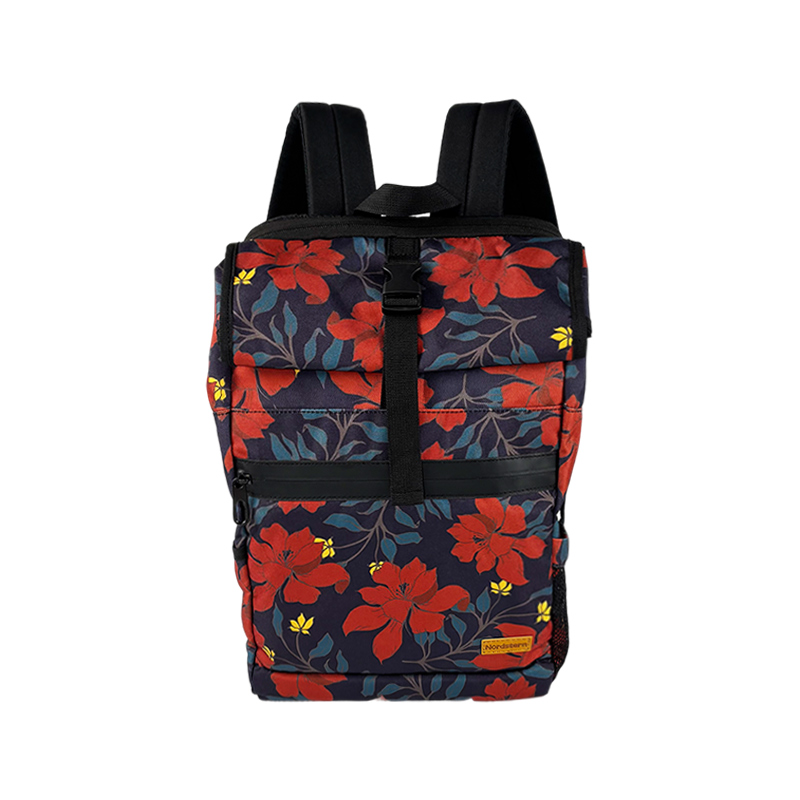


שירות התאמת המוצר המקצועי שלנו הופך את הרעיון שלך למציאות, ומספק חוויה חלקה מהרעיון ועד להצגת המוצר על המדף הקמעונאי


עם מפעלים בסין ובקמבודיה, יש לך את הגמישות לבחור את אתר הייצור המציע את הטבות התעריף המשתלמות ביותר בהתאם למצב הספציפי שלך.

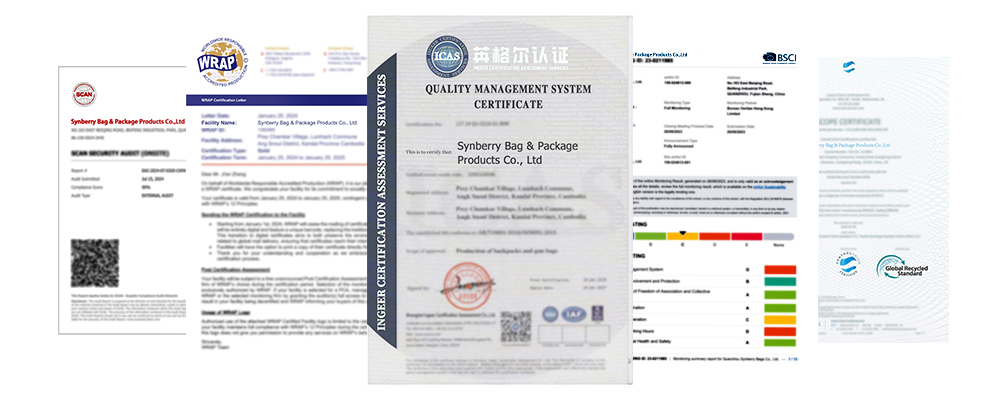
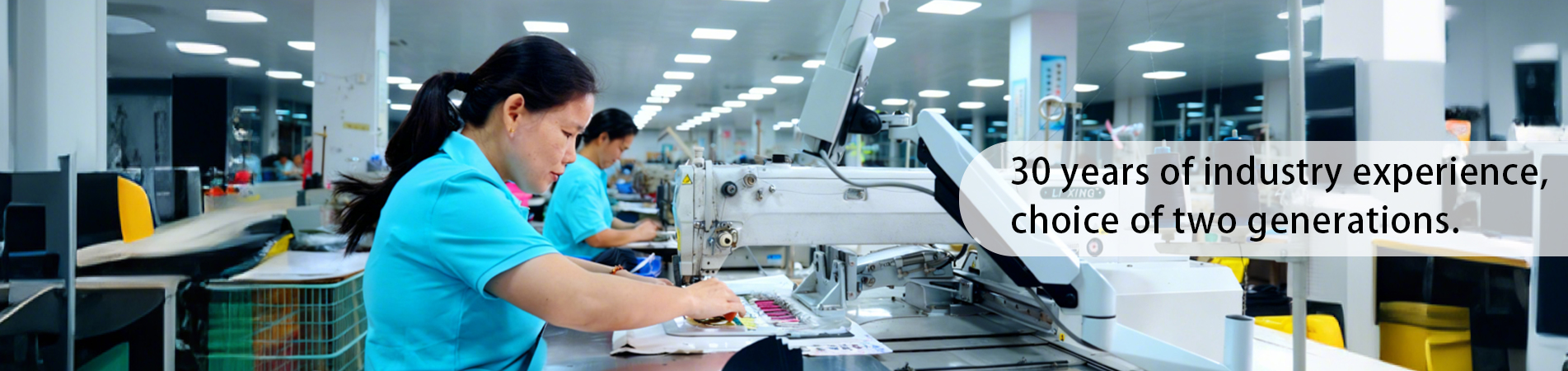
מה הפך את סינברי לבחירה של שני דורות? עם עקרונות איכות מוגדרים בבירור, תיעוד ורישומים מנוהלים היטב, והכי חשוב, ניתוח תהליכים מעמיק ובדיקה, אנו מסוגלים להבטיח איכות גבוהה עקבית.

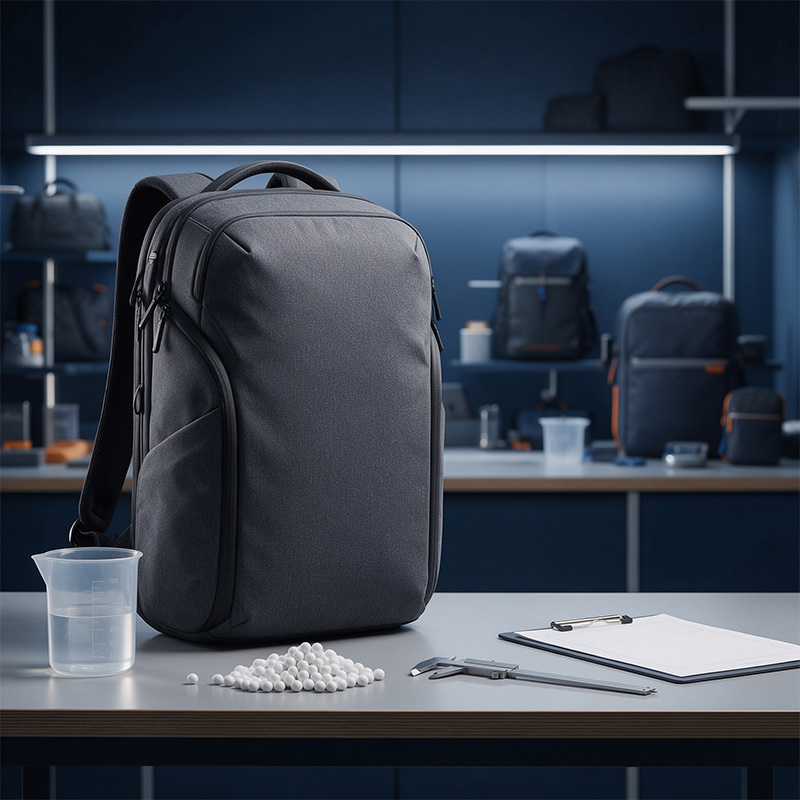
There are two widely used methods for measuring backpack capacity: geometric volume estimation and the ASTM F2153 fill test. During the design stage, the geometric formula (internal length × width × depth ÷ 1,000, multiplied by a pattern correction factor when necessary) can be used to estimate the maximum capacity. For sample approval and production capacity labeling, the unexpanded capacity measured using the ASTM F2153 fill test is generally used as the baseline. Geometric estimation is best suited to structured bags with regular shapes for preliminary space planning. Applying this method directly to sewn backpacks usually overestimates capacity. The fill test uses rigid plastic spheres with a diameter of 20 mm to fill all enclosed compartments; the spheres are then transferred to a calibrated measuring container to determine volume. The result can be used in purchase contracts, technical packs, inspection criteria, and product capacity labeling. For custom bag manufacturing, specifying the measurement method, included compartments, and tolerance alongside the capacity value helps align acceptance criteria between buyers and suppliers. Table of Contents Ⅰ. Why Backpacks with the Same Labeled Capacity Can Have Different Actual Volumes Ⅱ. Geometric Formula Estimation Ⅲ. ASTM F2153 Fill Test Ⅳ. Practical Recommendations for Backpack OEM Projects Ⅴ. Frequently Asked Questions (FAQ) Ⅵ. Conclusion Ⅰ. Why Backpacks with the Same Labeled Capacity Can Have Different Actual Volumes 1. Backpack Capacity Has No Globally Uniform Mandatory Labeling Standard Unlike shoe sizing or fabric weight, backpack capacity is not subject to a globally uniform mandatory labeling rule. Products labeled as 30 L may be measured using four common methods in the industry, producing different usable-volume results. Measurement method What is measured Typical result Notes Multiply external dimensions External length × width × height of the bag Likely to be overstated Counts fabric, foam, and back-panel structures as volume; unsuitable for labeled capacity. Main compartment only Largest enclosed main-compartment space Conservative Perceived usable space may exceed the labeled value, but the scope is limited and comparisons are less meaningful. Add all enclosed pockets Main compartment, zippered pockets, and covered enclosed pockets More comparable Closer to the logic of ASTM F2153; agree in advance whether open pockets are included. Promote expanded capacity Capacity with the roll-top or expansion zipper fully opened Represents maximum expanded state only Volume is lower in the normally closed state; some expanded bags may exceed airline carry-on limits. 2. Main Reasons for Differences in the Same Labeled Capacity For a daypack labeled 30 L, an external-dimension calculation includes space occupied by the back panel and shoulder-strap structure. Under the ASTM F2153 fill test, only enclosed compartments are counted; mesh water-bottle pockets and open front stash pockets are excluded. As a result, the unexpanded measured capacity may be only 24–25 L. Such differences are usually not manufacturing defects. They primarily result from different measurement methods and boundaries for what is included. 3. Capacity Must Be Matched to the Intended Use State Capacity can be reported as unexpanded capacity and expanded capacity. Unexpanded capacity refers to the bag in its normally closed, everyday-use configuration. Expanded capacity is the maximum volume available when a roll-top is fully opened or an expansion zipper is completely unzipped. A specification sheet that lists only one capacity value does not clearly identify the intended use state and makes inspection decisions more difficult. For roll-top bags and bags with expansion zippers, also verify the fully loaded external dimensions to determine whether the bag meets carry-on baggage size limits. Ⅱ. Geometric Formula Estimation 1. Basic Formula and Units A general geometric formula used in backpack OEM development is: Capacity (L) = Internal Length (cm) × Internal Width (cm) × Internal Depth (cm) ÷ 1,000 Example: With internal dimensions of 50 × 30 × 20 cm, the theoretical capacity is 50 × 30 × 20 ÷ 1,000 = 30 L. The formula uses centimeters and returns liters, based on 1 L = 1,000 cm³. For the North American market, capacity may also be listed in cubic inches; 1 L ≈ 61.024 cu in. 2. Appropriate Uses of the Geometric Formula • Reverse-engineering target dimensions during concept design: allocate internal usable dimensions based on the target capacity to support pattern and construction development. • Quickly estimating a capacity range during initial inquiries: when no physical sample is available, use external dimensions to make a preliminary assessment of the product category and support quotation and process evaluation. • Planning internal space before sampling: allocate space among the main compartment, laptop compartment, and front pockets, using the result as a theoretical upper-limit reference. 3. Why the Geometric Formula Can Be Inaccurate for Sewn Backpacks • The bag is not a perfect rectangular prism: daypacks that taper toward the top, roll-top bags, flap-top bags, and packs with curved suspension profiles have irregular shapes that cannot be accurately represented by a rectangular prism. • Fabric, foam, and suspension components reduce usable volume: laptop sleeves, back panels, and shoulder-strap anchor structures occupy space within the bag’s external profile. • Pocket-counting rules vary: external-dimension calculations may include side and front pockets, whereas standard fill testing counts enclosed compartments only and excludes open mesh pockets. • Seam allowances and lining thickness reduce usable space: sewing allowances, lining, and reinforcement materials reduce the effective internal volume. Conclusion: The geometric formula is a design-screening tool for estimating theoretical maximum volume; it should not be used directly as the labeled capacity of a sewn backpack. Results are more accurate for rectangular tote bags and simple travel duffels. For backpacks, technical outdoor packs, and styles with multiple complex compartments, capacity acceptance should be based on a fill test. 4. Early-Stage Estimation Before Sampling: Pattern Correction Factors During early development, before a physical sample is available, a pattern correction factor can help narrow the gap between theoretical and measured capacity. The adjusted formula is: Estimated capacity (L) ≈ [Internal length × internal width × internal depth (cm) ÷ 1,000] × K Select K according to the regularity of the bag’s shape. The ranges below are based on pattern databases and industry experience and are for design estimates only—not for official capacity labeling. The estimate must ultimately be calibrated against an ASTM fill test. Bag construction Reference correction factor Notes Boxy business backpack 0.80–0.85 Regular shape with high space efficiency. Standard daypack 0.75–0.80 Slightly contoured shape and space occupied by compartments. Outdoor hiking pack (internal aluminum-frame back panel) 0.70–0.75 Suspension system takes up more internal volume. Cylindrical duffel 0.72–0.78 Curved side walls reduce usable volume. Roll-top backpack 0.65–0.75 The rolled closure section is excluded from effective capacity. Tapered daypack, narrower at the top 0.70–0.78 The tapered cross-section makes the upper space less efficient. Example: A standard daypack with internal dimensions of 45 × 30 × 18 cm has a theoretical volume of 24.3 L. Using a correction factor of 0.78 gives an estimated capacity of approximately 19 L; subsequent fill testing will generally yield around 18–20 L. Important limitation: Correction factors are not universally transferable across factories or patterns. If the fabric weight or lining construction changes, re-test the bag and recalibrate K. In external technical communications, label this figure as a “design estimate,” not the contractual labeled capacity. Ⅲ. ASTM F2153 Fill Test 1. Standard Overview and Scope A commonly used industry standard for backpack capacity testing is ASTM F2153, “Standard Test Method for Measurement of Backpack Capacity.” It is a voluntary test method intended to establish consistent, comparable capacity-measurement rules among brands, factories, and inspection teams. Key principles: report both unexpanded and expanded capacity; count enclosed compartments only; exclude open mesh water-bottle pockets, open front stash pockets, and open compression pockets. The standard generally does not apply to small bags under 4 L. Crossbody mini bags, waist packs, and small organizers do not need to be labeled in liters; if a capacity value is provided, identify the alternative simplified test method used. 2. Standard Filling and Volume-Reading Procedure Step Procedure Control point 1. Prepare the test media Use uniform rigid plastic spheres with a diameter of 20 mm, commonly PP or PS. Foam beads and beans are for rough internal checks only; they compress or settle and have poor repeatability. Do not use them for official capacity labeling. 2. Fill all enclosed compartments Fill the main compartment and every zippered pocket. For roll-top bags, fill to the agreed number of rolls while ensuring normal closure. Close zippers after filling without pulling them taut. Do not omit any enclosed compartment. Exclude all open pockets. 3. Use a consistent settling procedure Gently shake the bag so the spheres settle naturally. A common procedure is three gentle shakes, approximately 10 seconds each. Do not deliberately press or compress the bag to inflate the reading. 4. Transfer the spheres to a calibrated measuring container Transfer all spheres into a graduated container calibrated by water-volume measurement. Gently agitate until the spheres settle, then record the volume. Large backpacks may be measured in multiple batches and the readings added together. Calibrate measuring equipment with water periodically and retain calibration records. 5. Repeat the test and average the results Conduct at least two independent tests. If the results differ by more than 1–2 L, filling or settling procedures may not have been consistent; repeat the test. Use the same spheres and measuring equipment for first-piece, in-line, and final inspections. 3. Limitations of the Standard and Its Relationship to Specification Sheets ASTM F2153 is voluntary and is not legally mandatory. Many retail product listings also omit the test method. The value of the test is that it allows the fill media, measuring equipment, included compartments, and tolerances to be defined in the specification sheet. If only a capacity number is listed without test details, results from different stages cannot be reliably compared. 4. When Full Laboratory Equipment Is Unavailable: Simplified Measurement Methods Not every inspection site has enough standard plastic spheres and calibrated measuring containers. A simplified method may be used during sampling, but the specification sheet must state that it differs from ASTM F2153. Scenario Simplified method Notes Compartments of 4 L or more Fill with 20 mm plastic spheres or uniform dry beans, then measure using a 1 L measuring cup and add the readings. Beans are for internal reference only; rigid plastic spheres are preferred for official capacity labeling. Compartments under 4 L Because small spheres stack with greater error, weigh the filling material first and convert to volume using a defined ratio if necessary. State in the documentation: “Not the ASTM F2153 standard procedure.” Curved or tapered bags Fill in vertical sections and add the readings from each section. A single rectangular-prism calculation will overestimate the capacity of tapered bags. Backpacks with multiple compartments Fill and measure each enclosed compartment separately, then total the results; list open pockets separately as excluded. Keep separate records to avoid confusion over what is included. Important: Capacity values obtained using different measurement methods should not be compared directly. Ⅳ. Practical Recommendations for Backpack OEM Projects 1. Recommended Capacity Fields for Specification Sheets To reduce the risk of a finished product’s capacity differing from expectations, include the following six items in the capacity section of the specification sheet: Field Recommended wording Purpose Measurement method “ASTM F2153 fill test using 20 mm PP spheres” / “Calculated from external dimensions; design reference only.” Identifies the method used to determine capacity. Unexpanded capacity Capacity in liters in the normally closed state. Matches typical use and product labeling. Expanded capacity Capacity in liters with the expansion zipper fully open or the roll-top fully unrolled. Distinguishes maximum expanded volume. Compartments included “Includes the main compartment and all zippered pockets; excludes mesh water-bottle pockets and open front stash pockets.” Removes ambiguity about which pockets count. Units List L and cu in together and specify the conversion. Supports reading preferences in different Western markets. Tolerance Agree on a tolerance by capacity range; use the same test method when judging compliance. Sets a reasonable acceptance range for inspection. 2. Example Wording for a Specification Sheet Capacity: 28 L unexpanded (approx. 1,709 cu in) / 34 L expanded (approx. 2,075 cu in), measured using the ASTM F2153 fill test with 20 mm PP plastic spheres. Includes the main compartment and all zippered pockets; excludes mesh water-bottle pockets and open front stash pockets. Tolerance: ±1.5 L. File the test record with the initial sample approval documents. 3. Suggested Tolerances and Contract Language Capacity range Suggested tolerance Application notes Under 20 L ±1 L Small bags are sensitive to compartment and opening design; test conditions must be controlled. 20–40 L ±1.5–2 L Common range for daypacks and commuter laptop backpacks. Over 40 L / large travel bags ±2–3 L Fill-test variation may be greater for large bags; additional repeats are recommended. Retail products with strict controls ±3%, or agree that “labeled capacity must not exceed measured unexpanded capacity.” Suitable for tightly controlled cross-border retail programs. Note: Tolerance criteria must correspond to the capacity test method. A tolerance established using external dimensions cannot be used to judge results from a fill test. 4. Common Capacity-Related Discrepancies in Custom Backpack Development Type of discrepancy Explanation Control measure Including open pockets in labeled capacity The counting method differs from ASTM and can produce inconsistent figures. Clearly list included and excluded pockets in the specification sheet. Advertising only expanded capacity Does not reflect volume in the product’s normally closed state. Provide both unexpanded and expanded capacity. Using external dimensions directly for sewn backpacks Foam, back panels, and lining take up space, so the calculated value is high. Use fill testing as the basis for labeled capacity; use external dimensions only as a supplementary reference. Using one capacity value for all sizes of a style Pattern and suspension structures change by size, affecting volume. Test each size independently. Testing only the first sample, with no production recheck Pattern adjustments, lining changes, and pocket revisions can change capacity. Test the approved reference sample and production trial units. Mixing metric and imperial units without labels Can lead to misinterpretation of readings. List both L and cu in in technical documents, with the primary unit suited to the target market. 5. Key Points When Comparing Multiple Samples Two products labeled with the same capacity may not perform equally in actual loading. Compare external dimensions, the main compartment’s internal usable dimensions, opening design, and photos of the bag when loaded. Even when both are labeled 30 L, a boxy pack and a tapered pack may accommodate different shapes of items. For travel backpacks and school backpacks, capacity is only one consideration. Flap-top designs are better suited to flat items, while top-loading roll-top bags offer good compression but can make items deep inside the bag harder to access. For a more complete assessment, include capacity, main-compartment internal dimensions, opening type, and fully loaded external dimensions in the specification sheet. 6. When to Conduct Capacity Tests Lock in the capacity baseline during initial sample approval. Once the first sample is complete, test capacity using the agreed method. After the parameters are approved, record them in the technical pack and purchasing documents before starting mass production. During inspection, use the same sphere specifications, measuring equipment, and settling procedure as for the approved sample, and assess the results against the agreed tolerance. 7. Capacity Records and Compliance Documentation Capacity testing is a technical specification activity and is separate from chemical testing of materials. Nevertheless, related records should be archived together for easy reference. If a product is labeled as using recycled fabric, the material claims should align with applicable GRS, GOTS, or OEKO-TEX documentation. Children’s backpacks sold in the United States must also meet applicable CPSIA requirements. A substantial discrepancy between labeled and measured capacity may create a risk of misleading advertising in the US and European markets. Store capacity test records and compliance certificates in the technical pack so they can be retrieved for customer factory audits and marketplace reviews. Ⅴ. Frequently Asked Questions (FAQ) Q1: Is backpack capacity accurately measured by multiplying length × width × height and dividing by 1,000? This formula estimates only the theoretical upper limit. It counts fabric, foam, and back-panel structures as volume and therefore generally overestimates usable space in sewn backpacks. The discrepancy is smaller for rectangular tote bags and simple travel duffels. For backpacks, outdoor packs, and styles with multiple compartments, capacity acceptance should be based on the ASTM F2153 fill test. A pattern correction factor can support early sampling estimates, but the result is for internal reference only and must not be used as the official labeled capacity. Q2: What is ASTM F2153? Are factories required to use it? ASTM F2153 is a voluntary test method for measuring backpack capacity; it is not legally mandatory. The core procedure is to fill all enclosed compartments with 20 mm rigid plastic spheres, transfer the spheres to a calibrated measuring container, and record both unexpanded and expanded capacity. Open water-bottle pockets and open stash pockets are excluded. The buyer and supplier should agree on whether to use the method in the technical documentation; once agreed, it becomes the basis for acceptance. Q3: Why does a factory label a backpack as 30 L when the fill-test result is only 25 L? This is usually due to differences in measurement methods—for example, using external dimensions or including open pockets in the calculation. A difference of around 20% between a daypack’s labeled capacity and its ASTM fill-test result is not unusual in the industry. Buyers and suppliers can establish a consistent basis for acceptance by agreeing in advance on the test method, pocket-inclusion rules, and tolerance range in the specification sheet. Q4: How should tolerances be set in a specification sheet, and which units should be used? For bags under 20 L, a tolerance of ±1 L is suggested; for 20–40 L, ±1.5–2 L; and for large bags over 40 L, ±2–3 L. For tightly controlled retail programs, the tolerance can be narrowed to ±3%, or the parties can agree that “the labeled capacity must not exceed the measured unexpanded capacity.” Use cubic inches (cu in) alongside liters for North America, while liters are generally preferred in Europe. Conversion: 1 L ≈ 61.024 cu in. Q5: How should capacity be tested for small bags under 4 L, waist packs, and organizers? ASTM F2153 generally does not apply to bags under 4 L. A simplified method can use a calibrated measuring cup, uniform dry beans, or a weight-to-volume conversion. The specification sheet must state that the method is “not the ASTM F2153 standard procedure.” Small spheres can stack inconsistently in small compartments, so external capacity claims for small bags should be made cautiously. Q6: Can rice or beans replace standard plastic spheres? They may be used for rough internal checks, but capacity figures used in contracts, specification sheets, or product labeling should not be based on rice or beans. Grains settle under pressure, and results vary between operators and batches, making repeatability poor. For formal testing, use 20 mm rigid PP/PS spheres and calibrated measuring equipment. Q7: For a roll-top backpack, how many rolls count as the unexpanded state under ASTM F2153? ASTM F2153 does not mandate a specific number of roll-top folds, which can lead to disagreement for this style. The buyer and supplier should agree in writing in the technical pack on the number of folds used for normal closure (commonly 2–3 rolls in the industry). Fill the bag to the agreed number of rolls and confirm that it closes normally without fabric tension; record this as the unexpanded capacity. The reading with the roll-top fully unrolled is the expanded capacity. Ⅵ. Conclusion From using geometric estimates to support early pattern planning, to determining labeled capacity through ASTM F2153 fill testing, and then specifying the test method, included compartments, and tolerances in clear technical terms, a verifiable capacity-assessment system is central to bag capacity management. Consistent criteria help project stakeholders avoid misunderstandings about specifications. As a professional bag manufacturer, we can support capacity-related technical requirements and help align project specifications with the agreed standards. Please contact us if you need assistance. Author
ראה עוד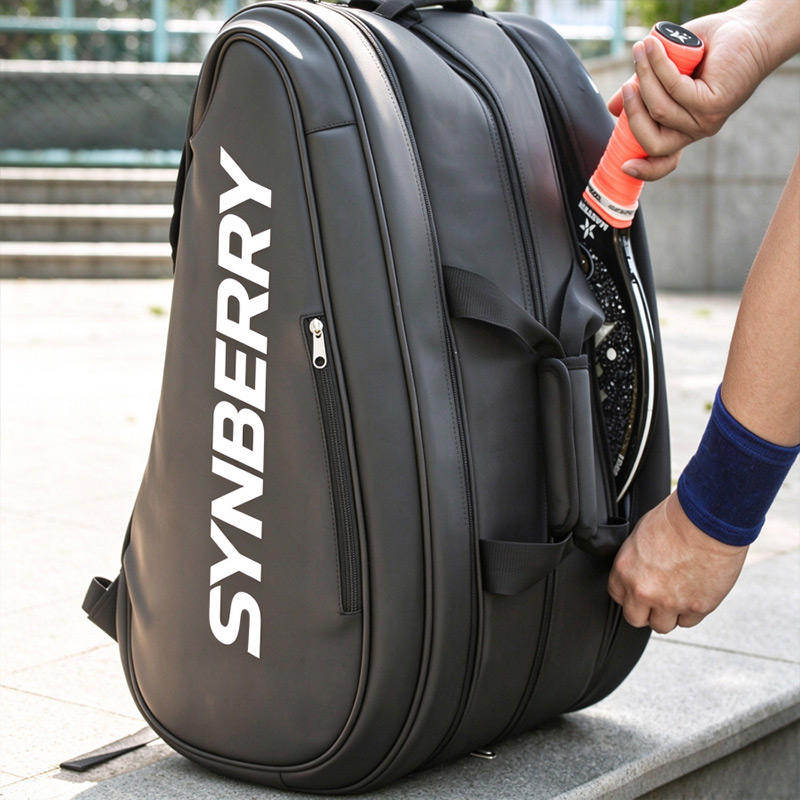
תיק פיקלבול איכותי צריך לעמוד בארבעה סטנדרטים מרכזיים: סידור תאים שתוכנן מדעית, מערכת נשיאה נוחה, איכות עבודה גבוהה וחומרים עמידים ועמידים במים. רק כאשר כל ארבעת האלמנטים משולבים, תיק פיקלבול באמת יכול להיחשב טוב.תוֹכֶן הָעִניָנִים:עיצוב תא מדעימערכת נשיאה נוחהאומנות איכותיתחומרים עמידים ועמידים במיםהמלצות להתאמה אישית עבור מותגיםשאלות נפוצות על התאמה אישית של תיקי Pickleballמַסְקָנָה 1. עיצוב תא מדעיפני מחבט פיקלבול עשויים בעיקר מחומרים מרוכבים מסיבי פחמן או פיברגלס, אשר רגישים ללחץ, שריטות וחשיפה ממושכת לטמפרטורות גבוהות ולאור שמש ישיר. לכן, תא ייעודי למחבט הוא מאפיין חיוני של תיק פיקלבול טוב.באופן ספציפי, תא משוטים מצוין צריך לכלול את התכונות הבאות:תא משוט מעובה ומבודד: תא המשוט הייעודי צריך לכלול שכבת ריפוד מעובה מ-EVA או כותנה פנינה כדי לספוג פגיעות בעת נפילת או סחיטת התיק. בנוסף, ריפוד בידוד תרמי של נייר אלומיניום יכול לעמוד ביעילות בטמפרטורות חיצוניות גבוהות ולסייע במניעת עיוות פני המשוט הנגרם מחשיפה ממושכת לאור שמש ישיר.תא ראשי בעל קיבולת גדולה: התא הראשי צריך לספק מספיק מקום כדי להכיל את כל הציוד החיוני הדרוש לאימונים או תחרויות יומיומיות, כגון בגדים, מגבות, בקבוקי מים ופריטים אחרים.כיס כדורים לגישה מהירה: הוסיפו תא רשת או אלסטי ייעודי בתוך התא הראשי לאחסון כדורי חמוץ. כיס הכדורים הנפרד והגישה המהירה שומר על כדורים מופרדים פיזית מהבגדים, ועוזר לשמור על ניקיון וארגון הציוד. זה גם מאפשר לשחקנים גישה מהירה לכדורים רזרביים במהלך חימום או בין משחקים מבלי לחפש בכל התא הראשי, מה שמשפר את היעילות הכוללת ואת חוויית המשתמש.תא נפרד ומאוורר לנעליים: מבודד מהתא הראשי, מונע נעליים רטובות או מלוכלכות מלכלך את הכדורים והבגדים תוך כדי שהוא מסייע בהפחתת ריחות לא נעימים. זהו מאפיין מפתח המבדיל תיק מקצועי לנעליים מתיק ספורט רגיל.כיסים קטנים מרובים: נועדו לאחסון פריטים אישיים ואביזרים כגון טלפונים ניידים, מפתחות, ידיות אחיזה, ציוד מגן ומגבות.כיס חפצי ערך נסתר: כולל פנים רך ומרפד זמש לאחסון בטוח של חפצי ערך הרגישים לשריטות. 2. מערכת נשיאה נוחהתיקי פיקלבול מגיעים בדרך כלל בשלושה סגנונות נשיאה: תרמילים, תיקי כתף/crossbody, ותיקים נפתחים שניתן לשאת ביד או ללבוש כתרמילים. תרמיל גב: אידיאלי לנשיאת מספר משוטים וסט ציוד מלא, המאפיינים העיקריים שלו טמונים בעיצוב רצועות הכתף והפאנל האחורי. רצועות הכתף של תרמיל גב איכותי צריכות להיות רחבות ועבות, ממולאות בקצף בצפיפות גבוהה, ומכוסות בבד רשת נושם כדי לפזר לחץ על הכתפיים ולקדם זרימת אוויר, למנוע הצטברות חום מוגזמת וסימני לחץ במהלך שימוש ממושך. פאנל הגב צריך לשלב שכבת תמיכה מכותנת פנינה EVA או PE כדי למנוע ממנו להתעוות או להתמוטט תחת עומסים כבדים. הוא צריך גם להתאים לעקמומיות הטבעית של עמוד השדרה, ולספק תמיכה יציבה ואמינה.תיקי כתף או תיקי צד: תיקים אלה שמים דגש על קלות משקל, נוחות וגמישות, מה שהופך אותם לאידיאליים לאימונים קצרים או למצבים בהם נדרשת רק כמות קטנה של ציוד. רצועת הכתף צריכה להיות רחבה מספיק כדי למנוע החלקה, בעוד שכרית הכתף צריכה לשלב שכבת ריפוד כדי להפחית את העומס של נשיאת משקל על כתף אחת. רצועת כתף מתכווננת מאפשרת למשתמשים בגבהים שונים למצוא התאמה נוחה.תיק גב ותיק גב ניתנים להמרה: עבור משתמשים המעריכים גמישות, תיק גב ותיק גב ניתנים להמרה מציעים גמישות רבה יותר. תיק מסוג זה כולל בדרך כלל ידית עליונה מחוזקת לנשיאה נוחה למרחקים קצרים או להנחת התיק ברכב, כמו גם ידית צד מרופדת שנועדה להפחית את הלחץ על היד ולמנוע אי נוחות בעת נשיאת התיק.כאשר מערכת הנשיאה מומרת למצב תרמיל גב, רצועות הכתף הנסתרות צריכות להיות קלות לשליפה ולחיזוק מאובטח, מה שמבטיח חווית נשיאה חלקה בשתי התצורות. ללא קשר לסגנון הנבחר, המטרה הסופית של מערכת הנשיאה היא להבטיח ששחקנים ירגישו בנוח וברוגע בדרכם אל המגרש וממנו. 3. אומנות איכותיתפרטי האומנות קובעים ישירות את חיי השירות ואת המראה והתחושה הכלליים של שקית חמוצים.תפרים: התפרים חייבים להיות חזקים ועמידים, עם מרווח תפרים אחיד ותפרים מסודרים ואחידים. נקודות לחץ מרכזיות, כגון נקודות חיבור לרצועות כתף, בסיסי ידיות וקצוות רוכסנים, יש לחזק בתפרים כפולים או אפילו משולשים, בשילוב עם מוט-נעץ חיזוק לשיפור עמידות בפני קרעים ולמניעת התפרים מלהתפצל או להישבר תחת עומסים כבדים ממושכים.חומרה: בחירת החומרה היא קריטית. רוכסנים צריכים להיות חלקים, עמידים ולהציע רמה מסוימת של עמידות למים, רצוי ממותגים בעלי מוניטין כמו YKK או SBS. משיכות הרוכסן צריכות להיות מתוכננות לאחיזה ותפעול קלים, גם כאשר לובשים כפפות ספורט.אבזמים: יש לבצע בדיקות עייפות על אבזמים כדי להבטיח שהם עמידים בפני סדקים או עיוות גם לאחר הידוק ושחרור חוזרים. בנוסף, יש לסיים את קצוות הבד בצורה מסודרת, ללא חוטים רופפים, והתיק צריך לשמור על צורה מובנית ומוגדרת היטב מבלי לקרוס בקלות, גם כשהוא ריק. פרטים אלה משקפים איכות מקצועית ותשומת לב לפרטים. 4. חומרים עמידים ועמידים במיםפיקלבול משוחק לעתים קרובות בחוץ, שם תיקים עלולים להיחשף לגשם פתאומי או טל בוקר על המגרש. לכן, עמידות הבד למים משמשת כקו ההגנה הראשון בהגנה על הציוד שבפנים. 4.1 בד עיקרי: ניילון לעומת פוליאסטרשקית פיקלבול איכותית צריכה להיות עשויה מניילון בצפיפות גבוהה (כגון 600D ומעלה) או מבד פוליאסטר. חומרים אלה מציעים עמידות מצוינת בפני שחיקה ועמידות בפני קרעים, יחד עם תכונות דוחות מים טובות.ניילון: בהשוואה לשני חומרים נפוצים אלה, ניילון בולט בזכות יחס חוזק-משקל גבוה יותר ועמידות מעולה בפני שחיקה, מה שהופך אותו לבחירה מועדפת עבור שקיות פיקלבול פרימיום. יש לו משטח חלק ומגע רך, אך הוא מגיע במחיר גבוה יחסית.פוליאסטר: פוליאסטר מציע עמידות טובה יותר לקרינת UV ושמירת צבע, מה שהופך אותו לפחות נוטה לדהייה או להתקלקלות לאחר חשיפה ממושכת לאור שמש ישיר. הוא גם זול יותר, מה שהופך אותו לבחירה משתלמת. 4.2 ציפויים עמידים למיםבסיס בד איכותי לבדו אינו מספיק כדי לעמוד בתנאי מזג אוויר קשים. טיפול איטום פני השטח הוא הגורם המרכזי שקובע את ביצועי דחיית המים של תיק. רוב שקיות החמוץ המקצועיות בשוק כיום משתמשות באחד משלושה טיפולים עיקריים: ציפוי DWR (דוחה מים עמיד), ציפוי PU או ציפוי TPU.דחיית מים באמצעות DWR: ציפוי DWR יוצר אפקט של עלה לוטוס על פני השטח של התיק, וגורם לטיפות מים להצטבר ולהתגלגל במהירות במקום לחדור לבד. זה מונע ביעילות ממי גשמים לספוג את הציוד שבפנים.ציפוי PU עמיד למים: ציפוי PU מיושם בדרך כלל על הצד הפנימי של הבד, ויוצר קרום צפוף לאטום למים. הוא לא רק מונע חדירת לחות חיצונית אלא גם משפר את המבנה הכללי של הבד ואת עמידותו בפני קרעים.ציפוי TPU עמיד למים: כאלסטומר פוליאוריטן תרמופלסטי, ציפוי TPU בדרך כלל מודבק על הצד הפנימי של הבד כשכבה דקה או משולב כשכבה נפרדת. בהשוואה לציפוי PU, TPU מציע עמידות מעולה להידרוליזה וגמישות בטמפרטורות נמוכות. אפילו בסביבות קרות ולחות, הוא פחות נוטה להתקלקלות, להתקשות או לסדקים, מה שעוזר לשמור על ביצועי עמידות המים של התיק לאורך זמן. 5. המלצות להתאמה אישית עבור מותגיםאם אתם מתכננים לפתח שקית חמוצים תחת המותג שלכם, ההמלצות הבאות, בשלושה תחומים מרכזיים, יכולות לעזור לכם למצוא את האיזון הנכון בין ביצועי המוצר, העלות וקהל היעד. 5.1 המלצות עיקריות לבחירת בדיםהבד קובע את המראה והתחושה של שקית פיפלבול, את העמידות שלה ואת פוטנציאל התמחור שלה. הטבלה הבאה מספקת המלצות לבחירת בדים על סמך מיקום המוצר.אפשרות בדמפרטים נפוציםחוזק / עמידות בפני שחיקהעמידות בפני UVעֲלוּתמיקום מומלץפּוֹלִיאֶסטֶר600D / 900D★★★☆★★★★☆ (עמיד בפני דהייה)לְמַתֵןדגמים בעלי אוריינטציה לערך, דגמים ברמת כניסה ומוצרים לחשיפה ממושכת לשמש בחוץניילוןניילון בליסטי 600D / 1680D★★★★★ (חזק וקל משקל)★★★ (מומלץ טיפול UV)בינוני עד גבוהדגמים בינוניים עד יוקרתיים ותיקים לשחקנים מקצועייםניילון + ריפסטופ / אקארדניילון משובץ, מרקם חלת דבש★★★★★★★★גָבוֹהַדגמים פרימיום ומותגי מעצביםבד רשת מרוכב (PVC/EVA)500D–1000D★★★★☆★★★☆לְמַתֵןדגמים ותיקים משופרים עמידים למים לשימוש חוף או רב תכליתישיקולי בחירה מרכזיים:עבור דגמים במכירות בנפח גבוה, עדיפו פוליאסטר 600D. הוא מציע עלויות ניתנות לניהול ועמידות צבע טובה, מה שהופך אותו לבחירה פופולרית עבור מוצרים בסיסיים ברמת כניסה.עבור דגמים ברמה בינונית-יקרה, שקלו ניילון בליסטי 1000D או 1680D. חוזקו הגבוה ועמידותו הטובה למים הופכים אותו מתאים לשוק הבינוני-יוקרתי.אפשרויות ידידותיות לסביבה: שקלו ניילון ממוחזר, כגון ECONYL®, או פוליאסטר ממוחזר (RPET), ותמכו באישורים מוכרים בינלאומיים כגון GRS כדי לענות על הביקוש הגובר למוצרים בני קיימא בשווקים האירופיים והצפון אמריקאים. 5.2 המלצות לבחירת קיבולתגדול יותר לא תמיד טוב יותר כשמדובר בקיבולת. הגודל האידיאלי צריך להתאים לתרחישי המשחק ולהרגלי הנשיאה של משתמשי היעד. הטבלה הבאה מספקת המלצות לתכנון קיבולת לפיתוח שקיות פיקלבול מקוריות.קטגוריית קיבולתקיבולת משוטתצורה אופייניתקהל היעדמידות ייחוס (אורך × רוחב × גובה)דגם קל משקל1-2 משוטיםתא ראשי + כיס לכדור + מחזיק בקבוק מים; בדרך כלל אין תא לנעלייםשחקנים מזדמנים ואנשים שמשלבים הליכה עם משחק פיקלבולכ-45 × 20 × 25 ס"מדגם סטנדרטי (מומלץ)2–4 משוטיםתא מרופד לנעלי ספורט + תא ראשי + תא נפרד לנעליים + כיס לכדור + תאים לפריטים קטניםחברי מועדון ליבה ושחקני זוגות קבועיםכ-50 × 25 × 32 ס"מדגם מקצועי בעל קיבולת גדולה4–6 משוטיםתא מרופד למשוט + תא ראשי גדול + תא נפרד לנעליים + כיס לכדור + נרתיק עמיד למיםשחקנים ומאמנים מקצועייםכ-55 × 30 × 38 ס"מדוגמנית טיולים / צוות6 משוטים או יותרתיק בסגנון מזוודה מתגלגלת או תרמיל גב גדול במיוחד עם מערכות חיבור חיצוניותרכישות בכמות גדולה של קבוצות ושחקנים שנוסעים לעתים קרובותכ-60 × 35 × 45 ס"משיקולי בחירה מרכזיים:הדגם הסטנדרטי הוא הפתרון המושלם. תיק המכיל 2-4 מחבטים יכול לשרת מגוון רחב של שחקנים. מותגים המפתחים קו מוצרים חדש של שקיות פיקלבול צריכים לשקול להפוך את התיק הזה לדגם הדגל שלהם.דגמים קלים אידיאליים לרכישת לקוחות או למתנות קידום מכירות. הבנייה הפשוטה שלהם והעלות הנמוכה שלהם הופכים אותם למתאימים כתיקים נלווים לסטים מתחילים או כמתנות זיכרון לאירועי מועדון, מה שמוריד את מחסום הכניסה לשחקנים חדשים.דגמים מקצועיים בעלי קיבולת גדולה צריכים לתת עדיפות ליעילות אחסון ולא רק להוספת מקום נוסף. כדי להתמודד עם האתגר של ארגון ציוד נרחב שנשאים מאמנים ושחקנים מקצועיים, שקלו מחיצות נשלפות או תאים פנימיים מודולריים. תכונות אלו מאפשרות למשתמשים להכיל שילובים שונים של מחבטים ובגדים תוך שמירה על ארגון פנים המגרש.דגמי נסיעות/צוות צריכים לתת עדיפות לתכונות ידידותיות לנסיעות. בנוסף לקיבולת גדולה במיוחד, עליהם לכלול רצועת מטען סטנדרטית ורגליים מגן עמידות בפני שחיקה. תכונות אלו מסייעות לאבטח את תיק החמוצים למזוודה במהלך הסעות משדה התעופה וטיולים למרחקים ארוכים, תוך הפחתת הבלאי בתחתית התיק. 6. שאלות נפוצות: שאלות נפוצות על התאמה אישית של תיקי Pickleball שאלה 1: מה ההבדל בין שק פיקלבול לתיק טניס? האם ניתן להשתמש ביניהם לסירוגין?ניתן להשתמש בהם לסירוגין באופן זמני, אך זה לא מומלץ. מחבטי פיקלבול (באורך של כ-40 ס"מ) קצרים יותר ממחבטי טניס, כך שתאים למחבטי טניס עלולים להשאיר יותר מדי מקום ריק, מה שמאפשר למחבטים לזוז ולהתנגש בפריטים אחרים. תיקי פיקלבול כוללים בדרך כלל גם כיסים ייעודיים לכדורים, מכיוון שכדורי פיקלבול מפלסטיק קשיח עלולים להינזק מלחץ מוגזם, כמו גם תאי נעליים ותאי אחסון נוספים לפריטים קטנים. אם אתם משחקים רק פיקלבול, תיק פיקלבול ייעודי מציע חוויית משתמש טובה משמעותית. שאלה 2: כיצד אוכל לדעת את דירוג העמידות למים של תיק? האם דחיית מים אומרת שהוא עמיד למים?לא. דחיית המים שמספק ציפוי DWR מספיקה בדרך כלל לגשם קל והתזות, אך אזורי הרוכסן עדיין יכולים לאפשר למים לחלחל. להגנה מקיפה יותר מפני מים, התיק זקוק לשילוב של בד מצופה PU/TPU או בד אטום למים למינציה ורוכסנים אטומים למים, כמו אלה בסדרת הרוכסנים העמידים למים של YKK. בעת הקנייה, בדקו האם מפרט המוצר מזכיר גם ציפוי בד וגם רוכסנים אטומים למים. שאלה 3: מדוע תא של מחבט פיקלבול זקוק לבידוד תרמי? האם חום הקיץ באמת יכול לגרום נזק למחבט?כן. מחבטים לחמוציות עשויים מסיבי פחמן או פיברגלס וליבות חלת דבש מפוליפרופילן עלולים לחוות ריכוך של הפנים, התפרקות או שינויים בתחושת המשחק לאחר חשיפה ממושכת לטמפרטורות גבוהות ולאור שמש ישיר. בטנת בידוד תרמי מרדיד אלומיניום יכולה להפחית משמעותית את הטמפרטורה בתוך התיק, מה שהופך אותו לאחד המאפיינים המרכזיים המבדילים שק מקצועי לחמוציות מדגם זול. ש 4: מהי כמות ההזמנה המינימלית (MOQ) האופיינית וזמן ההובלה עבור שקיות חמוצים בהתאמה אישית?מספר ה-MOQ הסטנדרטי של SYNBERRY הוא כ-500 יחידות. זמן ההובלה לדיגום תלוי במורכבות העיצוב והוא בדרך כלל 2-3 שבועות. זמן ההובלה לייצור המוני משתנה בהתאם לכמות ההזמנה ומורכבות הייצור. יש לאפשר זמן נוסף לתהליכים מיוחדים, כגון הדפסה על כל המשטח, פסים מחזירי אור ואבזמים יצוקים בהתאמה אישית. שאלה 5: האם כדאי לי לבחור ניילון או פוליאסטר לשקית פיקלבול? איזה מהם עמיד יותר?שני החומרים עמידים, אך לכל אחד מהם יתרונות שונים. ניילון מספק חוזק רב יותר ומגע טוב יותר עם היד, מה שהופך אותו למתאים למוצרים ברמה בינונית-יקרה. פוליאסטר מציע עמידות טובה יותר לקרינת UV, שימור צבע מעולה ומחיר נמוך יותר, מה שהופך אותו לאידיאלי עבור דגמים חסכוניים המיועדים לחשיפה ממושכת לשמש בחוץ. בחרו בניילון אם התקציב שלכם מאפשר זאת; בחרו בפוליאסטר אם תמורה למחיר היא בראש סדר העדיפויות. 7. סיכוםפיקלבול חווה צמיחה מדהימה בשיעור ההשתתפות העולמי, ותיקי פיקלבול מתפתחים מציוד נלווה לקטגוריית מוצרים ייעודית. עבור מותגי תיקי ספורט, זוהי לא רק הזדמנות להיכנס לשוק מתפתח, אלא גם חלון קריטי ליצירת הכרה מקצועית במותג באמצעות פיתוח מוצרים מעודן יותר.תיק פיקלבול מעולה צריך להיות יותר מאוסף של תאי אחסון. הוא צריך לשקף הבנה מעמיקה של צרכי המשתמש הסופי ולספק מענה מתחשב לציפיותיהם. החל מטכנולוגיית בידוד תרמי המגנה על מחבטים יקרים, דרך סידור תאים המשפר את יעילות הגישה, ועד חומרים עמידים בפני מזג אוויר המיועדים לתנאי חוץ, כל פרט מדגים כבוד לחוויית הספורט של השחקן.מאמר זה נכתב מנקודת מבטו של יצרן שקיות חמוצים, במטרה לספק למותגים המפתחים קווי מוצרים של שקיות חמוצים מדריך מקיף, החל מהבנת צרכי הלקוחות ועד להכנסת המוצרים לייצור. מְחַבֵּר
ראה עוד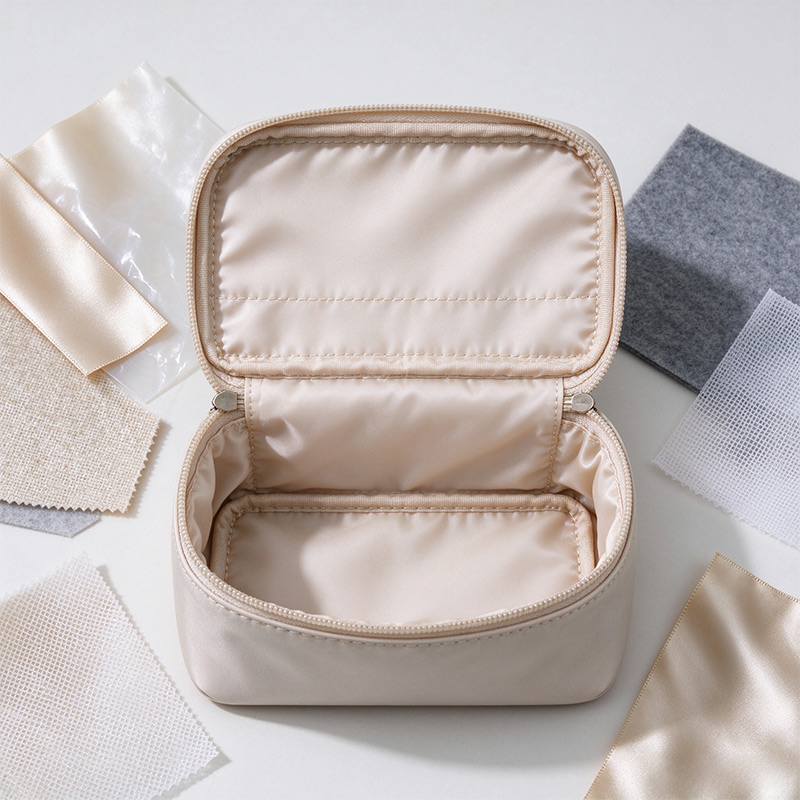
חומרי הבטנה הנפוצים ביותר לשקיות איפור הם בדים מבוססי פוליאסטר, במיוחד אריגה רגילה מפוליאסטר, טפטה מפוליאסטר, פונגי ופוליאסטר מצופה. בנוסף, ניילון, TPU, PEVA, PVC ו-EVA משמשים לעתים קרובות למוצרים עם דרישות גבוהות של עמידות למים ודליפות; פוליאסטר ממוחזר RPET וניילון ממוחזר מתאימים לקווי מותגים בני קיימא; מיקרופייבר, זמש מלאכותי, קטיפה וסאטן מתאימים לתחושת מגע יוקרתית ולמיקום מתנות. ניתן להשתמש בכותנה, קנבס, תערובות כותנה-פוליאסטר ותערובות כותנה-פשתן גם לבטנת תיקי איפור, במיוחד עבור תיקי איפור מקנבס, סגנון טבעי, מיקום ידידותי לסביבה או מוצרים הדורשים מרקם רקמה. עם זאת, ביצועי העמידות למים, כתמים וקלות הניקוי שלהם שונים בדרך כלל מבדים סינתטיים מצופים ויש להעריך אותם על סמך תרחישי שימוש ספציפיים. תוֹכֶן הָעִניָנִים:• בחירה לפי דרישות פונקציונליות• פרמטרים טכניים מרכזיים לבחירת בטנה• תהליכי התאמה אישית של בטנה ושיטות הצגת לוגו• כיצד אנו מבטיחים בקרת איכות מלאה של חומרי גלם עבור מותגים?• שאלות נפוצות• סיכום Ⅰ. בחירה לפי דרישות פונקציונליות וניתוח של בדים נפוציםבחירת בטנת תיקי איפור סובבת בדרך כלל סביב עמידות בפני כתמים ואיטום למים, הגנה קוסמטית, ניקוי קל, שמירה על צורה ותמיכה. הסעיף הבא מסווג לפי דרישות פונקציונליות ומסביר את המאפיינים, התרחישים הרלוונטיים ואמצעי הזהירות של בדים נפוצים. 1. קטגוריה עמידה למים וקלה לניקוי• יריעת PVC/TPU: משמשת בדרך כלל עבור תיקי קוסמטיקה פונקציונליים ותאים להפרדה בין רטוב ליבש, עם ביצועים מעולים של עמידות למים ודליפות. נוזלים קלים לניקוי לאחר התזה. PVC מציע ביצועים מעולים של עמידות למים ושקיפות, אך יש להעריך בקפידה את סיכוני התאימות שלו תחת REACH ו-Prop 65 עבור שווקים אירופיים ואמריקאים; TPU מציג ביצועים טובים יותר באופן כללי מבחינת ידידותיות לסביבה, עמידות בפני UV וגמישות, מה שהופך אותו לכיוון המועדף עבור סגנונות עמידים למים יוקרתיים.• PEVA: ללא כלור, זוהי אלטרנטיבה ידידותית לסביבה ל-PVC, המציעה ביצועים טובים של עמידות למים ותכונות קלות לניגוב, מתאימה למותגים עם דרישות קיימות. חשיפה ארוכת טווח לקרינת UV עלולה לגרום להצהבה קלה, אשר יש להעריך במהלך שלב הדגימה.• EVA: משמש בדרך כלל למגשים פנימיים קשיחים או בטנות יצוקות, עם ביצועים טובים למים ותמיכה מבנית, מתאים לליבות פנימיות של תיקי קוסמטיקה הדורשות שמירה על צורה.• פוליאסטר מצופה ובד אוקספורד מצופה (למשל, ציפוי PU, ציפוי TPU): לאחר הוספת ציפוי לבד פוליאסטר או אוקספורד, נוצר שכבה רציפה על פני הבטנה, החוסמת ביעילות חדירת התזות נוזלים כגון מייקאפ נוזלי וטיפוח עור. עמיד בפני שחיקה וקרעים, עם יעילות כלכלית טובה, מתאים לתיקי קוסמטיקה גדולים במחירים נוחים ולסגנונות פונקציונליים יומיומיים. שימו לב שציפויים ותפרים אינם אטומים לחלוטין בפני דליפות.• אריגה חלקה מפוליאסטר, פונגי, טפטה מפוליאסטר: אספקה יציבה, יעילות חיתוך ותפירה גבוהה ועמידות צבע יציבה, המבטיחים עקביות צבע בטנה על פני אצוות שונות בהזמנות בכמויות גדולות. ביניהם, טפטה מפוליאסטר היא קלת משקל ובעלת צפיפות גבוהה, חלקה ועמידה בפני תקלות, עם משקל קל; פונגי ואריגה חלקה מתאימות לסגנונות שוק המוני. לדרישות בסיסיות של עמידות למים, ניתן לבחור בגרסאות עם ציפוי קל.• ניילון טפטה: תחושה חלקה, חוזק קריעה גבוה יותר מפוליאסטר מאותו מפרט, מתאים למוצרי תיקי קוסמטיקה ברמה בינונית-יקרה. לניילון עצמו יש תכונות עמידות למים מסוימות והוא משמש בדרך כלל לבטנות עמידות למים וקלות לניקוי. אם המוצר שם דגש על קלות משקל, עמידות ותרחישי נסיעה, ניילון הוא כיוון בחירה שכדאי לשקול.[הערה נוספת] בדים מצופים יכולים לעמוד רק בהתזות. תפירה רגילה יוצרת חורים במחט, ונוזלים עדיין עלולים לחלחל דרך התפרים. אם נדרשת אטימה מלאה מפני דליפות, יש צורך בתהליך נוסף של איטום תפר בחום. 2. קטגוריית שימור צורה וריכוך• לבד: קשיחות גבוהה, תמיכה חזקה, מסייע לתיק האיפור לשמור על צללית תלת-ממדית, ומספק אפקטים מסוימים של ריפוד ובלימת זעזועים, מתאים לתיקים פנימיים בהתאמה אישית ומוצרים שצריכים להגן על קומפקטים של פודרה ופלטות צלליות. יש לשים לב למשקל, שיטות ניקוי ועובי.• קטגוריית פליז (למשל, פליז מיקרופייבר, דמוי זמש, קטיפה): מגע עדין, עם תחושת ריכוך קלה, יכול להפחית החלקה ושריטות של בקבוקי קוסמטיקה, מתאים לתיקי קוסמטיקה ברמה בינונית עד יוקרתית. מיקרופייבר, דמוי זמש וקטיפה מציעים תחושת מגע איכותית ותכונות נגד החלקה, ומשמשים בעיקר להתאמת מותגים יוקרתיים.3. קטגוריית מרקמים יוקרתית• סאטן אצטט: מגע חלק ורך, ברק חם, עמידות טובה בפני קמטים וגלישה, חלק להוצאה והנחה של מוצרי איפור, לא ייתפס בזיפי מברשת האיפור, מתאים למיקום יוקרתי וקלים.• סאטן/סאטן רגיל: משטח חלק, ידידותי לעור, עם ברק רך, יכול להגביר את העידון, מתאים למתנות ומוצרים בעלי ערך עיצובי. יש להעריך את עמידות הכתמים, עמידות השחיקה ועמידות הצבע. לסאטן פוליאסטר ולסאטן ניילון יש אפקטי הדפסה מצוינים, מתאימים לבטנות יוקרתיות.4. קטגוריה ידידותית לסביבה, ממוחזרת ובת קיימא• RPET: עשוי מבקבוקי PET ממוחזרים באמצעות ריסוק, ניקוי וטוויה לחוט. תחושת היד שלו, עמידות הצבע ועמידות השחיקה שלו שונים באופן מינימלי מפוליאסטר בתולי, והוא יכול להחליף בצורה חלקה אריגה רגילה או טפטה מסורתיים של פוליאסטר, המתאימים לרוב בטנות תיקי הקוסמטיקה הקונבנציונליים. זהו חומר נפוץ עבור מותגים המיישמים תפיסות ESG.• ניילון ממוחזר: מופק בעיקר מרשתות דיג שהושלכו, סיבי שטיח ופסולת תעשייתית אחרת, הממוחזרת באמצעות דה-פולימריזציה ופולימריזציה. בהשוואה ל-RPET, ניילון ממוחזר מתפקד טוב יותר מבחינת חוזק, גמישות ועמידות כימית, עם מגע עדין וחלק יותר, אך היצע השוק פחות יציב מ-RPET, והעלות בדרך כלל גבוהה יותר מ-RPET.5. סגנון טבעי וקטגוריית שילוב• כותנה: תחושה טבעית, ידידותית לעור, סופגת לחות, מתאימה לסגנון טבעי, תנוחה ידידותית לסביבה, ובטנה לתיקי איפור מבד קנבס.• קנבס: משקל גבוה יותר בגרם, תמיכה מבנית טובה, עמיד בפני שחיקה, מתאים לתיקי קוסמטיקה מבד, תיקי רחצה, בטנות תיקי אחסון נסיעות או כיסים חיצוניים. כאשר משתמשים בו כבטנה, יש לקחת בחשבון באופן מקיף את המשקל, העובי ותהליכי התפירה. קנבס כותנה כולו בעל יכולת נשימה טובה וקל משקל, מתאים למוצרי פודרה, מברשות איפור ופריטים אחרים הזקוקים לאוורור.כותנה וקנבס רגילים אינם עמידים למים, סופגים בקלות צבע וכתמים. אם נחשפים ישירות לקוסמטיקה נוזלית, קשה לנקות. גישה נפוצה היא לשלב עם שקיות פנימיות נשלפות לכביסה, גימור ציפוי, שקיות עמידות למים עצמאיות או מבני תאים פנימיים. • תערובת כותנה-פוליאסטר: מאזנת את תחושת היד הטבעית של כותנה עם העמידות והיציבות הממדית של פוליאסטר, מתאימה לפרויקטים הזקוקים לאזן בין מרקם לעקביות ייצור בכמויות גדולות.• תערובת כותנה-פשתן: מרקם טבעי בולט, מתאים למותגי סגנון ספציפיים, אך יש לאשר את עמידות הכתמים ועמידות הצבע בשלב הדגימה.6. קטגוריות מעשיות אחרות• בטנת PU: בעלת מרקם, קלה לניגוב, מתאימה לנסיעות יומיומיות ולמוצרים לטווח בינוני. פני השטח שלה צפופים, וחוסמים ביעילות כתמים על בסיס שמן כגון מייקאפ נוזלי ושפתון מלחדור. ניתן לנגב אותה בקלות בעזרת מטלית לחה, בעלות תחזוקה נמוכה. שימו לב לבחור חומרי PU בעלי עמידות טובה להידרוליזה כדי למנוע קילוף או דביקות של הציפוי לאחר שימוש ממושך, במיוחד בסביבות טמפרטורה ולחות גבוהה שבהן נדרשות בדיקות הזדקנות.• רשת/רשת תלת-שכבתית: אווריריות מעולה, משקל קל, משמשת בדרך כלל לתיקי תא פנימיים או לשכבות אחסון מברשות של תיקי קוסמטיקה, מקלה על זיהוי מהיר של פריטים ומאיצה את פיזור הלחות הפנימי, מפחיתה את הסיכון לצמיחת עובש. עם זאת, בשל פני השטח הלא אחידים והנקבוביות הגדולות שלה, היא לוכדת בקלות לכלוך וקשה לניקוי יסודי. אינה מומלצת כבטנה העיקרית במגע ישיר עם קוסמטיקה נוזלית, ובדרך כלל יש להשתמש בה עם שקית פנימית עמידה למים.2. פרמטרים טכניים מרכזיים לבחירת בטנהבעת בחירת בדי בטנה לתיקי איפור, הפרמטרים הבאים משפיעים ישירות על איכות המוצר הסופי וחוויית המשתמש. מומלץ לאשר כל פריט בשלב הדגימה. 1. משקל ועובי גרם• משקל נמוך בגרם (למשל, פוליאסטר טפטה או פונגי 30-50 גרם למ"ר): קל משקל ורך, חיסכון מקסימלי במקום פנימי, מפחית את המשקל הכולל, מתאים לתיקי קוסמטיקה לנסיעות השואפים לניידות וקלות משקל אולטימטיביות.• משקל בינוני בגרם (לדוגמה, פוליאסטר, ניילון או כותנה באריגה חלקה במשקל 60-100 גרם למ"ר): מאזן בין תחושה ידנית לעמידות, הבחירה הרווחת עבור רוב תיקי האיפור הקונבנציונליים. לבדים בטווח זה יש קשיחות בינונית, הם יכולים לשמור על הצללית הבסיסית של התיק, תוך מתן יציבות תפירה טובה ועמידות בפני שחיקה, מתאים לנסיעות יומיומיות ולתרחישי אחסון רב-תכליתיים.• משקל גבוה בגרם (למשל, קנבס בעובי 120 גרם/מ"ר ומעלה, בד מצופה מעובה או לבד מרוכב): קשיחות ותמיכה מבנית מצוינות, שומרות ביעילות על הצורה התלת-ממדית של תיק האיפור, מונעות עיוות כתוצאה מדחיסה פנימית של הפריט, משמשות בדרך כלל לתיקי איפור קשיחים או עיצובים פנימיים שצריכים לעמוד באופן עצמאי. 2. סוג ציפוי וביצועי עמידות למיםסוג ציפויביצועים עמידים למיםעמידות בפני שחיקהידידותיות לסביבהיישום אופייניציפוי PUטוֹבטוֹבבֵּינוֹנִיתיקי קוסמטיקה יומיומייםTPU מרוכבמְעוּלֶהמְעוּלֶהמְעוּלֶהסגנונות עמידים למים יוקרתייםפווהטוֹבבֵּינוֹנִיטוֹבסגנונות מיקום ידידותיים לסביבהPVCמְעוּלֶהטוֹבציות דורש הערכה מדוקדקתסגנונות שקופיםאווהטוֹבטוֹב בֵּינוֹנִימגשים פנימיים יצוקים, בטנות קשיחות 3. עמידות צבע, עמידות לשפשוף ובחירת צבע• בטנות צריכות לעבור בדיקות יציבות צבע בשפשוף יבש ושפשוף רטוב, תוך עמידה בדרישות שוק היעד והמותג (ראו תקני בדיקות בתעשייה של ASTM/ISO).• בחירת הצבעים צריכה לשלב את חזון המותג, הרגלי השימוש של שוק היעד, ציפיות לניקיון ותחזוקה, ואת העיצוב הכללי.• מערכות צבע כהות או בינוניות נוטות בדרך כלל פחות להראות כתמים בשימוש יומיומי; מערכות צבע בהירות נראות רעננות ומתאימות לגווני מותגים מסוימים, אך עשויות להראות שאריות קוסמטיות ביתר קלות, כך שניתן לשלב ציפוי, גימור קל לניקוי או שקיות פנימיות נשלפות לכביסה. 4. חוזק שבירה וחוזק קריעה• חוזק השבירה וחוזק הקרע של בד הבטנה צריכים לעמוד בתקני בדיקה כלליים בתעשייה, כגון ASTM D5034.• יש להתאים אינדיקטורים ספציפיים למיקום המוצר, תרחישי השימוש ודרישות איכות המותג. 5. תחושת יד, רעש, גמישות קיפול ותאימות תפירה• ניילון ובדים מצופים עלולים לייצר רעש חיכוך, שיש להעריך אותו בשלב הדגימה.• יש לשים לב להשפעת העובי של מיקרופייבר, זמש מלאכותי, קנבס וחומרים אחרים על יעילות התפירה ומשקל המוצר המוגמר.• חומרים מצופים וחומרים מצופים דורשים תשומת לב לשאלה האם הם מלבינים לאחר הקיפול, האם הגמישות יציבה והאם התפרים דולפים. 6. שיטות ניקוי ותרחישי שימוש צרכניים• אם המוצר מיועד לשימוש יומיומי במשרד, נסיעות, כושר ותרחישים אחרים, הבטנה צריכה לתת עדיפות לביצועים קלים לניגוב ולחסימת דליפות.• אם המוצר מדגיש סגנון טבעי או עיצוב נשלף וכביסה, ניתן לשקול תערובות כותנה, קנבס וכותנה-פוליאסטר, בשילוב עם שקיות פנימיות נשלפות או שקיות אחסון עמידות למים.• אם המוצר מוצג כמתנה או כמותגים יוקרתיים, ניתן לשקול שימוש בסאטן, מיקרופייבר וזמש מלאכותי, ויש לציין בבירור בהוראות את שיטות התחזוקה. Ⅲ. תהליכי התאמה אישית של בטנה ושיטות הצגת לוגו1. מידות התאמה אישית של בטנה• התאמה אישית של צבע: צביעה לפי מספרי צבעי פנטון. הזמנות ראשונות דורשות מחזור אישור צבע.• התאמה אישית של מרקם: אריגה רגילה, טוויל, ז'קארד, סאטן, פנינה ואפקטים משטחיים אחרים.• התאמה אישית של הדפסה: דוגמאות מותג בהדפס מלא, הדפסה חוזרת של לוגו, גרפיקה עונתית וכו'.• התאמה אישית של המבנה: כיסי מברשות, שקיות פנימיות שקופות, כיסים נסתרים עם רוכסן, מיקומי קיבוע של גומייה וכו'.• חומר מרוכב: ניתן לשלב ציפוי, למינציה, הדבקה, הטבעה ותהליכים אחרים בהתאם לדרישות עמידות למים ומגע ידני. 2. בחירת תהליך לוגותַהֲלִיךסוגי בטנה רלוונטייםעֲמִידוּתמאפייני התהליךהדפסת משיפוליאסטר, ניילון, קנבס ובדים אחריםבֵּינוֹנִיביטוי צבע ישירהדפסת העברת חוםפוליאסטר, ניילון, קנבס ובדים אחריםטוֹבביטוי טוב של פרטי דפוסרִקמָהפוליאסטר, ניילון, קנבס ובדים אחריםמְעוּלֶהאפקט תלת-ממדי חזקתווית ארוגהכל הסוגיםמְעוּלֶהעלות נמוכהתווית מתכתכל הסוגיםמְעוּלֶהתחושה יוקרתיתהטבעה חמה/הטבעה בנייר כסףסאטן, דמוי זמש, עור PUבֵּינוֹנִיתחושה יוקרתית 3. ערך מוסף של בטנות ממותגות• בטנות מודפסות בהתאמה אישית או תוויות ארוגות של מותג יכולות לשפר את חוויית פתיחת הקופסה של המוצר ואת זיהוי המותג.• עבור מותגי DTC וערוצי מתנות, בטנות ממותגות הן אמצעי חשוב לשיפור הערך הנתפס.• התאמה אישית של הבטנה אינה משפיעה על גמישות עיצוב התיק החיצוני, ויכולה ליצור פתרון מותג כולל עם בד התיק החיצוני, הרוכסנים והאריזה. Ⅳ. כיצד אנו מבטיחים בקרת איכות מלאה של חומרי גלם עבור מותגים?1. תקשורת לפני יצרן תיקי קוסמטיקה:• אישור דרישות: הבנת מיצוב המוצר של הלקוח ושוק היעד.• בחירת בד: יש לאשר את חומר הבטנה, משקל הגרמים, הציפוי והצבע. 2. שלב הדגימה• דגימה: הפקת דוגמיות, אישור תחושה, צבע ומבנה. (מומלץ להשלים לפחות סבב אחד של אישור דוגמיות פיזיות לפני ביצוע הזמנה רשמית.)• אישור דגימה: במהלך שלב הדגימה, יש לאשר בו זמנית את צבע הבטנה, תחושת היד, העובי, הציפוי, תהליך הלוגו, אפקט התפירה וביצועי הניקוי.• דרישות תאימות: אם המוצר מכוון לשווקים אירופיים ואמריקאים, ניתן לאשר בו זמנית את מסמכי התאימות של שוק היעד ואת הסדרי הבדיקה במהלך שלב הדגימה. 3. נקודות ביקורת מרכזיות של בקרת איכות• בדיקת חומר נכנס: בדיקת הבדלי צבע הבד, משקל הגרם והרוחב.• שלב החיתוך: בדיקת פגמים במשטח הבד ואחידות הציפוי.• שלב התפירה: בדקו האם חיבור הבטנה והרוכסן שטוח והאם יש תפרים שדלגו עליהם.• שלב המוצר המוגמר: ביצוע בדיקות ניקוי בטנה ובדיקות חלקות הרוכסן.• בדיקה יוצאת: ביצוע בדיקת מראה ותפקוד בהתאם לתקני הדגימה SYNBERRY AQL 1.5/4.0. 4. שיטת בדיקה לניקוי בטנה• בפיתוח מוצרים בפועל, ניתן להשתמש במוצרי קוסמטיקה אמיתיים לצורך בדיקות השוואתיות לניקוי ריפודים, במקום רק בבדיקה עם מים.• ניתן לחשוף דגימות בטנה למייקאפ נוזלי, שפתון, קרם הגנה וקוסמטיקה אחרת, ולאחר מכן לטפל בהן באותה שיטת ניקוי ותדירות ניגוב, תוך השוואת תנאי השאריות.• שיטה זו יכולה לבחון ביעילות את הביצועים המעשיים של תמיסות ריפוד במהלך שלב הדגימה. Ⅴ. שאלות נפוצות (FAQ)שאלה 1: מהי הבחירה הנפוצה ביותר עבור בטנה לתיקי איפור? האם ניתן להשתמש בכותנה ובקנבס?א: אריגה פשוטה מפוליאסטר, טפטה מפוליאסטר, פונגי ופוליאסטר מצופה הם חומרי בטנה נפוצים לתיקי קוסמטיקה, המתאימים במיוחד לסגנונות מסחריים וסגנונות פונקציונליים קונבנציונליים.ניתן להשתמש בתערובות כותנה, קנבס, כותנה-פוליאסטר וכותנה-פשתן גם לבטנת תיקי איפור, ומתאימים במיוחד לתיקי איפור מבד, סגנון טבעי, מיקום ידידותי לסביבה או מוצרים הדורשים מרקם רקמה. עם זאת, כותנה וקנבס בדרך כלל אינם עמידים למים וסופגים בקלות כתמים וצבע. מומלץ לשלב עם שקיות פנימיות נשלפות לכביסה, גימור ציפוי או עיצובים עצמאיים של תיקים עמידים למים. אם שמים דגש על עמידות למים ודליפות, TPU, PEVA, PVC ו-EVA נפוצים יותר; אם שמים דגש על קיימות, פוליאסטר ממוחזר RPET וניילון ממוחזר הן אפשרויות הולכות וגדלות. שאלה 2: כמה זמן לוקח לדגום את בד הבטנה?א: דגימה קונבנציונלית של בטנות פוליאסטר או ניילון היא מהירה יחסית, בדרך כלל 15-20 ימים. בדים מצופים או בטנות מודפסות בהתאמה אישית דורשות זמן רב יותר. אם מדובר בצביעה בהתאמה אישית או בהתאמת צבעי פנטון, יש להזמין מחזור אישור צבע נוסף. מומלץ להשלים לפחות סבב אחד של אישור דגימה פיזית לפני ביצוע הזמנה רשמית. יש לאשר לוחות זמנים ספציפיים לדגימה עם המפעל. שאלה 3: כיצד לבחור בין בטנת PVC לבטנת PEVA בשווקים האירופיים והאמריקאים?א: לציפוי PVC יש את הביצועים החזקים ביותר של עמידות למים ושקיפות גבוהה, אך עקב בעיות כלור ופתלטים, הוא עומד בפני סיכוני תאימות גבוהים תחת ה-EU REACH ו-California Prop 65. PEVA הוא נטול כלור והוא אלטרנטיבה ידידותית יותר לסביבה, המתאימה למותגים עם דרישות קיימות. ש 4: כיצד נקבעים ה-MOQ וזמן ההובלה עבור בטנות מודפסות בהתאמה אישית?א: המחיר המומלץ (MOQ) עבור בטנות מודפסות בהתאמה אישית נקבע בדרך כלל על סמך מורכבות הגזרה, שיטת ההדפסה ומידת התאמה אישית של הבד. הדפסת משי מתאימה לאצוות גדולות יותר, בעוד שהדפסה דיגיטלית יכולה לתמוך באצוות קטנות אך עם עלויות יחידה גבוהות יותר. מבחינת זמן אספקה, מחזור הייצור של בטנות מודפסות בדרך כלל ארוך יותר מאשר בטנות בצבע חלק. המחיר המומלץ (MOQ) להדפסה קונבנציונלית מתחיל ב-500 יחידות. המחיר המומלץ וזמן האספקה הספציפיים כפופים להערכת המפעל. שאלה 5: כיצד ניתן לשפוט את איכות בד הבטנה?א: מפעלים בדרך כלל מעריכים לפי הממדים הבאים: האם משקל הגרם עומד בדרישות המפרט, האם הציפוי אחיד ללא קילוף, האם עמידות הצבע עוברת את המבחנים הכלליים של התעשייה, האם חוזק השבירה עומד בתקנים, והאם מתרחשים קמטים או שבירת חוט לאחר התפירה. בשלב הדגימה, ניתן להשתמש במוצרי קוסמטיקה אמיתיים לבדיקות השוואת ניקוי, במקום לשפוט רק על ידי בדיקה ויזואלית. במהלך ייצור המוני, ניתן לבצע בקרה שיטתית באמצעות בדיקת חומר נכנס, בדיקת חיתוך, בדיקת תפירה ובדיקת דגימה יוצאת. שאלה 6: האם בטנת תיקי קוסמטיקה יכולה להשיג גם איטום וגם לוגו מותאם אישית?ת: כן. פתרונות נפוצים כוללים: הדפסת לוגו בהעברת חום על בטנת פוליאסטר מצופה, הדפסת משי על לוגו המותג על בד TPU, הוספת תוויות ארוגות או תוויות מודפסות על הבטנה. שימו לב שחלק ממשטחי הציפוי עשויים להשפיע על הידבקות הדיו. מומלץ לבדוק את יציבות ההידבקות של תהליך הלוגו במהלך שלב הדגימה. שאלה 7: האם בד הבטנה ידהה ויזהם מוצרי קוסמטיקה?א: סיכון זה קיים, ולכן בדי בטנה חייבים לעבור בדיקות עמידות צבע בשפשוף יבש ושפשוף רטוב, תוך עמידה בתקני שוק היעד. בדים כהים במיוחד זקוקים לאימות מרכזי של מדדי שפשוף רטוב. במהלך הדגימה, ניתן לבצע בדיקות דהיית צבע בו זמנית כדי למנוע בעיות לאחר המכירה של צביעת בטנה המזהמת מוצרי קוסמטיקה במוצרים מוגמרים. סיכוםכמפעל מקצועי לייצור תיקים OEM/ODM, אנו מספקים למותגים ולקונים שירותים מקיפים, החל מבחירת בד בטנה, אישור דגימה, התאמה אישית של תהליך הלוגו ועד לייצור בכמויות גדולות ובקרת איכות. בין אם אתם זקוקים לסגנונות בסיסיים לשווקים המוניים, סגנונות פונקציונליים עם תכונות אטומות למים ולדליפות, סגנונות יוקרתיים המתמקדים בתחושה טקטית, או קווי מותג בני קיימא, אנו יכולים להתאים פתרונות בטנה ומשאבי שרשרת אספקה מתאימים בהתאם לשוק היעד ולמיצוב המוצר שלכם. לקבלת דוגמאות של בד בטנה או לדון בדרישות פרויקט ספציפיות, אל תהססו לפנות לצוות העסקי שלנו. מְחַבֵּר
ראה עוד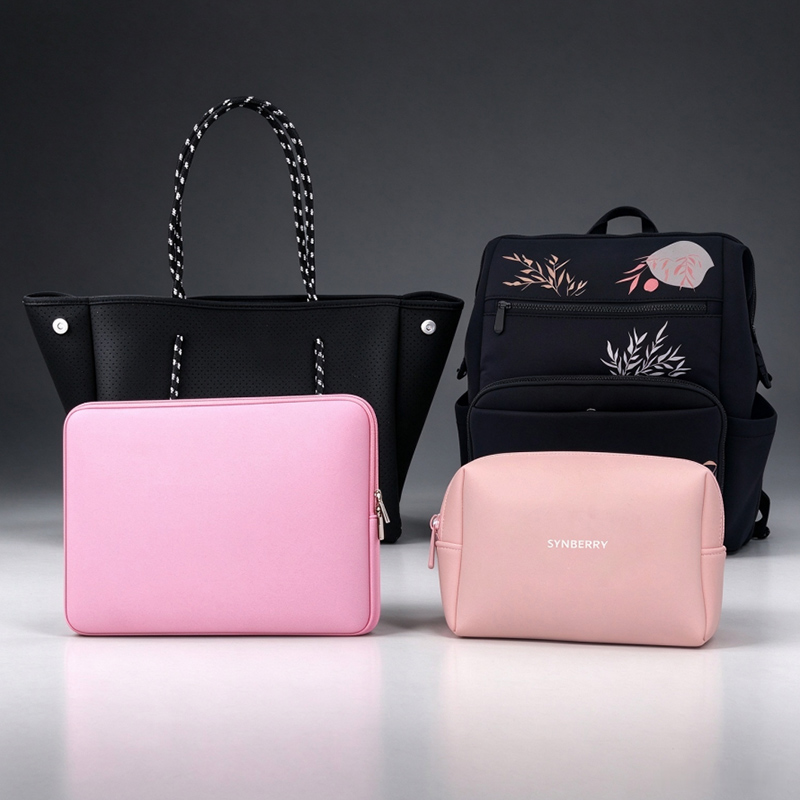
כן, זוהי בחירה מושלמת עבור קטגוריות מסוימות של תיקים, אך לא עבור כל הסוגים. ניאופרן (שם מדעי: גומי כלורופרן, CR) הוא חומר המתאים מאוד לסוגים ספציפיים של תיקים. הוא רך, עמיד במים, סופג זעזועים במיוחד, ומציע יכולת עיצוב מעולה. הוא מתאים במיוחד לתיקי חוף, תיקי ציוד צלילה, תיקי מצלמה, תיקי ספורט, תיקי אוכל וסוגים שונים של תיקים רכים אופנתיים.אם המוצר שלכם דורש שתיים מהתכונות הבאות - "רכות + עמידות למים + הגנה + קיפול" - ניאופרן הוא כמעט בחירה אידיאלית. עם זאת, אם אתם מעצבים תיק עסקי מובנה, תיק יד יוקרתי שמטרתו מרקם דמוי עור, או מוצר המיוצר בייצור המוני שבו רגישות העלות גבוהה ביותר, ניאופרן לא בהכרח יהיה הפתרון האופטימלי.האם הוא "טוב" תלוי במיקום המוצר שלך, בתרחישי השימוש היעדיים ובמבנה העלויות. בסעיפים הבאים נתחיל מהתכונות הבסיסיות של החומר ונעבור על שיקולי הייצור שלב אחר שלב כדי לעזור לך לקבוע האם הוא מתאים למוצר שלך.תוֹכֶן הָעִניָנִים:מה זה ניאופרן?יתרונותיו של ניאופרןחסרונות של ניאופרןאילו סוגי תיקים מתאימים לשימוש בניאופרן?המלצות מעשיות להתאמה אישית של תיקי ניאופרןשאלות נפוצותמַסְקָנָה 1. מהו ניאופרן?ניאופרן (גומי כלורופרן, בקיצור CR) הומצא על ידי החברה האמריקאית דופונט בשנות ה-30. הוא פותח במקור עבור חליפות צלילה, ולכן הרושם הראשוני של אנשים רבים ממנו נובע מהמונח "חומר צלילה". שמו המדעי הוא גומי פוליכלורופרן, סוג של גומי סינתטי המיוצר באמצעות פילמור של מונומרים של כלורופרן.בתעשיית ייצור התיקים, החומר שאנו משתמשים בו בפועל הוא בדרך כלל לא יריעות גומי טהור, אלא חומר מרוכב מקצף ניאופרן - חומר שכבתי המיוצר על ידי חיבור שכבת קצף ניאופרן עם בד ניילון או בד פוליאסטר. מבנה נפוץ מורכב מ: שכבה חיצונית עשויה מבד ניילון/פוליאסטר, שכבה אמצעית של ספוג קצף ניאופרן, ושכבה פנימית אופציונלית של בד בטנה. יחס ההקצפה (כגון עוביים של 2 מ"מ, 3 מ"מ ו-5 מ"מ, כאשר הרכות והקשיות נבדלות על ידי קשיות וצפיפות Shore) קובע את מבנה המוצר הסופי, הנוקשות וביצועי הריפוד.ברגע שתבינו את "מבנה הסנדוויץ'" שלו, תוכלו להבין את כל היתרונות והחסרונות של ניאופרן כחומר לשקיות. זוהי נקודת המוצא ההגיונית לכל ההערכות וההחלטות שיבואו לאחר מכן. 2. יתרונות הניאופרן 2.1 עמידות מעולה למים ולחותלניאופרן עצמו יש מבנה קצף בעל תאים סגורים, עם קצב ספיגת מים נמוך במיוחד המאפשר חדירת מעט מאוד אדי מים. מאפיין זה הופך אותו למתאים באופן טבעי ליישומים הבאים:תיקי חוף / תיקי שחייה: ניתן להניח בגדי ים רטובים ומגבות רטובות ישירות בפנים מבלי שמים יחלחלו לשכבה החיצונית ויירטיבו חפצים אחרים. זה גם פחות נוטה להתפתחות עובש.שקיות אוכל / שקיות מבודדות: מבנה התאים הסגור עצמו משמש כשכבת בידוד. בשילוב עם בטנת נייר אלומיניום, הוא יכול לשמור על התכולה קרירה במשך מספר שעות, מה שהופך את הניאופרן לחומר מרכזי בשוק שקיות האוכל באירופה ובצפון אמריקה.תיקי ספורט ימי וחוץ: מתאים לתיקי גלשן פאדלבורד, תיקי קניונינג וציוד שייט. 2.2 ריפוד טבעי ותכונות הגנהשכבת הספוג פועלת כבולם זעזועים מובנה. זהו היתרון המרכזי שמבדיל ניאופרן כמעט מכל בדי התיקים המסורתיים:תיקי מצלמה / תיקי רחפנים / תיקי מכשירים: שכבת ניאופרן בעובי 3 מ"מ-5 מ"מ יכולה לספק הגנה מפני נפילות וזעזועים לציוד מדויק, ובכך מבטלת את הצורך בבטנת כותנה פנינה נוספת או קצף EVA.שרוולים למחשב נייד: זהו אחד השווקים הוותיקים ביותר ליישומי ניאופרן. החומר קל משקל וגמיש, אך מסוגל לספוג פגיעות בעת נפילה.שקיות בקבוקי יין: שקיות יין מניאופרן לבקבוק בודד ובקבוק כפול הן קטגוריות מוצרים נפוצות בשוק המתנות.כדי להשיג את אותה רמת הגנה, בדים מסורתיים דורשים ריפוד ובריאציה נוספים, מה שבא על חשבון רכות וביצועים קלים. 2.3 רכות וקיפולניתן לקפל ולאחסן שקיות ניאופרן כאשר אינן בשימוש, מה שמקל על הכנסתן למגירה או לתיק אחר. לאחר מילוין, הן יכולות גם להתאים את עצמן לקווי המתאר של הגוף. זה הופך אותן למתאים במיוחד עבור:תיקי כושר / תיקי יוגה: ניתן להכניס את גוף התיק הרך בקלות לארונית של חדר הכושר.תיקי ארגון נסיעות: ניתן לקפל ולאחסן אותם במזוודה, אך מציעים קיבולת ניכרת כשהם פתוחים.תיקי חיתול / תיקי תינוקות: גוף התיק הרך לא ילחץ בצורה לא נוחה כנגד התינוק וגם קל יותר להכניס אותו לסל האחסון של העגלה.לשם השוואה, תיקי בד ועור לעיתים קרובות מתמודדים עם פשרות: "אם הם רכים, הם חסרי מבנה; אם הם נוקשים, הם הופכים למגושמים וכבדים." ניאופרן משיג איזון טוב יותר בין "רכות" ל"שמירה על צורה". 2.4 גמישות מעולה בהדפסה ועיצובבד הניילון/פוליאסטר המודבק לפני השטח של הניאופרן הוא חומר הדפסה מצוין. הדפסה דיגיטלית, הדפסת משי והדפסת העברת חום כולן מספקות תוצאות טובות מאוד, עם צבעים עזים ופרטים חדים. יתר על כן, הדוגמאות המודפסות פחות נוטות להיסדק כאשר החומר נמתח.בנוסף, ניתן לעצב את גוף התיק עם קצוות גליים, רוכסנים בצבעים מנוגדים, פאנלים בצבע אחיד ומאפיינים ייחודיים אחרים. בשנים האחרונות, ניאופרן הפך לבחירה פופולרית עבור מותגי אופנה אופנתיים, קולקציות שיתופי פעולה של קניין רוחני ושקיות מתנה מותאמות אישית לחברות.הפופולריות הגוברת של מותגי מעצבים כמו ז'אקמוס סייעה גם היא להביא לאור הזרקורים תיקי אופנה רכים ופיסוליים מניאופרן. 2.5 קל לתחזוקה ועמיד בפני כתמיםשכבת הניאופרן קצף מספקת מחסום מפני חדירת נוזלים. כאשר מכוסים בבד חיצוני עמיד במים קלות וקל לניגוב, כגון ניילון או פוליאסטר עמידים למים בצפיפות גבוהה, כתמים יומיומיים (כגון שפיכות קפה, התזות בוץ וסימני זיעה) לא צפויים לחדור פנימה.ברוב המקרים, ניתן להחזיר את המשטח למצב נקי פשוט על ידי ניגוב עדין שלו עם מטלית לחה וכמות קטנה של חומר ניקוי עדין וניטרלי. אין צורך בכביסה תכופה כמו עם קנבס, וניתן גם להימנע מהטרחה הכרוכה בתחזוקה שוטפת הקשורה לעור. 3. חסרונות של ניאופרןניאופרן הוא חומר המיועד ליישומים ספציפיים ולא בד אוניברסלי לתיקים. כאשר הוא פותר בעיה מעשית, הוא יכול לתפקד היטב. עם זאת, אם תבחרו בו פשוט משום שהדגימה מרגישה רכה ונעימה למגע, בדרך כלל נבדוק את מפרט המוצר המלא בקפידה לפני שנמשיך לשלב הדגימה.הערכה רציונלית של חומר אינה יכולה להתמקד אך ורק ביתרונותיו. חסרונותיו של ניאופרן נקבעים גם על ידי מבנהו: 3.1 שקיות גמורות עשויות להיות כבדות מהצפויפיסת ניאופרן קטנה אולי לא תרגיש כבדה במיוחד. עם זאת, ברגע ששטח הפנים הגדול של מבנה הסנדוויץ' משולב עם רוכסנים, רצועות וחומרה, המשקל הכולל יכול לעלות משמעותית.אם ניקח לדוגמה בד ניאופרן למינציה נפוץ בעובי 3 מ"מ, משקלו למטר מרובע גבוה משמעותית מזה של ניילון 210D רגיל או בד אוקספורד 600D. זה הופך לחשוב במיוחד כאשר המוצר מיועד להיות קל משקל או מתוכנן לנשיאה ממושכת. 3.2 יכולת נשימה מוגבלתמכיוון ששכבת הליבה של הניאופרן מורכבת ממבנה קצף בעל תאים סגורים, התכונות הפיזיקליות הצפופות שלה לא רק מונעות חדירת לחות אלא גם חוסמות ביעילות את זרימת האוויר. משמעות הדבר היא שלשקיות ניאופרן אין כמעט יכולת נשימה.כאשר זרימת אוויר היא השיקול העיקרי, בדרך כלל לא בוחרים בניאופרן כחומר. 3.3 תפירה דורשת מומחיות מיוחדתבשל הגמישות הייחודית של חומרי הקצף, ניאופרן יכול להיות נוטה לבעיות הזנת בד, דילוג על תפרים וקמטים במהלך התפירה. זה דורש שליטה מדוקדקת על אורך התפר, סוג המחט ושיטות הזנת הבד. חומרים עבים נוטים גם להתפצל בפינות, ולכן תופרים מנוסים הם חיוניים.אם למפעל קטן אין ניסיון קודם בתפירת חומרי קצף, שיעור הפגמים הראשוני עשוי להיות גבוה יחסית.בנוסף, ריתוך חלק באולטרסאונד אינו יכול להחליף לחלוטין את התפירה להשגת איטום באמצעות ניאופרן. ריתוך בתדר גבוה הוא אופציה, אך הוא דורש השקעה משמעותית בציוד. רוב המוצרים עדיין צריכים להיות משולבים עם רוכסנים עמידים במים כדי להשיג רמת עמידות למים מעבר להגנה בסיסית מפני התזות. 3.4 נטייה לקמטים וסימני דחיסהבמהלך אחסון או הובלה ממושכים של קיפול, שכבת קצף הניאופרן נוטה לפתח סימני דחיסה לאורך קווי הקיפול, דבר המשפיע על החלקות והמראה הכללי של המוצר. לאחר קבלת מוצר מקופל או דחוס, משתמשים בדרך כלל צריכים להשאירו ללא הפרעה ולאפשר לחומר להתאושש באופן טבעי לפני שהוא חוזר בהדרגה לצורתו המקורית.עבור מוצרים המיועדים לנוחות "מוכנים לשימוש" או הממוקמים כמתנות יוקרתיות, יש לשלב מבני תמיכה נוספים בעיצוב האריזה כדי למנוע דחיסה מוגזמת. 3.5 עלות גבוהה יותר מבדים קונבנציונלייםמחירו של בד פוליאסטר למינציה ניאופרן קונבנציונלי בעובי 3 מ"מ הוא פי 3-5 בערך מזה של בד אוקספורד רגיל 600D. בנוסף, חיתוך הפסולת גבוה יותר (הגמישות של חומרי הקצף הופכת את סידור הבד לפחות קומפקטי מאשר בבדים ארוגים חלקים), ויעילות התפירה נמוכה יותר. כתוצאה מכך, העלות הכוללת גבוהה משמעותית מזו של מוצרים מבוססי פוליאסטר או ניילון.זה הופך את הניאופרן ללא מתאים למוצרים במחיר נמוך ובנפח גבוה, אך מתאים יותר למוצרים פונקציונליים או בעלי אוריינטציה עיצובית עם שולי רווח בינוניים עד גבוהים. 4. אילו סוגי תיקים מתאימים לניאופרן?על ידי שקילת היתרונות והחסרונות שנדונו בשני הסעיפים הקודמים, נוכל ליצור מסגרת ברורה של קבלת החלטות.קטגוריות מוצרים מומלצות:שרוולים ותיקי ארגון למצלמה / רחפן / מכשירים: אידיאליים כאשר ריפוד והגנה הם הדרישות העיקריות.שרוולים למחשב נייד: קטגוריית מוצרים מבוססת עם נוף תחרותי מוגדר היטב.שקיות אוכל / שקיות מבודדות: אידיאליות למוצרים הדורשים גם בידוד תרמי וגם הגנה מפני דליפות.שקיות לבקבוקי יין / שרוולי כוסות: מתאים למוצרים המשלבים פונקציונליות מגן עם מראה של מתנה.תיקי חוף / תיקי שחייה / תיקי ספורט ימי: אידיאליים ליישומים בהם עמידות למים היא הדרישה העיקרית.תיקי מותן ספורטיביים: מתאים למוצרים המעדיפים רכות וקלות ניקוי.תיקי חיתול / תיקי איפור: מתאים למוצרים הדורשים רכות, עמידות בפני כתמים ועמידות בפני מים.קטגוריות מוצרים לא מומלצות:תיקי עבודה ותיקי נסיעות מובניםתיקי יד יוקרתיים הדורשים מרקם דמוי עור פרימיוםתיקים לייצור המוני במחירים נמוכים עד בינוניים: מבנה העלויות אינו בר-קיימא.מוצרים לטווח קצר עם עונתיות חזקה 5. המלצות מעשיות להתאמה אישית של תיקי ניאופרןעבור מותגים ומפעלי תרמילים, בחירת החומר היא רק הצעד הראשון. ישנם חמישה גורמים מרכזיים שיש לשלוט בהם במהלך היישום: 5.1 עובי וקשיחותהעובי הסטנדרטי של ניאופרן המשמש לתיקים הוא בדרך כלל 2 מ"מ-5 מ"מ. עובי של 2-3 מ"מ מספיק לשרוולים פנימיים. עבור תיקי בד שצריכים לעמוד זקוף, מומלץ עובי של 4-5 מ"מ, או שניתן להוסיף בטנה באמצעות למינציה.במהלך הדגימה, יש לוודא שבדקתם את יכולת ההתאוששות של החומר לאחר הקיפול ואת מידת הצניחה תחת עומס. כך תבטיחו שהעובי תואם את הציפיות שלכם לגבי מבנה השקית ושמירת הצורה. 5.2 איכות הלמינציהאיכות הלמינציה של מבנה החומר בעל שלוש השכבות (בד חיצוני + שכבת ספוג + בד בטנה) קובעת את חיי השירות של המוצר. למינציה באיכות ירודה עשויה להתחיל להתפרק או ליצור בועות לאחר מספר חודשי שימוש בלבד, בעוד ששכבות למינציה באיכות גבוהה אמורות להיות מחוברות היטב יחד וקשה להפריד אותן ידנית.לכן, בחירת מפעל תיקים מקצועי בעל ניסיון בייצור מוצרים דומים היא חיונית. 5.3 בקרת ריחותבמהלך תהליכי ההקצפה והלמינציה, ניאופרן עלול באופן בלתי נמנע לשמור על כמות מסוימת של ריח כימי, המכונה בדרך כלל "ריח גומי" או "ריח דבק". למרות שחומרים העומדים בתקני סביבה יאבדו בהדרגה את ריחו לאחר אוורור, ריחות לא נעימים בעת פתיחת האריזה עלולים להוביל בקלות לביקורות שליליות, במיוחד בקרב משתמשים רגישים לריח, כגון הורים הרוכשים מוצרים לתינוקות ומקבלי מתנות יוקרתיות.לכן, במהלך תהליך ייצור ה-OEM של שקיות ניאופרן, אנו מקדישים תשומת לב מיוחדת לגורמים הבאים:מקור חומריתהליך למינציהתנאי אריזהזמן אוורור לפני המשלוח 5.4 בחירת רוכסן קובע את רמת העמידות למיםרוכסני ניילון רגילים הם אחת הנקודות העיקריות בהן מים יכולים לחלחל למוצרים עמידים בפני התזות מים. עבור מוצרים עם דרישות עמידות גבוהות יותר למים, יש להשתמש ברוכסנים עמידים למים או אטומים למים (כגון סדרת הרוכסנים העמידים למים של YKK), או להוסיף דש רוכסן עמיד למים לחלק הפנימי של הרוכסן.חשוב לציין שרוכסנים עמידים למים בדרך כלל מרגישים נוקשים יותר מרוכסנים רגילים, מציעים התנגדות גדולה יותר בעת פתיחה וסגירה, ועולים יותר.אם המוצר אינו מיועד לצלילה מקצועית או לסביבות חוץ קיצוניות, אין צורך לשאוף בעיוורון לרמת הביצועים הגבוהה ביותר של רוכסן עמיד למים. פעולה זו עלולה לפגוע בחוויית המשתמש תוך הגדלת העלויות שלא לצורך. 5.5 עמידות בפני חלודה של חומרת מתכתבהתחשב בכך ששקיות ניאופרן משמשות לעתים קרובות בסביבות לחות, חומרת המתכת חייבת להיות בעלת עמידות מצוינת בפני חלודה. בפועל, בדיקת ריסוס מלח ניתן להשתמש בו כדי להעריך את עמידות הקורוזיה של החומרה. יש לתת עדיפות לחומרה מסגסוגת אבץ עם ציפוי אלקטרוליטי עבה או לחומרה מפלדת אל-חלד.זה עוזר למנוע חמצון מהיר וחלודה הנגרמים מחשיפה לסביבות חוף או זיעה, אשר עלולים לפגוע במראה הכללי ובאיכות הנתפסת של המוצר. 6. שאלות נפוצות שאלה 1: מה ההבדל בין ניאופרן ל-SBR?CR (גומי כלורופרן / ניאופרן) ו-SBR (גומי סטירן-בוטדיאן) שניהם גומי סינתטי, ושניהם ניתנים ליצירת מבנה "סנדוויץ'" המורכב מבד חיצוני + שכבת ספוג + בד בטנה. ניתן אף להפוך את המראה, התחושה והעובי שלהם זהים כמעט לחלוטין. עם זאת, בהתבסס על ניסיון מעשי בייצור שקיות ניאופרן של יצרני ציוד מקורי (OEM), ישנם שני הבדלים בולטים בין שני החומרים:גמישות והתאוששות צורה: CR מציע גמישות טובה יותר ומתאושש מהר יותר מסימני דחיסה לאחר קיפול, מה שהופך אותו לפחות נוטה לעיוות במהלך שימוש ארוך טווח. לעומת זאת, ל-SBR יש גמישות חלשה יחסית וסביר יותר שיפתח קמטים קבועים או יקרסו לאחר קיפול חוזר או דחיסה חזקה.עמידות ועמידות בפני מזג אוויר: CR מציע עמידות ועמידות טובים יותר בפני מזג אוויר, עם עמידות גבוהה משמעותית לקרינת UV, אוזון וקורוזיה של מי ים בהשוואה ל-SBR. כאשר הוא נחשף לאור שמש או לסביבות לחות למשך תקופות ממושכות, SBR רגיש יותר להזדקנות, התקשות ואבקה על פני השטח.הטבלה הבאה משווה את מאפייני הביצועים והעלויות הטבועים של שני החומרים:הטבלה הבאה משווה את מאפייני הביצועים והעלויות הטבועים שלהם:גורם השוואה CR (ניאופרן אמיתי) SBR (גומי סטירן-בוטדיאן)עמידות בפני שחיקה טוב, אבל לא טוב כמו SBR מצוין; משמש בדרך כלל בשקיות הדורשות עמידות גבוהה יותר לשחיקהעמידות טמפרטורה בקירוב של -40°C עד +120°C בקירוב של -20°C עד +80°Cעֲמִידוּת מצוין; פחות נוטה להתבשל במהלך שימוש ארוך טווח ממוצע; נוטה להיסדק ולהתפורר בחוץגמישות ותחושה גמיש עם עמידות טובה חוסן חלש יחסית מאשר CRעֲלוּת גבוה; CR עולה בערך פי שניים מ-SBR נמוך יותר; החומר השולט במוצרי "בד צלילה" רבים בשוקרֵיחַ יחסית קל בדרך כלל יותר מורגשסיכום: SBR הוא "תחליף ידידותי לתקציב לניאופרן". אם נקודות המכירה של המוצר שלכם הן רכות, ריפוד, עמידות למים ועמידות בפני כתמים (כגון תיקי חוף, תיקי מצלמה ותיקי אוכל), SBR הוא בדרך כלל בחירה משתלמת. עם זאת, אם אתם מתכוונים לקדם "איכות ניאופרן אמיתית", למקם את המוצר במחיר גבוה יותר, או לעמוד בדרישות גבוהות יותר של לקוחות לעמידות בטמפרטורה, תיקון קמטים ועמידות בפני מזג אוויר, CR עשוי להיות האפשרות הטובה יותר. יש לקחת בחשבון גם את הפרש העלויות באסטרטגיית התמחור שלכם. שאלה 2: האם ניתן לכבס שקיות ניאופרן במכונה?כביסה במכונה אינה מומלצת. למרות שניאופרן עצמו יכול לעמוד בכביסה, שכבות ההדבקה (הדבק) והתפרים ב"מבנה הסנדוויץ'" אינם יכולים לעמוד בתנודה הנמרצת ובכוחות הצנטריפוגליים הגבוהים של מחזור הסחיטה של מכונת הכביסה. כביסה במכונה עלולה לגרום בקלות להתפרקות הבד, לבועות ואף לעיוות או נזק בלתי הפיך לחומרה.שיטת הניקוי הנכונה היא להשתמש במים פושרים וחומר ניקוי ניטרלי, לנגב בעדינות את האזורים המוכתמים בעזרת מטלית רכה או ספוג. לאחר מכן נגבו את שאריות חומר הניקוי בעזרת מים נקיים ותנו לשקית להתייבש באופן טבעי באוויר באזור קריר ומאוורר היטב.הימנעו מאור שמש ישיר ומייבוש במייבש כביסה בטמפרטורה גבוהה, שכן חום עלול להאיץ את הזדקנות הגומי, לגרום לו להתקשות או אפילו להיסדק. במקרה של ריחות מתמשכים או ניקוי עמוק, שקלו לפנות לעזרה של מכבסה יבשה מקצועית. עם זאת, הודיעו להם מראש על תכונות החומר כדי להבטיח הימנעות מממסים חזקים. שאלה 3: האם ניתן להתאים אישית שקיות ניאופרן לצורות שונות?כן, אבל האפשרויות מוגבלות על ידי תכונות החומר. לניאופרן יש מידה מסוימת של גמישות וניתן לעצב אותו לדפוסים פשוטים של מרקם באמצעות כבישה בחום מבוססת תבנית. עם זאת, בניגוד ל-EVA או פלסטיק יצוק בהזרקה, הוא אינו יכול להשיג בקלות מבנים גיאומטריים מורכבים או זוויות ישרות חדות.אם נדרש מראה בעל מבנה קשיח ומבנה גבוה, בדרך כלל נדרש חיזוק פנימי (כגון לוחות PP או יריעות EVA) או שכבת קצף עבה יותר (מעל 5 מ"מ).עבור עיצובים שמטרתם להשיג "אפקט פיסולי רך", אנו ממליצים לדון בבנייה עם המפעל בשלב התכנון ולהשתמש בבנייה מרובת פאנלים וחלוקה למבנה כדי ליצור את הצורה הרצויה, במקום להסתמך על התמיכה המבנית הטבעית של חומר יחיד. שאלה 4: האם שקיות ניאופרן כבדות?תיקי ניאופרן עשויים להיות כבדים יותר ממה שקונים מצפים, במיוחד כאשר משולבים שטחים גדולים של בד ניאופרן עם בטנה, רצועות, רוכסנים וחומרי מתכת. הם יכולים להיות כבדים משמעותית מתיקי פוליאסטר וניילון רגילים. שאלה 5: האם שקיות ניאופרן ידידותיות לסביבה?יש להתייחס לשאלה זו מכמה נקודות מבט. מבחינת החומרים עצמם, גם גומי כלורופרן (CR) וגם גומי סטירן-בוטדיאן (SBR) הם גומי סינתטי שקשה להתפרק ביולוגית באופן טבעי ואינם נחשבים לחומרים מתכלים. עם זאת, ביצועיהם הסביבתיים במהלך הייצור והשימוש בפועל תלויים בתהליכי הייצור הספציפיים ובתקנים המועסקים.השיקול הראשון הוא תהליך ההדבקה והלמינציה. דבקים מסורתיים מבוססי ממס עשויים להכיל תרכובות אורגניות נדיפות (VOCs), אשר לא רק מייצרות ריחות חזקים אלא גם אינן ידידותיות לסביבה. כיום, שרשראות אספקה רבות ברמת הביניים והיקרה עברו לדבקים על בסיס מים או לתהליכי למינציה של דבק חם, מה שמפחית משמעותית את כמות החומרים השיוריים המזיקים ועוזר למוצרים לעמוד בתקנות סביבתיות מרכזיות כמו דרישות REACH ו-RoHS של האיחוד האירופי. שאלה 6: האם ניאופרן עדיף על ניילון או פוליאסטר לייצור תיקים?לא בהכרח. אם אתם מעדיפים משקל נמוך במיוחד, עלות נמוכה ונשימה גבוהה, בחרו ניילון או פוליאסטר. אם אתם זקוקים לעמידות למים, ריפוד, תחושה רכה או אסתטיקה אופנתית ייחודית, ויכולים לקבל עלויות ומשקל גבוהים יותר של המוצר, ניאופרן עשוי להיות הבחירה הטובה יותר.מותגים יוקרתיים רבים אף מאמצים "אסטרטגיה היברידית", תוך שימוש בניאופרן לגוף הראשי ומשלבים פאנלים של פוליאסטר או ניילון באזורים מרכזיים כדי לשלב את היתרונות של שני החומרים. 7. סיכוםאין הבחנה מוחלטת בין חומרים טובים לרעים; מה שחשוב הוא האם החומר מתאים ליישום. עבור יצרני ומותגים של שקיות, הנוהג הטוב ביותר הוא לעבוד אחורה ממסגרת "תרחיש יישום-פונקציה-חומר" במהלך שלב פיתוח המוצר. השתמשו בניאופרן היכן שהוא מתפקד בצורה הטובה ביותר, וטפלו במגבלותיו באמצעות תהליכי ייצור ובדיקות איכות. כאשר הוא מיושם נכון, ניאופרן יכול להפוך לנכס יקר ערך בקו המוצרים שלכם, המציע פוטנציאל משמעותי הן לבידול מוצרים והן לשולי רווח.לחברת SYNBERRY BAG ניסיון של למעלה מ-30 שנה בייצור תיקים OEM/ODM והיא מתמחה בעיבוד חומרים מתקדם ובייצור מדויק במגוון רחב של חומרים. אנו מבינים את הדרישות הספציפיות של ניאופרן בתחומי הלמינציה, התפירה ובקרת האיכות, ומספקים תמיכה מקצועית לאורך כל התהליך, החל מבחירת החומר ועד לאספקת המוצר המוגמר.בין אם אתם מפתחים שרוולי הגנה פונקציונליים המעניקים עדיפות לריפוד מקסימלי או תיקי מעצבים המציגים אסתטיקה של אופנה עכשווית, SYNBERRY BAG יכולה לעזור למותגים לתרגם קונספטים יצירתיים למוצרים מוגמרים בדיוק רב, תוך איזון בין ביצועים, עלות ואסתטיקה, כדי ליצור מוצרים באיכות גבוהה שעומדים במבחן השוק. מְחַבֵּר
ראה עודאנא המשך לקרוא, להישאר מעודכן, להירשם, ואנו מזמינים אותך לספר לנו מה אתה חושב.




זכויות יוצרים
@2024 Synberry Bag & Package Products Co.,Ltd כל הזכויות שמורות
.
 רשת נתמכת
מפת אתר / בלוג / Xml / מדיניות פרטיות