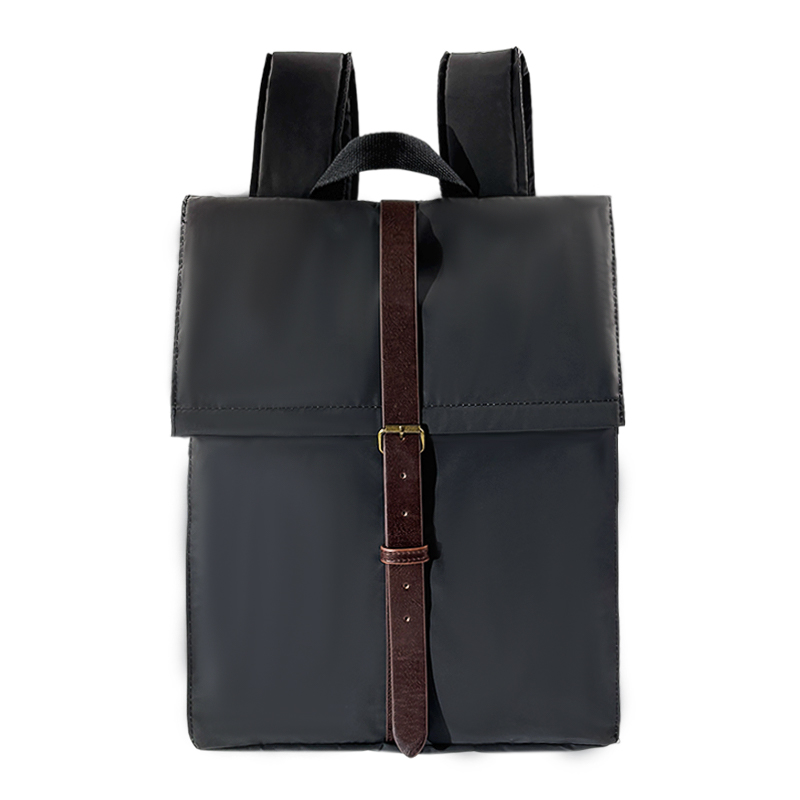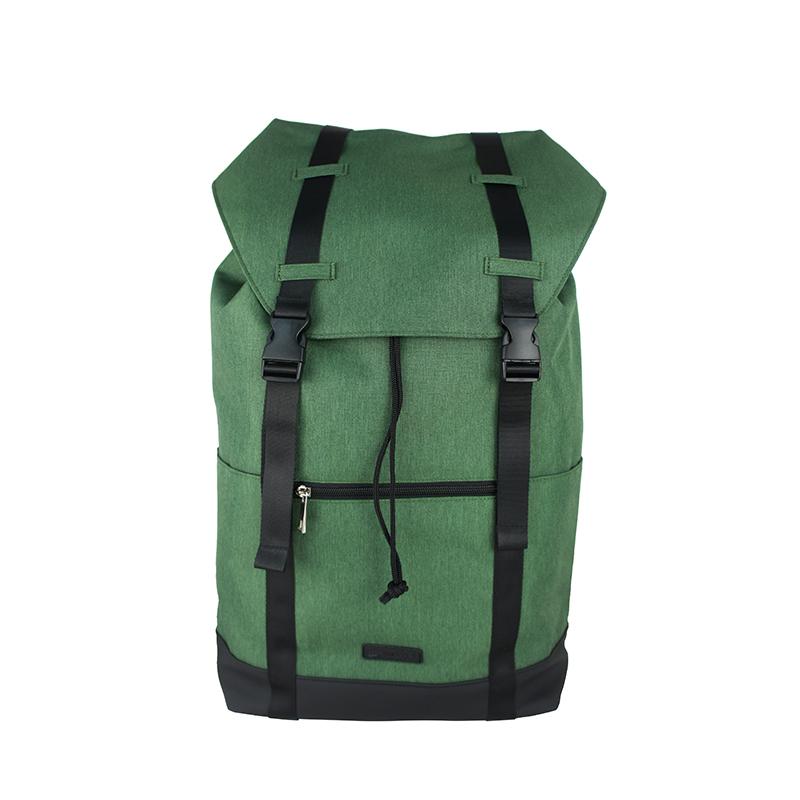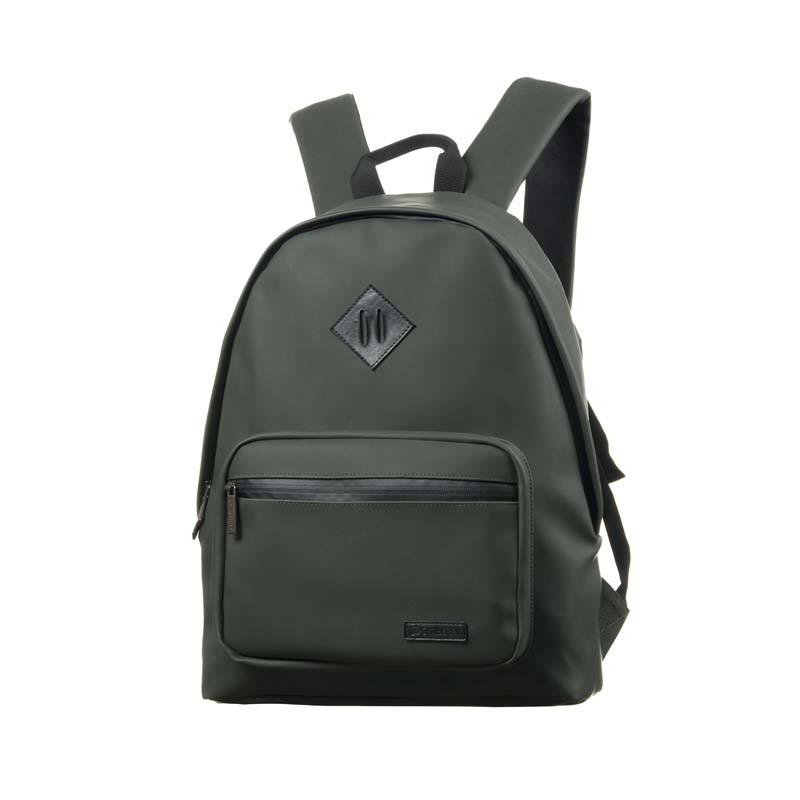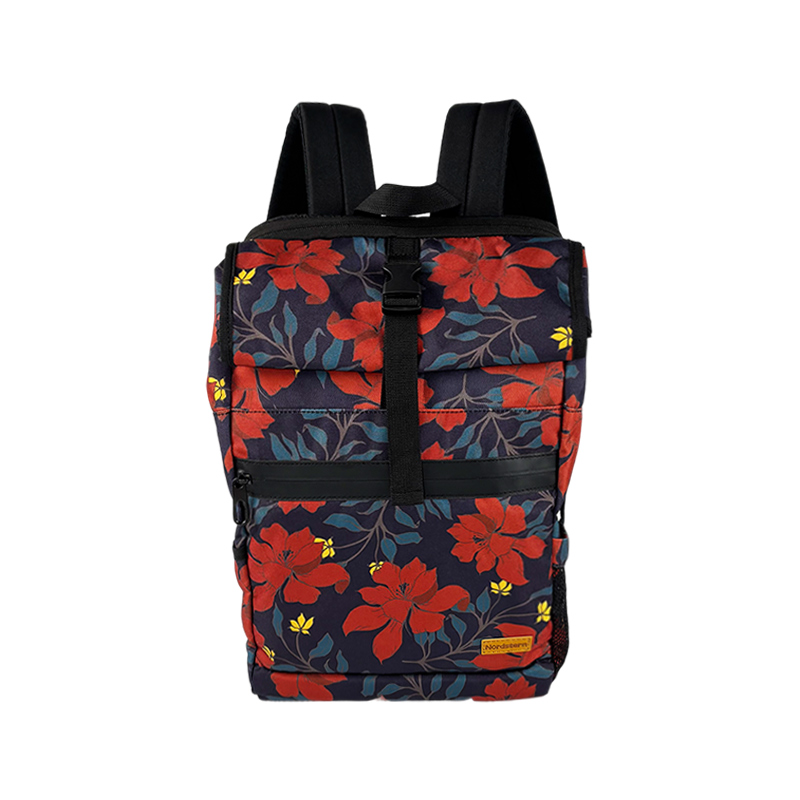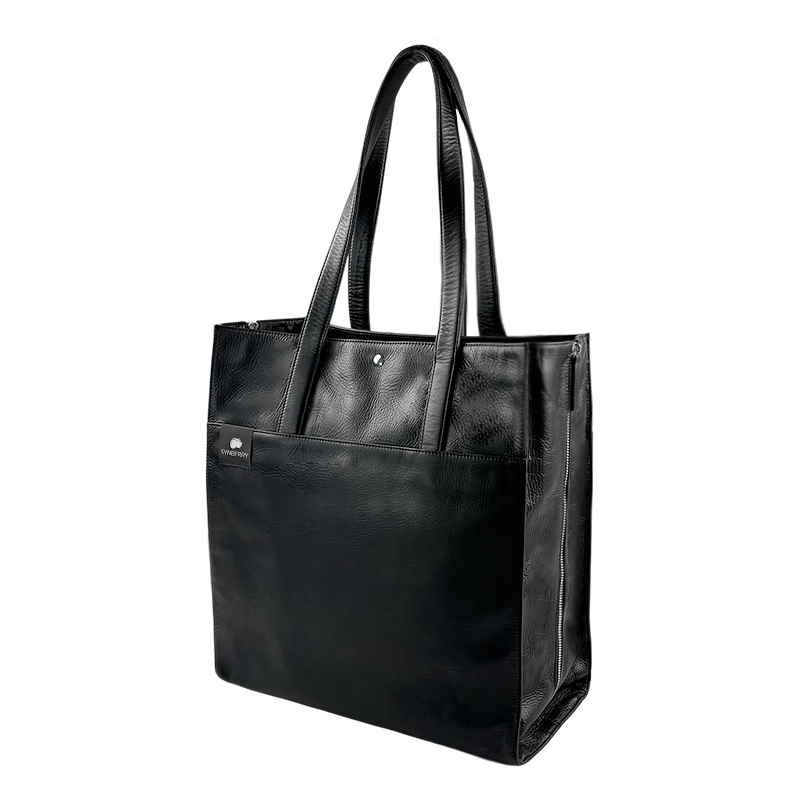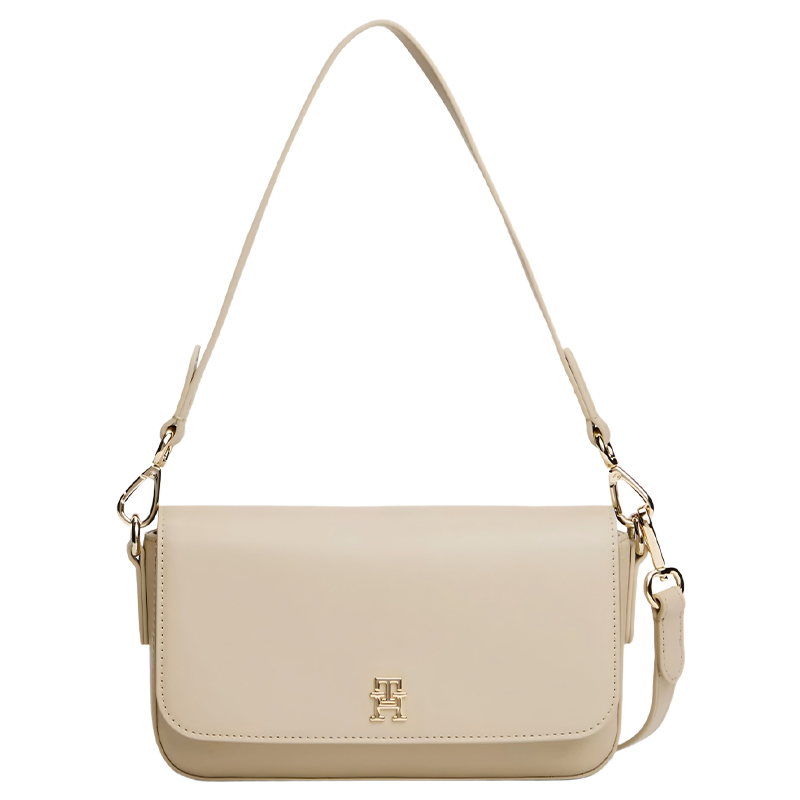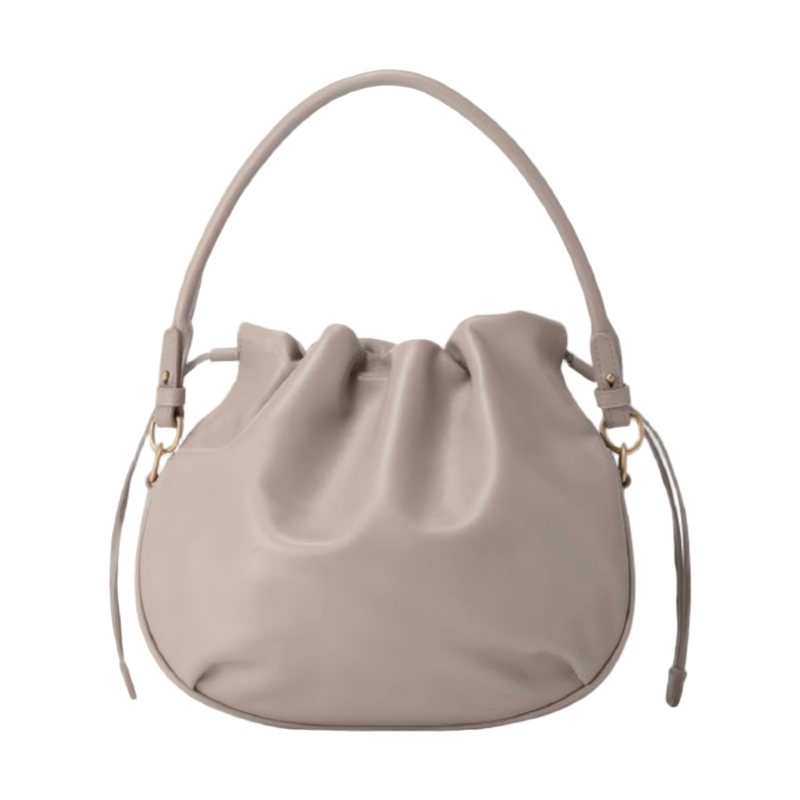


שירות התאמת המוצר המקצועי שלנו הופך את הרעיון שלך למציאות, ומספק חוויה חלקה מהרעיון ועד להצגת המוצר על המדף הקמעונאי


עם מפעלים בסין ובקמבודיה, יש לך את הגמישות לבחור את אתר הייצור המציע את הטבות התעריף המשתלמות ביותר בהתאם למצב הספציפי שלך.

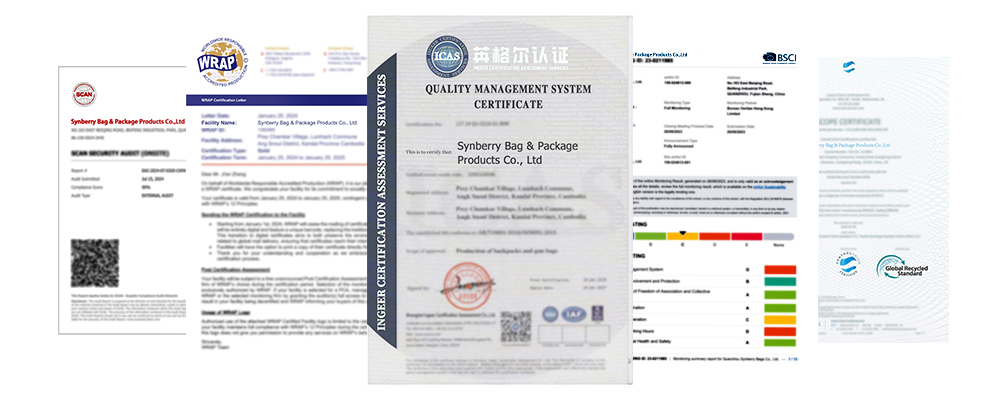
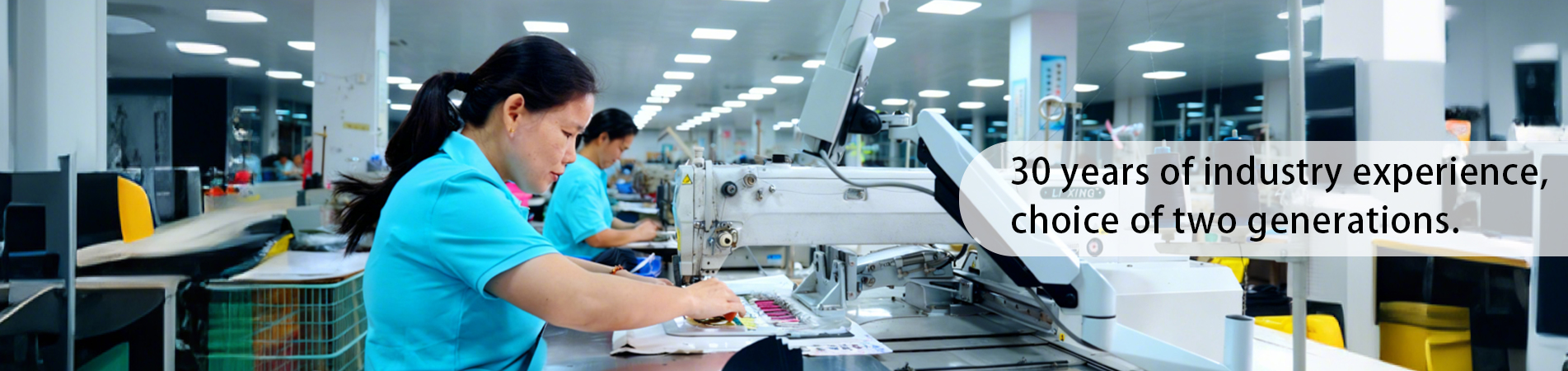
מה הפך את סינברי לבחירה של שני דורות? עם עקרונות איכות מוגדרים בבירור, תיעוד ורישומים מנוהלים היטב, והכי חשוב, ניתוח תהליכים מעמיק ובדיקה, אנו מסוגלים להבטיח איכות גבוהה עקבית.

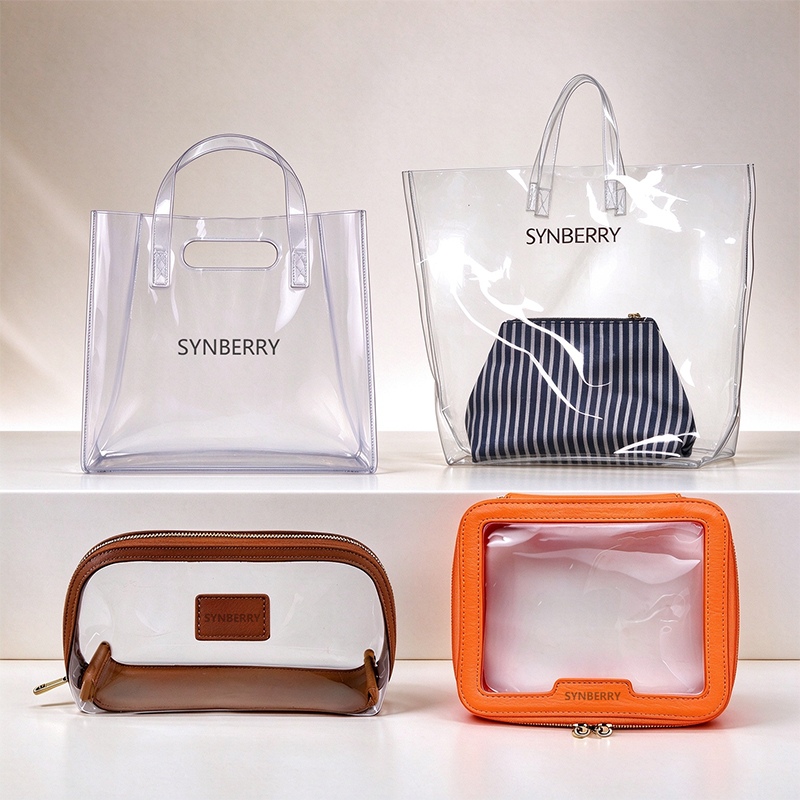
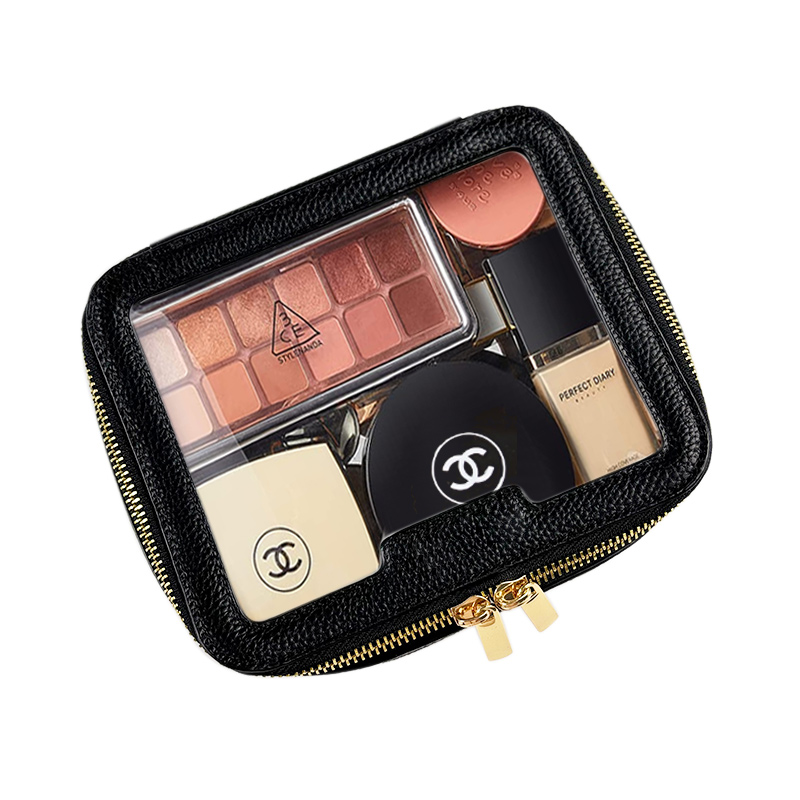
במהלך ייצור שקיות שקופות של יצרן הציוד המקורי (OEM), PVC, EVA ו-TPU הם שלושת החומרים המוזכרים בתדירות הגבוהה ביותר. ביניהם, ל-PVC יש את מגוון היישומים הרחב ביותר, ל-TPU יש את הביצועים הכוללים המאוזנים ביותר, בעוד ש-EVA הוא חומר שאין לו תחליף ביישומים ספציפיים בשל תחושת הרכות שלו. ניקח לדוגמה יישומים נפוצים של שקיות שקופות:PVC, בעל השקיפות הגבוהה ביותר ועלות חומרי הגלם הנמוכה יותר שלו, שלט זה מכבר בשווקי אריזות אופנה מהירה, שקיות מתנה לקידום מכירות ותיקים שקופים המיוצרים בייצור המוני;TPU, הודות לגמישותו המצוינות ולתאימותו, עמידותו בטמפרטורה נמוכה ועמידותו בשחיקה, הפך לבחירה המועדפת עבור תיקי קוסמטיקה יוקרתיים, תיקים עמידים למים לחוץ, אריזות למכשור רפואי ומוצרי אחסון שקופים הדורשים שימוש חוזר;EVA נפוץ יותר בשימוש במוצרי תינוקות, קלמרים לציוד משרדי, וכחומר בטנה במבנים מרוכבים רב שכבתיים שבהם רכות וריפוד הן דרישות חשובות.תוֹכֶן הָעִניָנִיםהבדלים בהרכבהבדלים בביצועיםידידותיות לסביבה, תאימות ובטיחותכיצד מותגים צריכים לבצע את הבחירה שלהם?שאלות נפוצות (FAQs)א. הבדלים בהרכבPVC (פוליוויניל כלוריד): PVC הוא פולימר ויניל המכיל כלור, שהוא קשיח מטבעו. יש להוסיף פלסטייזרים (לרוב פתלטים כמו DOP/DEHP) כדי להפוך אותו לשכבה רכה ושקיפה. מבין שלושת החומרים, PVC מציע את השקיפות הגבוהה ביותר ואת המראה ה"צלול" החזק ביותר. יש לו גם את עלות חומר הגלם הנמוכה ביותר, ולכן PVC שלט זה מכבר בשוק השקיות השקופות הזולות.EVA (קופולימר אתילן-ויניל אצטט): EVA הוא קופולימר של אתילן וויניל אצטט. רכותו נקבעת על ידי תכולת הוויניל אצטט (VA) במולקולה: ככל שתכולת ה-VA גבוהה יותר, כך החומר רך ושקוף יותר. ל-EVA גמישות טבעית ללא צורך בפלסטייזרים, וזהו ההבדל הבסיסי ביותר בין EVA ל-PVC.TPU (פוליאוריטן תרמופלסטי): TPU הוא קופולימר בלוק ששרשראות המולקולריות שלו מכילות גם מקטעים קשים (המספקים חוזק) וגם מקטעים רכים (המספקים גמישות). כתוצאה מכך, הוא משלב את הגמישות של גומי עם יכולת העיבוד של פלסטיק, מה שהופך אותו ל"אלסטומר" היחיד מבין שלושת החומרים.II. הבדלים בביצועים2.1 שקיפות ומראה: PVC > TPU > EVAPVC: מציע את העברת האור הגבוהה ביותר ואת ערפול האוורור הנמוך ביותר, ויוצר מראה חזותי הקרוב ביותר ל"זכוכית".TPU: מדורג במקום השני בשקיפות. סרטי TPU בעלי שקיפות גבוהה יכולים להשיג העברת אור של מעל 90%.EVA: בדרך כלל בעל העברת אור של כ-85% ועשוי להיראות מעט שקוף, במיוחד כאשר תכולת ה-VA גבוהה. הוא מציע את המרקם הרך של "קריסטל חלבי" במקום השקיפות החדה והצלולה של PVC.2.2 רכות ותחושת יד: EVA > TPU > PVCEVA: החומר הרך ביותר מבין שלושת החומרים. עם קשיות Shore של 60-70, הוא מרגיש כמעט חסר מבנה כאשר הוא מוחזק ביד. עם זאת, רכותו של EVA קשורה לעיוות קבוע, כלומר קמטים נוטים להישאר לאחר הקיפול.TPU: TPU מציע סוג שונה לחלוטין של רכות - הוא מאופיין בהתאוששות אלסטית. כאשר לוחצים או מלחצים עליו, הוא חוזר במהירות לצורתו המקורית.PVC: רכותו של PVC תלויה בתוספת של חומרי פלסטיזה. למגע היד שלו יש לעתים קרובות מרקם "חלקלק" או "גומי" מובהק, חסרה את האיכות החמה והחלקה של בדים איכותיים. הוא גם נוטה להתקשות בטמפרטורות נמוכות.2.3 עמידות בטמפרטורות: TPU > EVA > PVCTPU: בעל הביצועים הטובים ביותר, בדרך כלל עם טווח עמידות לטמפרטורות של -30°C עד +80°C. הוא אינו הופך שביר בטמפרטורות נמוכות או מתרכך ומתעוות בטמפרטורות גבוהות.EVA: מדורג במקום השני, עם טווח עמידות לטמפרטורות של כ-20°C- עד 60°C+. הוא נוטה להתרכך ולהידבק בטמפרטורות גבוהות.PVC: בעל הביצועים החלשים ביותר. הוא הופך קשה ושביר בטמפרטורות נמוכות, מה שהופך את הפינות נוטות להיסדק בחורף. בטמפרטורות גבוהות, חומרי פלסטיה עלולים לנדוד החוצה מהחומר, ולגרום למשטח היריעה להפוך דביק.2.4 עמידות בפני שחיקה / עמידות בפני שריטות על פני השטח: TPU > PVC > EVATPU: בעל יתרון מוחלט בעמידות בפני שחיקה מבין שלושת החומרים. זה הופך אותו לכמעט בלתי ניתן להחלפה ביישומים הכוללים חיכוך חוזר, מגע תכוף עם התכולה או נשיאה ושימוש ארוכי טווח.PVC: מדורג במקום השני. פני השטח שלו מבריקים בתחילה, אך עמידותו הכוללת לשחיקה חלשה יותר מזו של TPU לאחר חיכוך חוזר ונשנה. עם זאת, עמידותם לשריטות של סרטי PVC איכותיים השתפרה משמעותית באמצעות התאמות בניסוחים שלהם, כולל קשיות פני השטח.EVA: למרות שהחומר רך יחסית, חוזק פני השטח שלו מוגבל. הוא נוטה יותר לשריטות ולסימני שחיקה במהלך השימוש, במיוחד בפינות התיק ובאזורים הנתונים ללחץ ולקיפול חוזר ונשנה. לאחר שימוש ממושך, שקיפותו ומראהו הכללי מתדרדרים באופן ניכר.2.5 אורך חיים חזותי: עמידות בפני הצהבה והלבנהבמהלך שימוש ארוך טווח בשקיות שקופות, עמידות בפני הצהבה והיווצרות אובך קובעת ישירות את אורך החיים החזותי של המוצר. ההבדלים בין שלושת החומרים בממד זה משקפים את חוויית המשתמש בעולם האמיתי בצורה מדויקת יותר מאשר נתוני ביצועים לטווח קצר.להצהבה ולהלבנה יש סיבות שונות. הצהבה מתרחשת בעיקר כאשר המבנה המולקולרי של חומר עובר פירוק חמצוני לאחר חשיפה לאור אולטרה סגול, חמצון תרמי או מגע עם חומרים מסוימים, וכתוצאה מכך נוצרות קבוצות כרומופוריות. הלבנה, לעומת זאת, נגרמת לעיתים קרובות על ידי תוספים או אוליגומרים הנודדים אל פני השטח ומצטברים שם ליצירת משקעים עדינים, הגורמים לפני השטח של הסרט לאבד את שקיפותו. שתי תופעות אלו מתבלבלות לעיתים קרובות, אך מנגנוני הפגיעה שלהן במראה של שקיות שקופות שונים לחלוטין.PVC: שורש הסיבה להצהבה ב-PVC עדיין טמון במוצרי הפלסטיקה שלו. חומרי פלסטיקה מבוססי פתלטים מתחמצנים בהדרגה תחת השפעת אור וחום, ומייצרים חומרים צבעוניים כמו כינונים הגורמים למשטח הצלול המקורי להצהיב. במקביל, הנדידה המתמשכת של חומרי פלסטיקה אל פני השטח יכולה ליצור שכבה שומנית המושכת אבק, מה שגורם לפני השטח להיראות מעורפלים. שני שינויים אלה הם בלתי הפיכים.עם זאת, בחירת PVC איכותי המיוצר עם פלסטייזרים ידידותיים לסביבה עלולה לעכב את תחילת ההצהבה. עבור יישומים לטווח קצר כמו אריזות אופנה מהירה, חיסרון זה עשוי להיות מקובל. עם זאת, עבור מוצרים בינוניים עד יוקרתיים הדורשים תצוגה לטווח ארוך או שימוש חוזר, עדיין יש להעריך בקפידה את ביצועי ה-PVC.EVA: EVA בדרך כלל מציע עמידות טובה יותר להצהבה מאשר PVC. שרשראות המולקולריות שלו אינן מכילות אטומי כלור הניתנים לפירוק בקלות, ולכן קצב ההצהבה ההתחלתי איטי יותר. בתנאי תאורה רגילים בתוך הבית, הוא יכול לשמור על שקיפותו למשך תקופה ארוכה יחסית. עם זאת, מקטעי VA ב-EVA רגישים יחסית לחמצון תרמי. תחת חשיפה מתמשכת לחום או לקרינה אולטרה סגולה, הם עדיין יכולים לעבור חמצון הדרגתי, מה שגורם למשטח להפוך דביק יותר ויותר ולפתח הצהבה קלה עם הזמן.יש לדון ב-TPU בשתי קטגוריות.הקטגוריה הראשונה היא סרט TPU סטנדרטי, לשימוש כללי: זה בדרך כלל מתייחס ל-TPU מבוסס פוליאסטר ארומטי. לסוג זה של TPU יש את העמידות החלשה ביותר להצהבה והלבנה מבין שלושת החומרים. עם הזמן וככל שתנאי השימוש משתנים, משקעים על פני השטח עשויים לנדוד אל פני השטח, ולגרום לשקיעות דמויי פריחה ולמראה לבנבן. הלבנה בלתי הפיכה זו נגרמת על ידי נדידת תוספים ואוליגומרים. סביר במיוחד שהיא תהיה מורגשת בתנאים של טמפרטורה גבוהה, לחות גבוהה או דחיסה ממושכת. זהו מאפיין של TPU קונבנציונלי ולא פגם באיכות. לכן, שקיות שקופות העשויות מ-TPU ארומטי מתאימות יותר לשימוש פנימי או ליישומים שבהם שינויי צבע אינם דאגה עיקרית.הקטגוריה השנייה היא TPU משופר באיכות גבוהה: מדובר ב-TPU מבוסס פוליאתר אליפטי, המציע יציבות רבה יותר מבחינת שקיפות ועמידות בפני פריחה על פני השטח, ובכך מעכב ביעילות את הופעת משקעים על פני השטח. הוא יכול לשמור על רמת העברת אור גבוהה גם לאחר שימוש חיצוני ארוך טווח, מה שהופך אותו לבחירת חומר מרכזית עבור מוצרי שקיות שקופות יוקרתיים.מבחינת דירוג, העמידות להצהבה היא כדלקמן: TPU אליפטי > TPU ארומטי > EVA > PVC. העמידות להלבנה היא בקירוב: TPU אליפטי ≥ EVA > PVC > TPU ארומטי. בבחירת חומרים, אם למותג יש דרישות ספציפיות לשקיפות ארוכת טווח של השקיות השקופות שלו, TPU אליפטי צריך להיות הבחירה הראשונה. אם הביצועים הכוללים הם השיקול העיקרי ומראה ואורך חיים אינו שיקול מרכזי, ניתן לבחור ב-TPU ארומטי.2.6 ריתוך ועיבוד: PVC > TPU > EVAניתן לחבר את שלושת החומרים באמצעות איטום בחום בתדר גבוה או ריתוך אולטרסאונד, אך ביצועיהם שונים באופן משמעותי.PVC: מציע את ביצועי הריתוך הטובים ביותר בתדר גבוה מכיוון שהמולקולות שלו מכילות אטומי כלור בעלי קוטביות גבוהה. תחת שדה חשמלי בתדר גבוה, PVC מציג הפסדים דיאלקטריים גבוהים ויעילות חימום גבוהה, וכתוצאה מכך מהירויות איטום בחום גבוהות וחוזק תפר יציב. זה הופך אותו למתאים לייצור מהיר בקנה מידה גדול. עם זאת, PVC משחרר גזים המכילים כלור במהלך הריתוך, ולכן נדרש ציוד אוורור נאות; אחרת, הוא עלול להשפיע לרעה על סביבת העבודה.TPU: ביצועי הריתוך שלו בתדירות גבוהה נופלים בין PVC ל-EVA. TPU הוא אלסטומר תרמופלסטי עם טווח טמפרטורות התכה רחב יחסית, מה שהופך אותו למתאים מאוד לריתוך אולטרסאונד. תפרי הריתוך שלו גמישים ועמידים בפני סדקים, דבר שחשוב במיוחד עבור פינות של שקיות שקופות שצריכות לעמוד בכיפוף חוזר ונשנה. עם זאת, איטום חום בתדירות גבוהה של TPU דורש תדרים גבוהים יותר וזמני ריתוך ארוכים יותר, וכתוצאה מכך יעילות ייצור נמוכה יותר מאשר PVC. בנוסף, סרט TPU נוטה להידבק למשטח התבנית במהלך העיבוד, ולכן נדרש טיפול שחרור.EVA: בעל ביצועי הריתוך החלשים ביותר בתדר גבוה. מולקולות EVA הן פחות קוטביות יחסית, ולכן יעילות החימום שלה במהלך איטום בחום בתדר גבוה נמוכה מזו של PVC ו-TPU. עם זאת, עדיין ניתן להשיג תפרי ריתוך מקובלים על ידי התאמת פרמטרי הריתוך ולחץ התבנית כראוי. אף על פי כן, ל-EVA יש נקודת התכה נמוכה יחסית וטמפרטורת עיוות חום נמוכה, מה שמחייב שליטה מדויקת יותר בטמפרטורה ובזמן הריתוך. אפילו טעות קלה עלולה לגרום בקלות לשריפת תפרי הריתוך או להלבנה.ג. ידידותיות לסביבה, תאימות ובטיחותמנקודת מבט של ידידותיות לסביבה, עמידה בתקנות ובטיחות, ההבדלים בין שלושת החומרים ראויים לתשומת לב רבה אף יותר מאשר הבדלי הביצועים שלהם. גורמים אלה קובעים ישירות האם מוצר יכול להיכנס לשוק היעד שלו והאם ניתן להשתמש בו עבור קבוצות ספציפיות של אנשים וביישומים ספציפיים. הם גם הגורמים המרכזיים המייחדים באמת את שלושת החומרים. 3.1 PVC: הדאגה הגדולה ביותר היא פלסטייזריםהחשש העיקרי בנוגע ל-PVC טמון במוצרי הפלסטיקה שלו. חומרי פלסטיקה נפוצים על בסיס פתלטים ב-PVC, כגון DEHP ו-DOP, עשויים להיעלם בהדרגה מהחומר במהלך מגע ממושך עם עור או שמנים, או כאשר הם נחשפים לסביבות בטמפרטורה גבוהה. שוק האיחוד האירופי: תקנת REACH של האיחוד האירופי כללה פלסטייזרים מסוימים מבוססי פתלטים ברשימת המועמדים לחומרים בעלי דאגה גבוהה מאוד (SVHC) ומגבילה את השימוש בהם במוצרי ילדים, חומרים הבאים במגע עם מזון ומכשירים רפואיים. אם שוק היעד הוא האיחוד האירופי, מומלץ שהחומרים יעמדו בדרישות REACH של האיחוד האירופי.שוק ארה"ב: אם מוצרים נמכרים בקליפורניה, יש לקחת בחשבון גם את דרישות אזהרת החשיפה תחת הצעה 65 של קליפורניה עבור פלסטיקים של פתלטים כגון DEHP. בדרך כלל, נדרשת בדיקת פתלטים 8P.כיצרנית שקיות מקצועית, SYNBERRY בוחרת חומרים העומדים בדרישות הסביבתיות של שוק היעד בהתבסס על אזור השוק של הלקוח ויישום המוצר, ומבטיחה שהמוצרים עומדים בדרישות הרגולטוריות הרלוונטיות לפני הייצוא.3.2 EVA: ללא פלסטייזר וללא כלורEVA אינו מכיל פלסטייזרים ואינו מכיל כלור, מה שהופך אותו לטוב משמעותית מ-PVC מבחינת ידידותיות לסביבה והערכות בטיחות. ל-EVA היסטוריה ארוכה של שימוש בחומרים הבאים במגע עם מזון ובצעצועי ילדים. עבור שקיות שקופות לשימוש כללי, שימוש ב-EVA יכול להפחית משמעותית את נטל התאימות לתקנות. עם זאת, כאשר הוא בא במגע עם תוכן שמנוני, EVA מציע עמידות נמוכה יותר לנדידת שמן ושומן ויציבות נמוכה יותר לטווח ארוך בהשוואה ל-TPU. לכן, הערכה מדוקדקת עדיין נחוצה עבור יישומים הכוללים קוסמטיקה או מוצרים בעלי תכולת שמן גבוהה הדורשים ניקוי וחיטוי חוזרים ונשנים. 3.3 TPU: היתרון הגדול ביותר מבחינת תאימות לתקנותTPU מציע את היתרונות הגדולים ביותר מבחינת תאימות לתקנות. יש לו תאימות ביולוגית טובה, יכול להשיג רכות וגמישות ללא צורך בפלסטייזרים, וניתן למחזר סוגים מסוימים של TPU. עבור שקיות קוסמטיקה יוקרתיות, אריזות למכשור רפואי ושקיות שקופות המיוצאות לאזורים עם תקני סביבה מחמירים, TPU הוא בחירה אמינה עבור יישומים עם דרישות הבטיחות הגבוהות ביותר.IV. כיצד מותגים צריכים לבחור? התחילו עם תרחיש היישום, ולאחר מכן קבעו את הפתרון החומריכאשר מתרגמים את ההבדלים בהרכב, בביצועים ובתאימות לתקנות שנדונו לעיל לבחירת חומרים מעשית, בחירת החומר לשקיות שקופות צריכה לעמוד בשלושה ממדים מרכזיים: האם דרישות הבטיחות והרגולציה מתקיימות בשוק היעד, האם הביצועים יכולים לעמוד בעוצמת השימוש בפועל, והאם העלות תואמת את מיקום המוצר. 4.1 שיקולי תאימות בתהליך יצרן הציוד המקורי (OEM) עבור שקיות קוסמטיקהמנקודת מבט של בטיחות ותאימות לתקנות, בכל פעם ששוק היעד הוא אזור כמו האיחוד האירופי או קליפורניה בארצות הברית, שם ישנן הגבלות מפורשות על פלסטיקים של פתלטים, יש להעריך בקפידה את חומר ה-PVC כחומר או להוריד אותו לחלופה. הסיבה לכך היא שהסיכון לנדידת פלסטיקים הוא הבולט ביותר מבין שלושת החומרים. גם EVA וגם TPU יכולים לעמוד בדרישות בהקשר זה. עם זאת, אם התכולה מכילה תכולת שמן גבוהה או שהמוצר דורש ניקוי וחיטוי חוזרים ונשנים, ל-EVA עמידות חלשה יחסית לנדידת שמן ושומן, מה שהופך את TPU לבחירה אמינה יותר. 4.2 דרישות ביצועים המבוססות על תרחישי יישוםמנקודת מבט של עוצמת השימוש, שקיות שקופות המיועדות לאופנה מהירה או לשימוש לטווח קצר אינן דורשות דרישות גבוהות של התאוששות אלסטית, עמידות בפני שחיקה או עמידות בפני טמפרטורה. PVC יכול לענות על צרכים אלה בעלות נמוכה יחסית. עם זאת, עבור מוצרים שיש לפתוח ולסגור שוב ושוב, לכופף אותם לעתים קרובות, לשאת אותם לאורך תקופות ארוכות, או להשתמש בהם באופן פוטנציאלי בסביבות בטמפרטורה נמוכה, חולשותיו של PVC בשבריריות ובעמידות בפני שחיקה יתבררו במהרה. יתרונותיו של TPU בהתאוששות אלסטית ועמידות בפני גמישות ועייפות מתורגמים ישירות לשינוי ניכר בחוויית המשתמש. הטבלה הבאה משווה את היישומים המתאימים של שלושת החומרים בהתבסס על יישומים בפועל של שקיות שקופות:סוג תיק או דרישהחומר מועדףסיבת הבחירהשקיות קוסמטיקה מתנה לקידום מכירותPVCעלות נמוכה, שקיפות גבוהה ותהליכי הדפסה בוגריםשקיות קוסמטיקה שקופות לשוק המוניPVC או EVAPVC הוא חסכוני יותר ומציע קשיחות רבה יותר, בעוד ש-EVA קל יותר ובעל תחושה רכה יותר בידתיקי איפור ממותגים ברמה בינונית-יקרהTPUTPU עמיד יותר, וניתן לשפר את איכותו הנתפסת באמצעות בחירת עובי, חומרה והדפסהתיקי טיפוח ואחסון לנסיעותשלושת החומרים מתאימיםקל משקל וקל לניקוי, מה שהופך אותם למתאימים לאחסון כללי בנסיעותשקיות אחסון לנסיעות עסקים תכופות ולשימוש ארוך טווחTPUעמיד בפני שחיקה וקיפול, מתאים לשימוש תכוףתיקי חוף ושקיות קניות שקופותPVCקל לייצור במידות גדולות, שומר על צורה מובנית ומאפשר שליטה בעלויותתיקים עמידים למים לחוץ ותיקי חציית נחליםTPUקשיחות ועמידות בפני שחיקה טובים, מתאים לסביבות תובעניות יותרשקיות מגן למוצרים אלקטרוניים כגון טלפונים ניידים ומצלמותTPUמציע יתרונות טובים יותר בעמידות בפני שריטות, עמידות בפני קיפול וביצועי הגנהשקיות כתיבה לילדים ושקיות אחסון קלות ורכותאווהקל משקל ורך, עם תחושה עדינה ביד, אך עדיין יש לאמת את הבטיחות הכימית בהתאם לדרישות המוצר לילדים.שקיות המשמשות בסביבות טמפרטורה נמוכהTPUבדרך כלל מתאים יותר מ-PVC ו-EVA סטנדרטיים לתנאי טמפרטורה נמוכים וכיפוף חוזר ונשנהשקיות המדגישות שקיפות גבוהה ומראה "דמוי זכוכית"PVC או TPU שקוף במיוחדמתאים יותר להשגת מראה שקוף במיוחד, בהתאם לדרגת הסרט ועוביו4.3 שיקולי עלותמנקודת מבט של עלות, מבחינת מחירי יחידת חומרי גלם, PVC הוא הזול ביותר, EVA אחר כך, ו-TPU הוא היקר ביותר. זהו ההבדל המורגש ביותר בין שלושת החומרים בשלב הצעת המחיר.PVC: ל-PVC יש את היתרון המשמעותי ביותר מבחינת מחיר חומר הגלם ואת היעילות הגבוהה ביותר בריתוך בתדר גבוה, מה שהופך אותו למתאים לייצור מהיר בקנה מידה גדול. לכן, כאשר כושר הייצור מספיק ונפחי ההזמנות גדולים, PVC יכול להשיג את עלות היחידה הנמוכה ביותר מבין שלושת החומרים. עם זאת, מסקנה זו חלה רק על שווקים עם דרישות תאימות מקלות יחסית, מחזורי שימוש קצרים במוצר וללא מגע עם תכנים רגישים. כאשר מדובר ביצוא לאיחוד האירופי או לקליפורניה בארצות הברית, העלויות הנוספות של פלסטייזרים ידידותיים לסביבה הנדרשים כדי לעמוד בדרישות REACH ו-Proposition 65, עמלות בדיקות של צד שלישי וניהול עקיבות שרשרת האספקה יכולות להגדיל משמעותית את העלות הכוללת של PVC.EVA: ל-EVA מבנה עלויות שקוף יחסית. מחיר חומר הגלם שלו גבוה יותר מ-PVC אך נמוך משמעותית מ-TPU. דרישות העיבוד שלו אינן תובעניות במיוחד. למרות שאיטום בחום בתדירות גבוהה מעט פחות יעיל, ניתן לשמור על שיעורי פסולת המוצר המוגמר ותנודות האיכות בגבולות סבירים בתנאי ייצור מנוסים. יתרון העלות הגדול יותר שלו נובע מיציבות פרופיל התאימות שלו: EVA אינו דורש פלסטייזרים נוספים ואינו מכיל כלור, כך שאין צורך להזמין שוב ושוב את רוב בדיקות התאימות הבסיסיות.יש לדון גם בדירוג העלות הכולל של TPU בשתי קטגוריות:TPU ארומטי: מחירו נמצא בקצה התחתון של טווח ה-TPU. למרות שעלותו הכוללת נותרה גבוהה יותר מזו של EVA ו-PVC, הוא יחסית חסכוני יותר מ-TPU אליפטי.TPU אליפטי: בהשוואה ל-TPU ארומטי, מחיר הרכש שלו גבוה אף יותר, ומלאי השוק הספוטי פחות יציב.הטבלה הבאה משווה את העלויות של שלושת החומרים הללו על פני מספר ממדים, בהנחה שאותם מידות ועובי.פריט השוואהסרט PVC שקוףסרט שקוף EVAסרט שקוף TPUעלות רכשהנמוך ביותר; שרשרת אספקה בוגרת ומחירים יציבים יחסיתבינוני; בדרך כלל יקר יותר מ-PVCהגבוה ביותר; יקר משמעותית יותר מ-PVC ו-EVAצפיפות החומרגבוה יחסית; משקל חומר גדול יותר עבור אותו שטח ועובינמוך יחסית; משקל קל יותר ליחידת שטחבדרך כלל בין EVA ל-PVCעלות השגת אותה רכותנמוך; ניתן לכוונן את הרכות בקלות יחסית באמצעות מערכת הפלסטייזרבינוני; רכות תלויה בתכולת VAגבוה; קיימים הבדלים משמעותיים במחירים בין רמות קשיות ודרגות קושיעלות השגת שקיפותשקיפות גבוהה סטנדרטית קלה להשגה בעלות נמוכההעלויות עולות כאשר נדרשת שקיפות גבוההעלויות גבוהות יותר עבור שקיפות גבוהה וערפול נמוךעלויות הדפסה ולמינציהתהליכים בוגרים, עם מגוון רחב של אפשרויות כגון הדפסת משי והדפסת UVהידבקות פני השטח ותאימות הדיו נמוכות יותר מאלה של PVCהדפסה, למינציה וטיפול פני שטח דורשים בדרך כלל סטנדרטים גבוהים יותר.פסולת ייצורנמוך; למפעלים ניסיון רב בעיבודבינוני; יש לשלוט בקמטים הנגרמים מחום, הידבקות ויציבות ממדיתבינוני עד גבוה; דרישות מחמירות יותר לטמפרטורה, מתח והגנה על פני השטחעלות כוללת של מוצר מוגמרנָמוּךבֵּינוֹנִיגָבוֹהַמיצוב עלויות מתאיםמוצרי קידום מכירות לשוק המוני והזמנות רגישות למחירמוצרים בטווח הביניים המדגישים מבנה קל משקל, רכות וידידותיות לסביבהמוצרים ברמה בינונית-יקרה המדגישים עמידות, עמידות לטמפרטורות נמוכות ואיכות גבוההV. שאלות נפוצות לגבי תיקי קוסמטיקה שקופים OEMשאלה 1: מה עליכם לעשות כאשר תיק איפור שקוף מצהיב? האם ניתן לשקם אותו?זוהי אחת השאלות הנפוצות ביותר בייעוץ של יצרני ציוד מקורי (OEM) בנוגע לשקיות שקופות. המסקנה פשוטה: ברגע שמתפתחת הצהבה או אובך, בדרך כלל אין דרך לשחזר את המראה המקורי באמצעות שטיפה, ניגוב או טיפולים פשוטים. כפי שצוין קודם לכן, הצהבה נובעת בעיקרה מפירוק חמצוני של המבנה המולקולרי של החומר, אשר מייצר קבוצות כרומופוריות חדשות. ערפול, לעומת זאת, מתרחש כאשר פלסטייזרים או אוליגומרים נודדים אל פני השטח ויוצרים שכבת משקעים. אלה אינם מזהמים על פני השטח; הם שינויים בתוך החומר עצמו. ניגוב עם אלכוהול עשוי להסיר באופן זמני את שכבת השמן על פני השטח, אך המשקעים יצטברו שוב לאחר מספר ימים. הפעלת אוויר חם או גיהוץ החומר לא ישיבו את שקיפותו ויכולים להאיץ את נדידת הפלסטייזרים ואת הזדקנות החומר. שאלה 2: האם ניתן לייצא שקיות שקופות מ-PVC לאיחוד האירופי?כן, אבל ישנם תנאים ספציפיים. PVC עצמו אינו אסור לחלוטין באיחוד האירופי. החששות העיקריים קשורים לפלסטייזרים ולמייצבי מתכות כבדות. כל עוד סרט ה-PVC הנבחר עובר את בדיקות REACH וכל בדיקה נוספת שצוינה על ידי הלקוח, שקיות PVC שקופות עדיין יכולות להיכנס לשוק האיחוד האירופי. שאלה 3: מדוע מפעלים שונים מציעים מחירים כה שונים עבור אותו תיק שקוף של TPU?ההבדלים נובעים בעיקר מארבעה תחומים.ראשית, דרגת החומר. למרות שכל החומרים הללו נקראים TPU, המחירים יכולים להשתנות ביותר מפי שניים בין TPU מבוסס פוליאסטר ארומטי, TPU מבוסס פוליאתר אליפטי, ויריעות בעלות רמות קשיות ותהליכי שיחול שונים. חלק מההצעות מחיר משתמשות בחומרים ממוחזרים או מעורבבים. שקיפותם עשויה להיות מקובלת, אך עמידותם להצהבה ולפריחה על פני השטח יכולה להיות גרועה משמעותית.שנית, עובי שכבה. עוביים נפוצים עבור שקיות קוסמטיקה שקופות נע בין 0.2 מ"מ ל-0.5 מ"מ. הצעת מחיר עשויה לציין עובי של 0.3 מ"מ, בעוד שהמוצר המוגמר בפועל עשוי להיות רק 0.25 מ"מ או אפילו דק יותר. הבדלי עובי משפיעים ישירות על עלויות החומר וגם על קשיחות השקית ועמידותה.שלישית, פרטי עיבוד. סרטים שקופים מתלכלכים או נשרטים בקלות במהלך פעולות התפירה. זה דורש תשומת לב מספקת לסביבת הייצור, לטכניקות התפעול ולתקני בקרת האיכות.רביעית, פרטי האריזה. סרט TPU נוטה להידבק לעצמו. האם נדרש נייר טישו משולב, האם משתמשים בשקיות אטומות לחות או בשקיות PE סטנדרטיות, והאם כלולים חומרי ייבוש, כל אלה ישפיעו על עלות היחידה. שאלה 4: אם לשקית שקופה יש ריח לא נעים, האם זה אומר שיש בעיה בחומר?ריחות לא נעימים משקיות שקופות מגיעים בדרך כלל משני מקורות.ראשית, התנדפות פלסטייזרים ב-PVC. הריח מורגש במיוחד מיד לאחר פתיחת האריזה. הוא עשוי להיחלש עם הזמן אך לא ניתן להיעלם לחלוטין, והוא הופך בולט יותר באריזה אטומה או בסביבות טמפרטורה גבוהה.שנית, ממסים שיוריים ותוצרי פירוק בעלי משקל מולקולרי נמוך מתהליך הייצור. ריחות אלה בדרך כלל פוחתים משמעותית לאחר שהמוצר הושאר באזור מאוורר היטב במשך מספר ימים.אם לקוח מדווח על בעיית ריח לאחר קבלת הזמנה בכמות גדולה, הצעד הראשון הוא לאשר את סוג החומר. ל-EVA ול-TPU אליפטי יש בדרך כלל ריחות מובנים נמוכים בהרבה מאשר ל-PVC, מה שהופך אותם למתאימים יותר ליישומים רגישים לריח, כגון מוצרים לאם ולתינוקות או מוצרי קוסמטיקה שנשארים קרובים לפנים למשך תקופות ממושכות.השלב השני הוא לבדוק את שיטת האריזה. שקיות ניילון אטומות לוכדות ריחות בפנים. מומלץ להוסיף שלב אוורור לפני המשלוח או לעבור לחומרי אריזה נושמים יותר. שאלה 5: האם ניתן להדפיס שקיות שקופות? האם ההדפסה תדהה או תתקלף?כן, ניתן להדפיס שקיות שקופות, אך לחומרים שונים יש דרישות עיבוד שונות באופן משמעותי.PVC: בדרך כלל הקל ביותר להדפסה, עם תהליכים בוגרים שהופכים אותו מתאים למוצרים הדורשים ייצור המוני עקבי וצבעים עזים.TPU: יכול גם לספק תוצאות הדפסה מצוינות, אך יש להתאים כראוי את הדיו ואת טיפול פני השטח. יש להעריך בקפידה את ההידבקות, במיוחד כאשר החומר מכופף או נמתח שוב ושוב.EVA: ניתן להדפסה, אך הידבקות הדיו מושפעת מהפורמולציה, מצב פני השטח וקשיות החומר. בדרך כלל נדרשת בדיקת דגימה בפועל מראש. לכן, אם למוצר יש דרישות גבוהות לצבע ההדפסה ומורכבות הדוגמא, PVC או EVA שעברו טיפול פני השטח הם בדרך כלל בחירה אמינה יותר. עבור שקיות שקופות של TPU, מומלץ לאשר את פתרון ההדפסה עם המפעל בשלב התכנון במקום לגלות הידבקות לא מספקת במהלך הדגימה. שאלה 6: האם שקיות שקופות מתקשות בחורף?זה תלוי בחומר. PVC מתקשה באופן ניכר בטמפרטורות נמוכות, במיוחד בחלקים דקים ובפינות. שינויים בתחושת היד הופכים בולטים מתחת ל-10 מעלות צלזיוס, וסדקים במהלך כיפוף עלולים להתרחש אפילו מתחת ל-0 מעלות צלזיוס. EVA מתפקדת טוב יותר מ-PVC בטמפרטורות נמוכות, אך היא עדיין יכולה להתקשות מתחת ל-10°C-. לשימוש חיצוני בחורף או להובלה בשרשרת קרה, TPU הוא בחירה אמינה יותר. TPU סטנדרטי יכול בדרך כלל לשמור על גמישותו בטמפרטורות של כ-30°C-. שאלה 7: תיקי איפור מ-TPU מפתחים פריחה או הלבנה לאחר תקופת שימוש. האם ניתן למנוע זאת?ניתן לעכב את תחילת ההלבנה, אך קשה למנוע אותה לחלוטין. הגורמים המרכזיים הם דרגת ה-TPU ומערכת הפורמולציה. פריחה והלבנה מתרחשות בעיקרון כאשר חומרים בעלי משקל מולקולרי נמוך, כגון רכיבים של מקטעי TPU רכים ותוספים, נודדים אל פני השטח ומשקעים בהדרגה לאחר שינויי טמפרטורה, כיפוף חוזר או אחסון ממושך. בניגוד לנדידת פלסטייזרים ב-PVC, תופעה זו אינה משפיעה על הבטיחות הכימית של החומר או על החוזק המכני שלו. עם זאת, היא יוצרת שכבה לבנה, מעורפלת או אבקתית על פני השטח של הסרט, ופוגעת ישירות במראה השקית השקופה. ישנן שלוש דרכים עיקריות להפחית את הסבירות לבעיה זו.ראשית, בחירת חומרים. סוגי TPU שונים משתנים באופן משמעותי בנטייתם ליצור משקעים על פני השטח. TPU מבוסס פוליאתר אליפטי מציע בדרך כלל עמידות יציבה יותר בפני פריחה והידרוליזה מאשר TPU מבוסס פוליאסטר ארומטי.שנית, בקרת פורמולציה. במהלך ייצור סרטי TPU, ניתן לשלב חומרי החלקה, נוגדי חמצון ותוספים לשחרור עובש. הסוגים והכמויות של תוספים אלה קובעים ישירות את קצב והיקף הפריחה שלאחר מכן. יצרני סרטים בעלי מוניטין מתאימים את הפורמולציות שלהם בהתאם ליישום המיועד כדי לשמור על הסיכון לשקיעות שטח נמוכות. עם זאת, חלק מהסרטים הזולים משתמשים בכמויות מוגזמות של תוספים בעלי משקל מולקולרי נמוך כדי לשפר את יכולת העיבוד, דבר שעלול להחמיר משמעותית את ההלבנה לאחר תקופת שימוש.שלישית, תנאי שימוש ואחסון. טמפרטורות גבוהות, לחות גבוהה ותנודות טמפרטורה תכופות מאיצות את נדידת חומרים בעלי משקל מולקולרי נמוך. במהלך אחסון ארוך טווח, יש להרחיק שקיות שקופות מ-TPU מסביבות סגורות ובעלות טמפרטורה גבוהה, ואין להשאירן במגע ממושך וקרוב עם בדים בצבע כהה או חומרים אחרים. שאלה 8: כיצד ניתן לבחור יצרן מתאים של תיקי קוסמטיקה?בבחירת מפעל למוצרים כגון שקיות איפור שקופות, המחיר לבדו אינו צריך להיות הגורם המכריע. יש לתת עדיפות רבה יותר למומחיות בחומרים, למהירות תגובה לדגימות ועקביות בבקרת האיכות. בעיות רבות עם חומרים שקופים אינן נקבעות על ידי דיוק המכונה בלבד, אלא על ידי ניסיון ותשומת לב לפרטים.ראשית, יש לקבוע האם המפעל באמת מבין את ההבדלים בין החומרים. מפעלים רבים עובדים אך ורק עם PVC וחסרים ניסיון בעיבוד TPU ו-EVA. לאחר שמותג עובר מ-PVC ל-TPU, ייתכן שיהיה צורך להתאים מחדש את מתח התפירה ואת שיטות האריזה. מפעל בעל ניסיון אמיתי יכול להסביר את הבדלי הביצועים בין חומרים עבור יישומים שונים בשלב הדגימה, במקום להסתמך על ניסוי וטעייה חוזרים ונשנים לאחר ייצור הדגימות.שנית, יש להעריך את תשומת הלב של המפעל לפרטים במהלך הדגימה. הבעיות הבולטות ביותר בשקיות שקופות צצות לרוב בשלב האב-טיפוס ולא בייצור ההמוני. לדוגמה, האם פני השטח של היריעת השיער נשרטים במהלך התפירה, האם התפרים אחידים וללא פיצוצי תפר, והאם פינות מתפתחות קמטים עקב בקרת מתח לא נכונה, כל אלה משקפים את ניהול המפעל באתר ואת רמות המיומנות של העובדים. אם לא ניתן לשמור על ניקיון בסיסי במהלך הדגימה, הסבירות לשריטות וזיהום נרחבים במהלך ייצור המוני תגדל משמעותית.שלישית, בדקו האם נקודות בקרת האיכות מוגדרות בבירור. חומרי סרט שקוף דורשים נהלים מקצועיים ושיטתיים לבדיקת חומר נכנס, הגנה על פני השטח לאחר החיתוך, ניקיון במהלך התפירה והערכת סיכוני הצהבה ופריחה במהלך בדיקות דגימה של המוצר המוגמר.רביעית, יש להעריך את תמיכת המפעל ביצוא ובציות לתקנות. שקיות קוסמטיקה שקופות צריכות לעמוד בדרישות כמו REACH של האיחוד האירופי והצעה 65 של קליפורניה בארצות הברית. האם המפעל מוכן לשמור דגימות מאצוות ייצור שונות ולשתף פעולה עם בדיקות של צד שלישי משפיע ישירות על האפשרות לייצא הזמנות בצורה חלקה. בסך הכל, יצרן שקיות איפור שקופות המתאים לשיתוף פעולה ארוך טווח צריך לעמוד בשלושה תנאים לפחות:בעל ניסיון מעשי בייצור המוני עם שלושת החומרים: PVC, EVA ו-TPU.להיות מסוגל לשלוט בניקיון הסרט, שריטות ובעיות הקשורות לתפירה במהלך הדגימה.היו מוכנים לשתף פעולה עם דרישות הבדיקה לצורך תאימות לייצוא. המחיר בהחלט חשוב. עם זאת, עבור שקיות שקופות, הרגישות הן למראה והן לתאימות לתקנות, "מחיר נמוך" משמעותי רק כאשר גם איכות המוצר וגם התיעוד עומדים בתקנים הנדרשים.
ראה עוד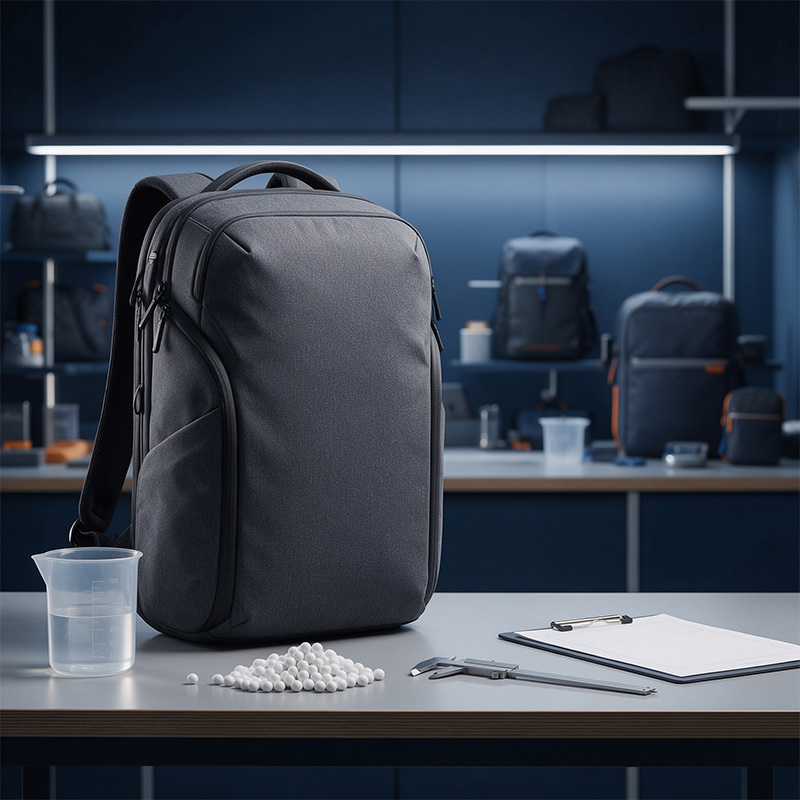
ישנן שתי שיטות נפוצות למדידת קיבולת תרמיל: הערכת נפח גיאומטרית ומבחן המילוי ASTM F2153. בשלב התכנון, ניתן להשתמש בנוסחה הגיאומטרית (אורך פנימי × רוחב × עומק ÷ 1,000, כפול גורם תיקון תבנית במידת הצורך) כדי להעריך את הקיבולת המקסימלית. לצורך אישור דגימות ותיוג קיבולת ייצור, הקיבולת הלא מורחבת שנמדדה באמצעות מבחן המילוי ASTM F2153 משמשת בדרך כלל כבסיס.אומדן גיאומטרי מתאים ביותר לתיקים מובנים בעלי צורות קבועות לצורך תכנון ראשוני של החלל. יישום שיטה זו ישירות על תרמילים תפורים בדרך כלל גורם להערכת יתר של הקיבולת. בדיקת המילוי משתמשת בכדורי פלסטיק קשיחים בקוטר של 20 מ"מ כדי למלא את כל התאים הסגורים; לאחר מכן הכדורים מועברים למיכל מדידה מכויל כדי לקבוע את הנפח. ניתן להשתמש בתוצאה בחוזי רכישה, חבילות טכניות, קריטריוני בדיקה ותיוג קיבולת מוצרים. לייצור שקיות בהתאמה אישית, ציון שיטת המדידה, התאים הכלולים והסבילות לצד ערך הקיבולת מסייע ביישור קריטריוני הקבלה בין קונים לספקים.תוֹכֶן הָעִניָנִיםⅠ. מדוע תרמילים בעלי קיבולת מסומנת זהה יכולים להיות בעלי נפחים בפועל שוניםⅡ. אומדן נוסחאות גיאומטריותⅢ. בדיקת מילוי ASTM F2153Ⅳ. המלצות מעשיות לפרויקטים של תרמילים מקוריים (OEM)Ⅴ. שאלות נפוצות (FAQ)סיכום Ⅰ. מדוע תרמילים בעלי קיבולת מסומנת זהה יכולים להיות בעלי נפחים בפועל שונים 1. קיבולת תרמיל הגב אינה בעלת תקן תיוג חובה אחיד ברחבי העולםבניגוד למידת נעליים או משקל בד, קיבולת תרמיל הגב אינה כפופה לכלל תיוג חובה אחיד ברמה עולמית. מוצרים המסומנים כ-30 ליטר ניתנים למדידה באמצעות ארבע שיטות נפוצות בתעשייה, מה שמניב תוצאות שונות של נפח שמיש.שיטת מדידהמה נמדדתוצאה אופייניתהערותהכפלת מידות חיצוניותאורך חיצוני × רוחב × גובה התיקסביר להניח שזה מוגזםסופר מבני בד, ספוג ומבני פאנלים אחוריים כנפח; לא מתאים לקיבולת המסומנת.תא ראשי בלבדחלל התא הראשי הסגור הגדול ביותרשַׁמְרָנִישטח השימוש הנתפס עשוי לעלות על הערך המסומן, אך ההיקף מוגבל וההשוואות פחות משמעותיות.הוסף את כל הכיסים הסגוריםתא ראשי, כיסים עם רוכסן וכיסים סגורים מכוסיםיותר דומהקרוב יותר להיגיון של ASTM F2153; יש להסכים מראש האם כיסים פתוחים כלולים.לקדם קיבולת מורחבתקיבולת עם רוכסן הגליל או הרוכסן הרחבה פתוחים במלואםמייצג רק מצב מורחב מקסימליהנפח נמוך יותר במצב סגור בדרך כלל; חלק מהמזוודות המורחבות עשויות לחרוג ממגבלות כבודת היד של חברת התעופה. 2. הסיבות העיקריות להבדלים באותה קיבולת מתויגתעבור תיק גב יומי המסומן בנפח 30 ליטר, חישוב המידות החיצוניות כולל את השטח שתפוס על ידי הפאנל האחורי ומבנה רצועת הכתף. תחת מבחן המילוי ASTM F2153, רק תאים סגורים נספרים; כיסי רשת לבקבוקי מים וכיסי חזית פתוחים אינם נכללים. כתוצאה מכך, הקיבולת הנמדדת שלא הורחבה עשויה להיות רק 24-25 ליטר.הבדלים כאלה בדרך כלל אינם פגמי ייצור. הם נובעים בעיקר משיטות מדידה שונות ומגבולות של מה שנכלל. 3. יש להתאים את הקיבולת למצב השימוש המיועדניתן לדווח על קיבולת כקיבולת לא מורחבת וקיבולת מורחבת. קיבולת לא מורחבת מתייחסת לתיק במצב סגור בדרך כלל, לשימוש יומיומי. קיבולת מורחבת היא הנפח המרבי הזמין כאשר תיק פתוח לחלוטין או רוכסן מתרחב פתוח לחלוטין.גיליון מפרט המפרט רק ערך קיבולת אחד אינו מזהה בבירור את מצב השימוש המיועד ומקשה על קבלת החלטות בדיקה. עבור תיקים עם רוכסנים מתרחבים ותיקים עם רוכסנים, יש לוודא גם את המידות החיצוניות של התיק כשהוא טעון במלואו כדי לקבוע אם הוא עומד במגבלות גודל כבודת יד. Ⅱ. אומדן נוסחאות גיאומטריות 1. נוסחה בסיסית ויחידותנוסחה גיאומטרית כללית המשמשת בפיתוח OEM של תרמילים היא:קיבולת (ליטר) = אורך פנימי (ס"מ) × רוחב פנימי (ס"מ) × עומק פנימי (ס"מ) ÷ 1,000דוגמה: עם מידות פנימיות של 50 × 30 × 20 ס"מ, הקיבולת התאורטית היא 50 × 30 × 20 ÷ 1,000 = 30 ליטר.הנוסחה משתמשת בסנטימטרים ומחזירה ליטרים, בהתבסס על 1 ליטר = 1,000 סמ"ק. עבור השוק בצפון אמריקה, הקיבולת עשויה להיות מוצגת גם באינצ'ים מעוקבים; 1 ליטר ≈ 61.024 אינץ' מעוקב. 2. שימושים מתאימים בנוסחה הגיאומטרית• הנדסה הפוכה של ממדי יעד במהלך תכנון הקונספט: הקצאת ממדים שמישים פנימיים בהתבסס על קיבולת היעד לתמיכה בפיתוח תבנית ובנייה.• הערכה מהירה של טווח קיבולת במהלך בירורים ראשוניים: כאשר אין דגימה פיזית זמינה, השתמשו במידות חיצוניות כדי לבצע הערכה ראשונית של קטגוריית המוצר ולתמוך בהצעת מחיר ובהערכה של התהליך.• תכנון המרחב הפנימי לפני הדגימה: הקצאת מרחב בין התא הראשי, תא המחשב הנייד והכיסים הקדמיים, תוך שימוש בתוצאה כנקודת ייחוס תיאורטית לגבול העליון. 3. מדוע הנוסחה הגיאומטרית יכולה להיות לא מדויקת עבור תרמילים תפורים• התיק אינו פריזמה מלבנית מושלמת: תרמילי יום המתחדדים לכיוון החלק העליון, תיקי גלילה, תיקי דש ותרמילי גב עם פרופילי תלייה מעוקלים הם בעלי צורות לא סדירות שלא ניתן לייצג במדויק באמצעות פריזמה מלבנית.• בד, ספוג ורכיבי מתלה מפחיתים את הנפח השמיש: שרוולי המחשב הנייד, פאנלים אחוריים ומבני עיגון לרצועות הכתף תופסים מקום בתוך הפרופיל החיצוני של התיק.• כללי ספירת הכיסים משתנים: חישובי מידות חיצוניות עשויים לכלול כיסים צדדיים וקדמיים, בעוד שבדיקות מילוי סטנדרטיות סופרות תאים סגורים בלבד ואינן כוללות כיסי רשת פתוחים.• מרווחי תפר ועובי בטנה מפחיתים את השטח השמיש: מרווחי תפירה, בטנה וחומרי חיזוק מפחיתים את הנפח הפנימי האפקטיבי.מסקנה: הנוסחה הגיאומטרית היא כלי סינון עיצובי להערכת נפח מקסימלי תיאורטי; אין להשתמש בה ישירות כקיבולת המסומנת של תרמיל גב תפור. התוצאות מדויקות יותר עבור תיקי בד מלבניים ותיקי נסיעה פשוטים. עבור תרמילים, תיקי חוץ טכניים וסגנונות עם תאים מורכבים מרובים, קבלת הקיבולת צריכה להתבסס על מבחן מילוי. 4. הערכה בשלב מוקדם לפני דגימה: גורמי תיקון דפוסיםבמהלך הפיתוח המוקדם, לפני שדגימה פיזית זמינה, גורם תיקון תבנית יכול לסייע בצמצום הפער בין הקיבולת התאורטית לקיבולת הנמדדת. הנוסחה המתוקנת היא:קיבולת משוערת (ליטר) ≈ [אורך פנימי × רוחב פנימי × עומק פנימי (ס"מ) ÷ 1,000] × קילו-ג'אולבחרו K בהתאם לסדירות צורת השקית. הטווחים שלהלן מבוססים על מאגרי מידע של תבניות וניסיון בתעשייה והם להערכות עיצוב בלבד - לא לתיוג קיבולת רשמי. יש לכייל את ההערכה בסופו של דבר מול בדיקת מילוי ASTM.בניית תיקגורם תיקון ייחוסהערותתרמיל עסקי קופסה0.80–0.85צורה רגילה עם יעילות שטח גבוהה.תיק גב סטנדרטי ליום0.75–0.80צורה מעוקלת מעט ומקום תפוס על ידי תאים.תיק טיולים חיצוני (פאנל אחורי פנימי עם מסגרת אלומיניום)0.70–0.75מערכת המתלים תופסת נפח פנימי גדול יותר.תיק גלילי0.72–0.78דפנות צד מעוקלות מפחיתות את הנפח השמיש.תרמיל גב עם רול-טופ0.65–0.75מקטע הסגירה המגולגל אינו נכלל בקיבולת האפקטיבית.תיק גב מחודד, צר יותר בחלקו העליון0.70–0.78החתך המחודד הופך את החלל העליון לפחות יעיל.דוגמה: לתיק יום סטנדרטי עם מידות פנימיות של 45 × 30 × 18 ס"מ יש נפח תיאורטי של 24.3 ליטר. שימוש בגורם תיקון של 0.78 נותן קיבולת משוערת של כ-19 ליטר; בדיקת מילוי לאחר מכן תניב בדרך כלל כ-18-20 ליטר.מגבלה חשובה: גורמי תיקון אינם ניתנים להעברה אוניברסלית בין מפעלים או דוגמאות. אם משקל הבד או מבנה הבטנה משתנים, יש לבדוק מחדש את השקית ולכייל מחדש את K. בתקשורת טכנית חיצונית, יש לתייג נתון זה כ"הערכה תכנונית", ולא כקיבולת המסומנת החוזית. Ⅲ. בדיקת מילוי ASTM F2153 1. סקירה כללית והיקף סטנדרטייםתקן נפוץ בתעשייה לבדיקת קיבולת תרמיל גב הוא ASTM F2153, "שיטת בדיקה סטנדרטית למדידת קיבולת תרמיל גב". זוהי שיטת בדיקה וולונטרית שנועדה לקבוע כללי מדידת קיבולת עקביים וניתנים להשוואה בין מותגים, מפעלים וצוותי בדיקה.עקרונות מרכזיים: דווח על קיבולת לא מורחבת וגם על קיבולת מורחבת; ספירת תאים סגורים בלבד; אל תכלול כיסים פתוחים מרשת לבקבוקי מים, כיסים קדמיים פתוחים וכיסי דחיסה פתוחים. התקן אינו חל בדרך כלל על תיקים קטנים מתחת ל-4 ליטר. תיקי צד מיני, תרמילי מותן וארגוניות קטנות אינם צריכים להיות מתויגים בליטרים; אם מסופק ערך קיבולת, יש לציין את שיטת הבדיקה הפשוטה החלופית בה נעשה שימוש. 2. נוהל מילוי וקריאת נפח סטנדרטישָׁלָבנוֹהָלנקודת בקרה1. הכן את מדיית הבדיקההשתמשו בכדורי פלסטיק קשיחים אחידים בקוטר של 20 מ"מ, בדרך כלל PP או PS.חרוזי ופולים של קצף מיועדים לבדיקות פנימיות גסות בלבד; הם נדחסים או שוקעים ויש להם חזרתיות נמוכה. אין להשתמש בהם לסימון קיבולת רשמי.2. מלאו את כל התאים הסגוריםמלאו את התא הראשי וכל כיס עם רוכסן. עבור תיקים עם רוכסן, מלאו עד למספר הגלילים המוסכם תוך הקפדה על סגירה תקינה. סגרו את הרוכסנים לאחר המילוי מבלי למשוך אותם חזק.אין להשמיט תאים סגורים. אין לכלול את כל הכיסים הפתוחים.3. השתמשו בהליך שיקוע עקבינערו בעדינות את השקית כך שהכדורים ישקעו באופן טבעי. הליך נפוץ הוא שלושה נעצוצים עדינים, כ-10 שניות כל אחד.אין ללחוץ או לדחוס במכוון את השקית כדי לנפח את הקריאה.4. העבירו את הכדורים לכלי מדידה מכוילהעבירו את כל הכדורים למיכל מדורג מכויל על ידי מדידת נפח מים. ערבבו בעדינות עד שהכדורים יתייצבו, לאחר מכן רשמו את הנפח. ניתן למדוד תרמילים גדולים במספר מנות ולחבר את הקריאות יחד.יש לכייל את ציוד המדידה עם מים מעת לעת ולשמור את רישומי הכיול.5. חזור על הבדיקה וחשב את ממוצע התוצאותבצעו לפחות שתי בדיקות בלתי תלויות. אם התוצאות שונות ביותר מ-1-2 ליטר, ייתכן שהליכי המילוי או השקיעה לא היו עקביים; חזרו על הבדיקה.השתמש באותם כדורים וציוד מדידה עבור בדיקות ראשונות, בדיקות בקו הביצוע ובדיקות אחרונות. 3. מגבלות התקן וקשרו לגיליונות המפרטASTM F2153 הוא תקן התנדבותי ואינו חובה מבחינה חוקית. רשימות מוצרים קמעונאיות רבות משמיטות גם את שיטת הבדיקה. ערך הבדיקה הוא בכך שהיא מאפשרת להגדיר את מדיית המילוי, ציוד המדידה, התאים הכלולים והסבולות בגיליון המפרט. אם רשום רק מספר קיבולת ללא פרטי בדיקה, לא ניתן להשוות באופן מהימן את התוצאות משלבים שונים. 4. כאשר ציוד מעבדה מלא אינו זמין: שיטות מדידה פשוטותלא בכל אתר בדיקה יש מספיק כדורי פלסטיק סטנדרטיים ומכלי מדידה מכוילים. ניתן להשתמש בשיטה פשוטה יותר במהלך הדגימה, אך גיליון המפרט חייב לציין שהיא שונה מ-ASTM F2153.תַרחִישׁשיטה פשוטההערותתאים של 4 ליטר או יותרמלאו בכדורי פלסטיק בקוטר 20 מ"מ או בפולי פולי יבשים אחידים, לאחר מכן מדדו באמצעות כוס מדידה של 1 ליטר והוסיפו את הקריאות.פולים הם לעיון פנימי בלבד; כדורי פלסטיק קשיחים עדיפים לסימון רשמי של הקיבולת.תאים מתחת ל-4 ליטרמכיוון שכדורים קטנים נערמים עם שגיאה גדולה יותר, יש לשקול תחילה את חומר המילוי ולהמיר אותו לנפח באמצעות יחס מוגדר במידת הצורך.ציין בתיעוד: "לא הנוהל הסטנדרטי ASTM F2153".תיקים מעוקלים או מחודדיםמלאו את הסעיפים האנכיים והוסיפו את הקריאות מכל סעיף.חישוב יחיד של פריזמה מלבנית יעריך יתר על המידה את הקיבולת של שקיות מחודדות.תיקי גב עם תאים מרוביםמלאו ומדדו כל תא סגור בנפרד, לאחר מכן סכמו את התוצאות; רשמו בנפרד כיסים פתוחים כלא כלולים.שמרו רישומים נפרדים כדי למנוע בלבול לגבי מה כלול.חשוב: אין להשוות ישירות ערכי קיבולת המתקבלים באמצעות שיטות מדידה שונות. Ⅳ. המלצות מעשיות לפרויקטים של תרמילים מקוריים (OEM) 1. שדות קיבולת מומלצים עבור גיליונות מפרטכדי להפחית את הסיכון של קיבולת שונה מהציפיות של מוצר מוגמר, יש לכלול את ששת הפריטים הבאים בסעיף הקיבולת בגיליון המפרט:שָׂדֶהניסוח מומלץמַטָרָהשיטת מדידה"בדיקת מילוי ASTM F2153 באמצעות כדורי PP בקוטר 20 מ"מ" / "מחושב ממידות חיצוניות; התייחסות עיצובית בלבד."מזהה את השיטה המשמשת לקביעת קיבולת.קיבולת לא מורחבתקיבולת בליטרים במצב סגור בדרך כלל.תואם לשימוש טיפוסי ותווית המוצר.קיבולת מורחבתקיבולת בליטרים כאשר רוכסן ההרחבה פתוח לחלוטין או שכבת הגג הגלגולית פתוחה לחלוטין.מבדיל בין נפח מורחב מקסימלי.תאים כלולים"כולל את התא הראשי ואת כל הכיסים עם הרוכסן; לא כולל כיסי רשת לבקבוקי מים וכיסי אחסון קדמיים פתוחים."מסיר אי-בהירות לגבי אילו כיסים נחשבים.יחידותרשום L ו-cu יחד וציין את ההמרה.תומך בהעדפות קריאה בשווקים מערביים שונים.סוֹבלָנוּתהסכמה על סבילות לפי טווח קיבולת; השתמשו באותה שיטת בדיקה בעת שיפוט תאימות.קובע טווח קבלה סביר לבדיקה. 2. ניסוח לדוגמה לגיליון מפרטקיבולת: 28 ליטר ללא נפח (כ-1,709 אינץ' מעוקב) / 34 ליטר ללא נפח (כ-2,075 אינץ' מעוקב), נמדד באמצעות מבחן המילוי ASTM F2153 עם כדורי פלסטיק PP בעובי 20 מ"מ. כולל את התא הראשי ואת כל הכיסים עם רוכסן; לא כולל כיסי רשת לבקבוקי מים וכיסי אחסון קדמיים פתוחים. סבילות: ±1.5 ליטר. יש לרשום את רישום הבדיקה עם מסמכי אישור הדגימה הראשוניים. 3. סובלנות מוצעות וניסוח חוזיםטווח קיבולתסבילות מוצעתהערות יישוםמתחת ל-20 ליטר±1 ליטרשקיות קטנות רגישות לעיצוב התאים והפתיחה; יש לשלוט בתנאי הבדיקה.20–40 ליטר±1.5–2 ליטרמגוון נפוץ של תרמילי יום ותרמילי גב למחשב נייד לעבודה.תיקי נסיעות גדולים מעל 40 ליטר±2–3 ליטרהשונות בבדיקת המילוי עשויה להיות גדולה יותר עבור שקיות גדולות; מומלץ לחזור על בדיקות נוספות.מוצרים קמעונאיים עם בקרות מחמירות±3%, או להסכים ש"הקיבולת המסומנת לא תעלה על הקיבולת הנמדדת שלא הורחבה".מתאים לתוכניות קמעונאיות חוצות גבולות המבוקרות בקפידה.הערה: קריטריוני הסבילות חייבים להתאים לשיטת בדיקת הקיבולת. לא ניתן להשתמש בסבילות שנקבעה באמצעות מידות חיצוניות כדי לשפוט תוצאות מבדיקת מילוי. 4. פערים נפוצים הקשורים לקיבולת בפיתוח תרמילים בהתאמה אישיתסוג הפערהֶסבֵּראמצעי בקרהכולל כיסים פתוחים בקיבולת המסומנתשיטת הספירה שונה מזו של ASTM ויכולה להניב נתונים לא עקביים.יש לפרט בבירור את הכיסים הכלולים והלא כלולים בגיליון המפרט.פרסום בלבד הרחיב את הקיבולתאינו משקף את הנפח במצב סגור רגיל של המוצר.לספק קיבולת לא מורחבת וקיבולת מורחבת כאחד.שימוש ישיר במידות חיצוניות עבור תרמילים תפוריםספוג, פאנלים אחוריים ובטנה תופסים מקום, ולכן הערך המחושב גבוה.השתמשו בבדיקת מילוי כבסיס לקיבולת המסומנת; השתמשו במידות החיצוניות רק כהפניה משלימה.שימוש בערך קיבולת אחד עבור כל גדלי הסגנוןמבני התבנית והתלייה משתנים לפי גודל, ומשפיעים על הנפח.בדקו כל גודל בנפרד.בדיקת הדגימה הראשונה בלבד, ללא בדיקת ייצור חוזרתהתאמות גזרה, שינויי בטנה ותיקוני כיסים יכולים לשנות את הקיבולת.בדקו את דגימת הייחוס שאושרה ואת יחידות ניסוי הייצור.ערבוב יחידות מטריות ואימפריאליות ללא תוויותיכול להוביל לפרשנות שגויה של הקריאות.רשום גם L וגם cu במסמכים טכניים, כאשר היחידה העיקרית מתאימה לשוק היעד. 5. נקודות מפתח בעת השוואת דגימות מרובותייתכן ששני מוצרים המסומנים באותה קיבולת לא יפעלו באותה מידה בטעינה בפועל. השוו מידות חיצוניות, מידות השימוש הפנימיות של התא הראשי, עיצוב הפתיחה ותמונות של התיק כשהוא טעון. גם כאשר שניהם מסומנים ב-30 ליטר, אריזה קופסתית ואריזה מחודדת עשויות להכיל צורות שונות של פריטים.עבור תרמילי נסיעות ותרמילי בית ספר, קיבולת היא רק שיקול אחד. תיקים עם מכסה מתקפל מתאימים יותר לפריטים שטוחים, בעוד שתיקים עם מכסה מתקפל עם נפתח מלמעלה מציעים דחיסה טובה אך יכולים להקשות על הגישה לפריטים הנמצאים עמוק בתוך התיק. לקבלת הערכה מלאה יותר, כללו את הקיבולת, מידות הפנימיות של התא הראשי, סוג הפתח ומידות חיצוניות עם טעינה מלאה בגיליון המפרט. 6. מתי לבצע בדיקות קיבולתקבעו את קו הבסיס של הקיבולת במהלך אישור הדגימה הראשונית. לאחר השלמת הדגימה הראשונה, בדקו את הקיבולת בשיטה המוסכמת. לאחר אישור הפרמטרים, רשמו אותם בחבילת התכנון ובמסמכי הרכש לפני תחילת הייצור ההמוני.במהלך הבדיקה, יש להשתמש באותם מפרטי כדור, ציוד מדידה ותהליך שיקוע כמו עבור הדגימה שאושרה, ולהעריך את התוצאות מול הסבולת המוסכמת. 7. רישומי קיבולת ותיעוד תאימותבדיקת קיבולת היא פעילות של מפרט טכני והיא נפרדת מבדיקה כימית של חומרים. עם זאת, יש לאחסן רשומות קשורות יחד לצורך עיון קל.אם מוצר מתויג כמוצר העשוי מבד ממוחזר, הצהרות החומר צריכות להתאים לתיעוד הרלוונטי של GRS, GOTS או OEKO-TEX. תרמילי גב לילדים הנמכרים בארצות הברית חייבים לעמוד גם בתקנים הרלוונטיים. CPSIA דרישות. פער מהותי בין הקיבולת המסומנת לקיבולת הנמדדת עלול ליצור סיכון לפרסום מטעה בשווקים בארה"ב ובאירופה. יש לאחסן רישומי בדיקות קיבולת ותעודות תאימות בחבילה הטכנית כדי שניתן יהיה לאחזר אותם לצורך ביקורות מפעל של לקוחות וסקירות שוק. Ⅴ. שאלות נפוצות (FAQ) שאלה 1: האם קיבולת התרמיל נמדדת במדויק על ידי הכפלת אורך × רוחב × גובה וחלוקה ב-1,000?נוסחה זו מעריכה רק את הגבול העליון התאורטי. היא סופרת מבני בד, ספוג ופאנל גב כנפח ולכן בדרך כלל מעריכה יתר על המידה את השטח השמיש בתרמילים תפורים. הפער קטן יותר עבור תיקי בד מלבניים ותיקי נסיעות פשוטים. עבור תרמילים, תרמילי חוץ וסגנונות עם תאים מרובים, קבלת הקיבולת צריכה להתבסס על מבחן המילוי ASTM F2153. גורם תיקון תבנית יכול לתמוך בהערכות דגימה מוקדמות, אך התוצאה היא לעיון פנימי בלבד ואין להשתמש בה כקיבולת הרשמית המסומנת. שאלה 2: מהו ASTM F2153? האם מפעלים נדרשים להשתמש בו?ASTM F2153 היא שיטת בדיקה וולונטרית למדידת קיבולת תרמיל גב; היא אינה חובה מבחינה חוקית. ההליך המרכזי הוא למלא את כל התאים הסגורים בכדורי פלסטיק קשיחים בקוטר 20 מ"מ, להעביר את הכדורים למיכל מדידה מכויל, ולרשום את הקיבולת הלא מורחבת והמורחבת. כיסים פתוחים לבקבוקי מים וכיסי אחסון פתוחים אינם כלולים. הקונה והספק צריכים להסכים האם להשתמש בשיטה בתיעוד הטכני; לאחר שהוסכם עליה, היא הופכת לבסיס לקבלה. שאלה 3: מדוע מפעל מתייגר על תרמיל גב כ-30 ליטר כאשר תוצאת בדיקת המילוי היא רק 25 ליטר?זה בדרך כלל נובע מהבדלים בשיטות המדידה - לדוגמה, שימוש במידות חיצוניות או הכללת כיסים פתוחים בחישוב. הבדל של כ-20% בין הקיבולת המסומנת של תיק יום לבין תוצאת בדיקת המילוי ASTM שלו אינו יוצא דופן בתעשייה. קונים וספקים יכולים לבסס בסיס עקבי לקבלה על ידי הסכמה מראש על שיטת הבדיקה, כללי הכללת הכיסים וטווח הסבילות בגיליון המפרט. שאלה 4: כיצד יש להגדיר סבולות בגיליון מפרט, ואילו יחידות יש להשתמש?עבור שקיות מתחת ל-20 ליטר, מוצעת סבילות של ±1 ליטר; עבור 20-40 ליטר, ±1.5-2 ליטר; ועבור שקיות גדולות מעל 40 ליטר, ±2-3 ליטר. עבור תוכניות קמעונאיות מבוקרות בקפדנות, ניתן לצמצם את הסבילות ל-±3%, או שהצדדים יכולים להסכים כי "הקיבולת המתויגת לא תעלה על הקיבולת הנמדדת שלא הורחבה". יש להשתמש באינצ'ים מעוקבים (אינץ' מעוקב) לצד ליטרים עבור צפון אמריקה, בעוד שבאירופה ליטרים עדיפים בדרך כלל. המרה: 1 ליטר ≈ 61.024 אינץ' מעוקב. שאלה 5: כיצד יש לבדוק את הקיבולת של תיקים קטנים מתחת ל-4 ליטר, תיקי מותן וארגוניות?ASTM F2153 בדרך כלל אינו חל על שקיות מתחת ל-4 ליטר. שיטה פשוטה יכולה להשתמש בכוס מדידה מכוילת, שעועית יבשה אחידה, או המרה ממשקל לנפח. גיליון המפרט חייב לציין שהשיטה "אינה הנוהל הסטנדרטי של ASTM F2153". כדורים קטנים יכולים להיערם בצורה לא עקבית בתאים קטנים, לכן יש לטעון בזהירות לגבי קיבולת חיצונית עבור שקיות קטנות. שאלה 6: האם אורז או שעועית יכולים להחליף כדורי פלסטיק סטנדרטיים?ניתן להשתמש בהם לבדיקות פנימיות גסות, אך נתוני קיבולת המשמשים בחוזים, גיליונות מפרט או תוויות מוצרים לא צריכים להתבסס על אורז או שעועית. גרגרים שוקעים תחת לחץ, והתוצאות משתנות בין מפעילים ואצוות, מה שהופך את חזרתיות לקויה. לבדיקות פורמליות, השתמשו בכדורי PP/PS קשיחים בקוטר 20 מ"מ ובציוד מדידה מכויל. שאלה 7: עבור תרמיל גב עם גג מתגלגל, כמה גלילים נחשבים למצב לא מורחב תחת ASTM F2153?תקן ASTM F2153 אינו מחייב מספר ספציפי של קיפולים בגליל, דבר שיכול להוביל לחילוקי דעות עבור סגנון זה. על הקונה והספק להסכים בכתב בחבילה הטכנית על מספר הקיפולים המשמשים לסגירה רגילה (בדרך כלל 2-3 גלילים בתעשייה). יש למלא את השקית עד למספר הגלילים המוסכם ולאשר שהיא נסגרת כרגיל ללא מתיחת בד; יש לרשום זאת כקיבולת לא מורחבת. הקריאה כאשר הגליל פתוח לחלוטין היא הקיבולת המורחבת. סיכוםהחל משימוש באומדנים גיאומטריים לתמיכה בתכנון מוקדם של תבניות, ועד לקביעת קיבולת מתויגת באמצעות בדיקות מילוי ASTM F2153, ולאחר מכן ציון שיטת הבדיקה, התאים הכלולים והסבולות במונחים טכניים ברורים, מערכת הערכת קיבולת ניתנת לאימות היא מרכזית לניהול קיבולת השקיות. קריטריונים עקביים עוזרים לבעלי עניין בפרויקט להימנע מאי הבנות לגבי מפרטים. כיצרן שקיות מקצועי, אנו יכולים לתמוך בדרישות טכניות הקשורות לקיבולת ולסייע ביישור מפרטי הפרויקט עם הסטנדרטים המוסכמים. אנא צרו קשר אם אתם זקוקים לסיוע. מְחַבֵּר
ראה עוד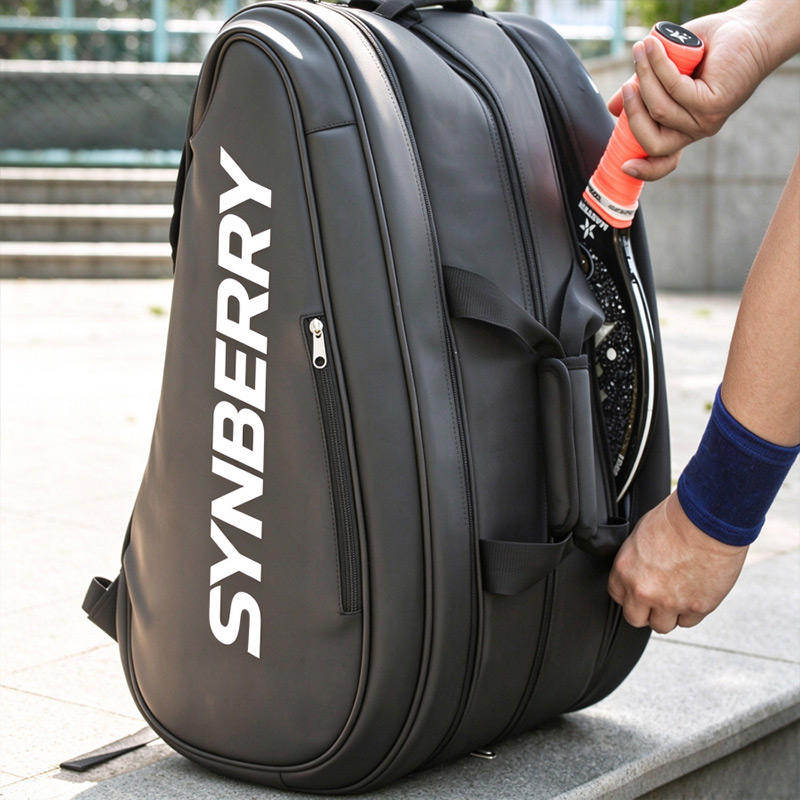
תיק פיקלבול איכותי צריך לעמוד בארבעה סטנדרטים מרכזיים: סידור תאים שתוכנן מדעית, מערכת נשיאה נוחה, איכות עבודה גבוהה וחומרים עמידים ועמידים במים. רק כאשר כל ארבעת האלמנטים משולבים, תיק פיקלבול באמת יכול להיחשב טוב.תוֹכֶן הָעִניָנִים:עיצוב תא מדעימערכת נשיאה נוחהאומנות איכותיתחומרים עמידים ועמידים במיםהמלצות להתאמה אישית עבור מותגיםשאלות נפוצות על התאמה אישית של תיקי Pickleballמַסְקָנָה 1. עיצוב תא מדעיפני מחבט פיקלבול עשויים בעיקר מחומרים מרוכבים מסיבי פחמן או פיברגלס, אשר רגישים ללחץ, שריטות וחשיפה ממושכת לטמפרטורות גבוהות ולאור שמש ישיר. לכן, תא ייעודי למחבט הוא מאפיין חיוני של תיק פיקלבול טוב.באופן ספציפי, תא משוטים מצוין צריך לכלול את התכונות הבאות:תא משוט מעובה ומבודד: תא המשוט הייעודי צריך לכלול שכבת ריפוד מעובה מ-EVA או כותנה פנינה כדי לספוג פגיעות בעת נפילת או סחיטת התיק. בנוסף, ריפוד בידוד תרמי של נייר אלומיניום יכול לעמוד ביעילות בטמפרטורות חיצוניות גבוהות ולסייע במניעת עיוות פני המשוט הנגרם מחשיפה ממושכת לאור שמש ישיר.תא ראשי בעל קיבולת גדולה: התא הראשי צריך לספק מספיק מקום כדי להכיל את כל הציוד החיוני הדרוש לאימונים או תחרויות יומיומיות, כגון בגדים, מגבות, בקבוקי מים ופריטים אחרים.כיס כדורים לגישה מהירה: הוסיפו תא רשת או אלסטי ייעודי בתוך התא הראשי לאחסון כדורי חמוץ. כיס הכדורים הנפרד והגישה המהירה שומר על כדורים מופרדים פיזית מהבגדים, ועוזר לשמור על ניקיון וארגון הציוד. זה גם מאפשר לשחקנים גישה מהירה לכדורים רזרביים במהלך חימום או בין משחקים מבלי לחפש בכל התא הראשי, מה שמשפר את היעילות הכוללת ואת חוויית המשתמש.תא נפרד ומאוורר לנעליים: מבודד מהתא הראשי, מונע נעליים רטובות או מלוכלכות מלכלך את הכדורים והבגדים תוך כדי שהוא מסייע בהפחתת ריחות לא נעימים. זהו מאפיין מפתח המבדיל תיק מקצועי לנעליים מתיק ספורט רגיל.כיסים קטנים מרובים: נועדו לאחסון פריטים אישיים ואביזרים כגון טלפונים ניידים, מפתחות, ידיות אחיזה, ציוד מגן ומגבות.כיס חפצי ערך נסתר: כולל פנים רך ומרפד זמש לאחסון בטוח של חפצי ערך הרגישים לשריטות. 2. מערכת נשיאה נוחהתיקי פיקלבול מגיעים בדרך כלל בשלושה סגנונות נשיאה: תרמילים, תיקי כתף/crossbody, ותיקים נפתחים שניתן לשאת ביד או ללבוש כתרמילים. תרמיל גב: אידיאלי לנשיאת מספר משוטים וסט ציוד מלא, המאפיינים העיקריים שלו טמונים בעיצוב רצועות הכתף והפאנל האחורי. רצועות הכתף של תרמיל גב איכותי צריכות להיות רחבות ועבות, ממולאות בקצף בצפיפות גבוהה, ומכוסות בבד רשת נושם כדי לפזר לחץ על הכתפיים ולקדם זרימת אוויר, למנוע הצטברות חום מוגזמת וסימני לחץ במהלך שימוש ממושך. פאנל הגב צריך לשלב שכבת תמיכה מכותנת פנינה EVA או PE כדי למנוע ממנו להתעוות או להתמוטט תחת עומסים כבדים. הוא צריך גם להתאים לעקמומיות הטבעית של עמוד השדרה, ולספק תמיכה יציבה ואמינה.תיקי כתף או תיקי צד: תיקים אלה שמים דגש על קלות משקל, נוחות וגמישות, מה שהופך אותם לאידיאליים לאימונים קצרים או למצבים בהם נדרשת רק כמות קטנה של ציוד. רצועת הכתף צריכה להיות רחבה מספיק כדי למנוע החלקה, בעוד שכרית הכתף צריכה לשלב שכבת ריפוד כדי להפחית את העומס של נשיאת משקל על כתף אחת. רצועת כתף מתכווננת מאפשרת למשתמשים בגבהים שונים למצוא התאמה נוחה.תיק גב ותיק גב ניתנים להמרה: עבור משתמשים המעריכים גמישות, תיק גב ותיק גב ניתנים להמרה מציעים גמישות רבה יותר. תיק מסוג זה כולל בדרך כלל ידית עליונה מחוזקת לנשיאה נוחה למרחקים קצרים או להנחת התיק ברכב, כמו גם ידית צד מרופדת שנועדה להפחית את הלחץ על היד ולמנוע אי נוחות בעת נשיאת התיק.כאשר מערכת הנשיאה מומרת למצב תרמיל גב, רצועות הכתף הנסתרות צריכות להיות קלות לשליפה ולחיזוק מאובטח, מה שמבטיח חווית נשיאה חלקה בשתי התצורות. ללא קשר לסגנון הנבחר, המטרה הסופית של מערכת הנשיאה היא להבטיח ששחקנים ירגישו בנוח וברוגע בדרכם אל המגרש וממנו. 3. אומנות איכותיתפרטי האומנות קובעים ישירות את חיי השירות ואת המראה והתחושה הכלליים של שקית חמוצים.תפרים: התפרים חייבים להיות חזקים ועמידים, עם מרווח תפרים אחיד ותפרים מסודרים ואחידים. נקודות לחץ מרכזיות, כגון נקודות חיבור לרצועות כתף, בסיסי ידיות וקצוות רוכסנים, יש לחזק בתפרים כפולים או אפילו משולשים, בשילוב עם מוט-נעץ חיזוק לשיפור עמידות בפני קרעים ולמניעת התפרים מלהתפצל או להישבר תחת עומסים כבדים ממושכים.חומרה: בחירת החומרה היא קריטית. רוכסנים צריכים להיות חלקים, עמידים ולהציע רמה מסוימת של עמידות למים, רצוי ממותגים בעלי מוניטין כמו YKK או SBS. משיכות הרוכסן צריכות להיות מתוכננות לאחיזה ותפעול קלים, גם כאשר לובשים כפפות ספורט.אבזמים: יש לבצע בדיקות עייפות על אבזמים כדי להבטיח שהם עמידים בפני סדקים או עיוות גם לאחר הידוק ושחרור חוזרים. בנוסף, יש לסיים את קצוות הבד בצורה מסודרת, ללא חוטים רופפים, והתיק צריך לשמור על צורה מובנית ומוגדרת היטב מבלי לקרוס בקלות, גם כשהוא ריק. פרטים אלה משקפים איכות מקצועית ותשומת לב לפרטים. 4. חומרים עמידים ועמידים במיםפיקלבול משוחק לעתים קרובות בחוץ, שם תיקים עלולים להיחשף לגשם פתאומי או טל בוקר על המגרש. לכן, עמידות הבד למים משמשת כקו ההגנה הראשון בהגנה על הציוד שבפנים. 4.1 בד עיקרי: ניילון לעומת פוליאסטרשקית פיקלבול איכותית צריכה להיות עשויה מניילון בצפיפות גבוהה (כגון 600D ומעלה) או מבד פוליאסטר. חומרים אלה מציעים עמידות מצוינת בפני שחיקה ועמידות בפני קרעים, יחד עם תכונות דוחות מים טובות.ניילון: בהשוואה לשני חומרים נפוצים אלה, ניילון בולט בזכות יחס חוזק-משקל גבוה יותר ועמידות מעולה בפני שחיקה, מה שהופך אותו לבחירה מועדפת עבור שקיות פיקלבול פרימיום. יש לו משטח חלק ומגע רך, אך הוא מגיע במחיר גבוה יחסית.פוליאסטר: פוליאסטר מציע עמידות טובה יותר לקרינת UV ושמירת צבע, מה שהופך אותו לפחות נוטה לדהייה או להתקלקלות לאחר חשיפה ממושכת לאור שמש ישיר. הוא גם זול יותר, מה שהופך אותו לבחירה משתלמת. 4.2 ציפויים עמידים למיםבסיס בד איכותי לבדו אינו מספיק כדי לעמוד בתנאי מזג אוויר קשים. טיפול איטום פני השטח הוא הגורם המרכזי שקובע את ביצועי דחיית המים של תיק. רוב שקיות החמוץ המקצועיות בשוק כיום משתמשות באחד משלושה טיפולים עיקריים: ציפוי DWR (דוחה מים עמיד), ציפוי PU או ציפוי TPU.דחיית מים באמצעות DWR: ציפוי DWR יוצר אפקט של עלה לוטוס על פני השטח של התיק, וגורם לטיפות מים להצטבר ולהתגלגל במהירות במקום לחדור לבד. זה מונע ביעילות ממי גשמים לספוג את הציוד שבפנים.ציפוי PU עמיד למים: ציפוי PU מיושם בדרך כלל על הצד הפנימי של הבד, ויוצר קרום צפוף לאטום למים. הוא לא רק מונע חדירת לחות חיצונית אלא גם משפר את המבנה הכללי של הבד ואת עמידותו בפני קרעים.ציפוי TPU עמיד למים: כאלסטומר פוליאוריטן תרמופלסטי, ציפוי TPU בדרך כלל מודבק על הצד הפנימי של הבד כשכבה דקה או משולב כשכבה נפרדת. בהשוואה לציפוי PU, TPU מציע עמידות מעולה להידרוליזה וגמישות בטמפרטורות נמוכות. אפילו בסביבות קרות ולחות, הוא פחות נוטה להתקלקלות, להתקשות או לסדקים, מה שעוזר לשמור על ביצועי עמידות המים של התיק לאורך זמן. 5. המלצות להתאמה אישית עבור מותגיםאם אתם מתכננים לפתח שקית חמוצים תחת המותג שלכם, ההמלצות הבאות, בשלושה תחומים מרכזיים, יכולות לעזור לכם למצוא את האיזון הנכון בין ביצועי המוצר, העלות וקהל היעד. 5.1 המלצות עיקריות לבחירת בדיםהבד קובע את המראה והתחושה של שקית פיפלבול, את העמידות שלה ואת פוטנציאל התמחור שלה. הטבלה הבאה מספקת המלצות לבחירת בדים על סמך מיקום המוצר.אפשרות בדמפרטים נפוציםחוזק / עמידות בפני שחיקהעמידות בפני UVעֲלוּתמיקום מומלץפּוֹלִיאֶסטֶר600D / 900D★★★☆★★★★☆ (עמיד בפני דהייה)לְמַתֵןדגמים בעלי אוריינטציה לערך, דגמים ברמת כניסה ומוצרים לחשיפה ממושכת לשמש בחוץניילוןניילון בליסטי 600D / 1680D★★★★★ (חזק וקל משקל)★★★ (מומלץ טיפול UV)בינוני עד גבוהדגמים בינוניים עד יוקרתיים ותיקים לשחקנים מקצועייםניילון + ריפסטופ / אקארדניילון משובץ, מרקם חלת דבש★★★★★★★★גָבוֹהַדגמים פרימיום ומותגי מעצביםבד רשת מרוכב (PVC/EVA)500D–1000D★★★★☆★★★☆לְמַתֵןדגמים ותיקים משופרים עמידים למים לשימוש חוף או רב תכליתישיקולי בחירה מרכזיים:עבור דגמים במכירות בנפח גבוה, עדיפו פוליאסטר 600D. הוא מציע עלויות ניתנות לניהול ועמידות צבע טובה, מה שהופך אותו לבחירה פופולרית עבור מוצרים בסיסיים ברמת כניסה.עבור דגמים ברמה בינונית-יקרה, שקלו ניילון בליסטי 1000D או 1680D. חוזקו הגבוה ועמידותו הטובה למים הופכים אותו מתאים לשוק הבינוני-יוקרתי.אפשרויות ידידותיות לסביבה: שקלו ניילון ממוחזר, כגון ECONYL®, או פוליאסטר ממוחזר (RPET), ותמכו באישורים מוכרים בינלאומיים כגון GRS כדי לענות על הביקוש הגובר למוצרים בני קיימא בשווקים האירופיים והצפון אמריקאים. 5.2 המלצות לבחירת קיבולתגדול יותר לא תמיד טוב יותר כשמדובר בקיבולת. הגודל האידיאלי צריך להתאים לתרחישי המשחק ולהרגלי הנשיאה של משתמשי היעד. הטבלה הבאה מספקת המלצות לתכנון קיבולת לפיתוח שקיות פיקלבול מקוריות.קטגוריית קיבולתקיבולת משוטתצורה אופייניתקהל היעדמידות ייחוס (אורך × רוחב × גובה)דגם קל משקל1-2 משוטיםתא ראשי + כיס לכדור + מחזיק בקבוק מים; בדרך כלל אין תא לנעלייםשחקנים מזדמנים ואנשים שמשלבים הליכה עם משחק פיקלבולכ-45 × 20 × 25 ס"מדגם סטנדרטי (מומלץ)2–4 משוטיםתא מרופד לנעלי ספורט + תא ראשי + תא נפרד לנעליים + כיס לכדור + תאים לפריטים קטניםחברי מועדון ליבה ושחקני זוגות קבועיםכ-50 × 25 × 32 ס"מדגם מקצועי בעל קיבולת גדולה4–6 משוטיםתא מרופד למשוט + תא ראשי גדול + תא נפרד לנעליים + כיס לכדור + נרתיק עמיד למיםשחקנים ומאמנים מקצועייםכ-55 × 30 × 38 ס"מדוגמנית טיולים / צוות6 משוטים או יותרתיק בסגנון מזוודה מתגלגלת או תרמיל גב גדול במיוחד עם מערכות חיבור חיצוניותרכישות בכמות גדולה של קבוצות ושחקנים שנוסעים לעתים קרובותכ-60 × 35 × 45 ס"משיקולי בחירה מרכזיים:הדגם הסטנדרטי הוא הפתרון המושלם. תיק המכיל 2-4 מחבטים יכול לשרת מגוון רחב של שחקנים. מותגים המפתחים קו מוצרים חדש של שקיות פיקלבול צריכים לשקול להפוך את התיק הזה לדגם הדגל שלהם.דגמים קלים אידיאליים לרכישת לקוחות או למתנות קידום מכירות. הבנייה הפשוטה שלהם והעלות הנמוכה שלהם הופכים אותם למתאימים כתיקים נלווים לסטים מתחילים או כמתנות זיכרון לאירועי מועדון, מה שמוריד את מחסום הכניסה לשחקנים חדשים.דגמים מקצועיים בעלי קיבולת גדולה צריכים לתת עדיפות ליעילות אחסון ולא רק להוספת מקום נוסף. כדי להתמודד עם האתגר של ארגון ציוד נרחב שנשאים מאמנים ושחקנים מקצועיים, שקלו מחיצות נשלפות או תאים פנימיים מודולריים. תכונות אלו מאפשרות למשתמשים להכיל שילובים שונים של מחבטים ובגדים תוך שמירה על ארגון פנים המגרש.דגמי נסיעות/צוות צריכים לתת עדיפות לתכונות ידידותיות לנסיעות. בנוסף לקיבולת גדולה במיוחד, עליהם לכלול רצועת מטען סטנדרטית ורגליים מגן עמידות בפני שחיקה. תכונות אלו מסייעות לאבטח את תיק החמוצים למזוודה במהלך הסעות משדה התעופה וטיולים למרחקים ארוכים, תוך הפחתת הבלאי בתחתית התיק. 6. שאלות נפוצות: שאלות נפוצות על התאמה אישית של תיקי Pickleball שאלה 1: מה ההבדל בין שק פיקלבול לתיק טניס? האם ניתן להשתמש ביניהם לסירוגין?ניתן להשתמש בהם לסירוגין באופן זמני, אך זה לא מומלץ. מחבטי פיקלבול (באורך של כ-40 ס"מ) קצרים יותר ממחבטי טניס, כך שתאים למחבטי טניס עלולים להשאיר יותר מדי מקום ריק, מה שמאפשר למחבטים לזוז ולהתנגש בפריטים אחרים. תיקי פיקלבול כוללים בדרך כלל גם כיסים ייעודיים לכדורים, מכיוון שכדורי פיקלבול מפלסטיק קשיח עלולים להינזק מלחץ מוגזם, כמו גם תאי נעליים ותאי אחסון נוספים לפריטים קטנים. אם אתם משחקים רק פיקלבול, תיק פיקלבול ייעודי מציע חוויית משתמש טובה משמעותית. שאלה 2: כיצד אוכל לדעת את דירוג העמידות למים של תיק? האם דחיית מים אומרת שהוא עמיד למים?לא. דחיית המים שמספק ציפוי DWR מספיקה בדרך כלל לגשם קל והתזות, אך אזורי הרוכסן עדיין יכולים לאפשר למים לחלחל. להגנה מקיפה יותר מפני מים, התיק זקוק לשילוב של בד מצופה PU/TPU או בד אטום למים למינציה ורוכסנים אטומים למים, כמו אלה בסדרת הרוכסנים העמידים למים של YKK. בעת הקנייה, בדקו האם מפרט המוצר מזכיר גם ציפוי בד וגם רוכסנים אטומים למים. שאלה 3: מדוע תא של מחבט פיקלבול זקוק לבידוד תרמי? האם חום הקיץ באמת יכול לגרום נזק למחבט?כן. מחבטים לחמוציות עשויים מסיבי פחמן או פיברגלס וליבות חלת דבש מפוליפרופילן עלולים לחוות ריכוך של הפנים, התפרקות או שינויים בתחושת המשחק לאחר חשיפה ממושכת לטמפרטורות גבוהות ולאור שמש ישיר. בטנת בידוד תרמי מרדיד אלומיניום יכולה להפחית משמעותית את הטמפרטורה בתוך התיק, מה שהופך אותו לאחד המאפיינים המרכזיים המבדילים שק מקצועי לחמוציות מדגם זול. ש 4: מהי כמות ההזמנה המינימלית (MOQ) האופיינית וזמן ההובלה עבור שקיות חמוצים בהתאמה אישית?מספר ה-MOQ הסטנדרטי של SYNBERRY הוא כ-500 יחידות. זמן ההובלה לדיגום תלוי במורכבות העיצוב והוא בדרך כלל 2-3 שבועות. זמן ההובלה לייצור המוני משתנה בהתאם לכמות ההזמנה ומורכבות הייצור. יש לאפשר זמן נוסף לתהליכים מיוחדים, כגון הדפסה על כל המשטח, פסים מחזירי אור ואבזמים יצוקים בהתאמה אישית. שאלה 5: האם כדאי לי לבחור ניילון או פוליאסטר לשקית פיקלבול? איזה מהם עמיד יותר?שני החומרים עמידים, אך לכל אחד מהם יתרונות שונים. ניילון מספק חוזק רב יותר ומגע טוב יותר עם היד, מה שהופך אותו למתאים למוצרים ברמה בינונית-יקרה. פוליאסטר מציע עמידות טובה יותר לקרינת UV, שימור צבע מעולה ומחיר נמוך יותר, מה שהופך אותו לאידיאלי עבור דגמים חסכוניים המיועדים לחשיפה ממושכת לשמש בחוץ. בחרו בניילון אם התקציב שלכם מאפשר זאת; בחרו בפוליאסטר אם תמורה למחיר היא בראש סדר העדיפויות. 7. סיכוםפיקלבול חווה צמיחה מדהימה בשיעור ההשתתפות העולמי, ותיקי פיקלבול מתפתחים מציוד נלווה לקטגוריית מוצרים ייעודית. עבור מותגי תיקי ספורט, זוהי לא רק הזדמנות להיכנס לשוק מתפתח, אלא גם חלון קריטי ליצירת הכרה מקצועית במותג באמצעות פיתוח מוצרים מעודן יותר.תיק פיקלבול מעולה צריך להיות יותר מאוסף של תאי אחסון. הוא צריך לשקף הבנה מעמיקה של צרכי המשתמש הסופי ולספק מענה מתחשב לציפיותיהם. החל מטכנולוגיית בידוד תרמי המגנה על מחבטים יקרים, דרך סידור תאים המשפר את יעילות הגישה, ועד חומרים עמידים בפני מזג אוויר המיועדים לתנאי חוץ, כל פרט מדגים כבוד לחוויית הספורט של השחקן.מאמר זה נכתב מנקודת מבטו של יצרן שקיות חמוצים, במטרה לספק למותגים המפתחים קווי מוצרים של שקיות חמוצים מדריך מקיף, החל מהבנת צרכי הלקוחות ועד להכנסת המוצרים לייצור. מְחַבֵּר
ראה עוד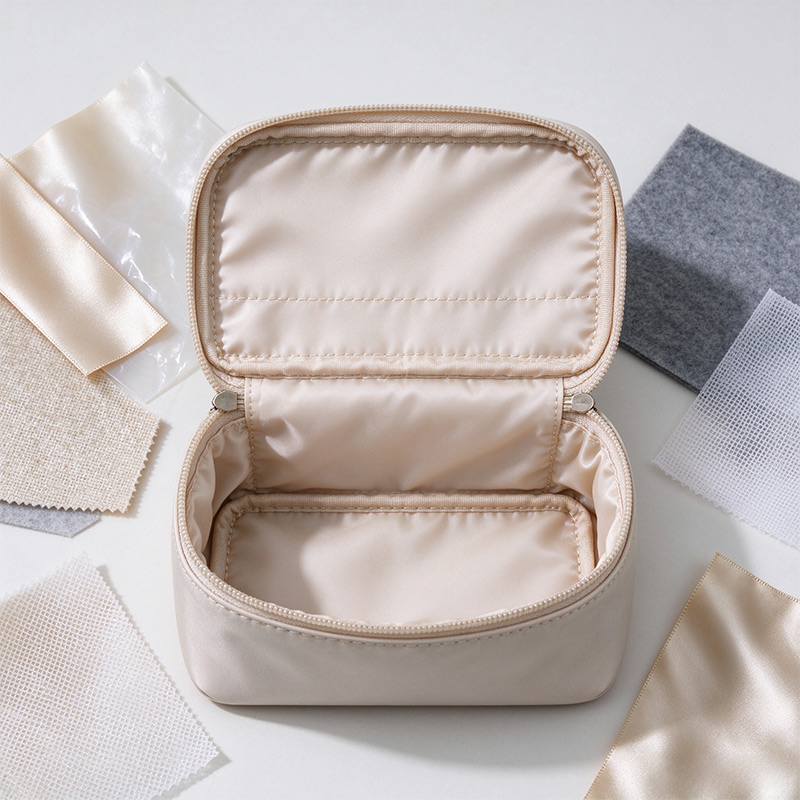
חומרי הבטנה הנפוצים ביותר לשקיות איפור הם בדים מבוססי פוליאסטר, במיוחד אריגה רגילה מפוליאסטר, טפטה מפוליאסטר, פונגי ופוליאסטר מצופה. בנוסף, ניילון, TPU, PEVA, PVC ו-EVA משמשים לעתים קרובות למוצרים עם דרישות גבוהות של עמידות למים ודליפות; פוליאסטר ממוחזר RPET וניילון ממוחזר מתאימים לקווי מותגים בני קיימא; מיקרופייבר, זמש מלאכותי, קטיפה וסאטן מתאימים לתחושת מגע יוקרתית ולמיקום מתנות. ניתן להשתמש בכותנה, קנבס, תערובות כותנה-פוליאסטר ותערובות כותנה-פשתן גם לבטנת תיקי איפור, במיוחד עבור תיקי איפור מקנבס, סגנון טבעי, מיקום ידידותי לסביבה או מוצרים הדורשים מרקם רקמה. עם זאת, ביצועי העמידות למים, כתמים וקלות הניקוי שלהם שונים בדרך כלל מבדים סינתטיים מצופים ויש להעריך אותם על סמך תרחישי שימוש ספציפיים. תוֹכֶן הָעִניָנִים:• בחירה לפי דרישות פונקציונליות• פרמטרים טכניים מרכזיים לבחירת בטנה• תהליכי התאמה אישית של בטנה ושיטות הצגת לוגו• כיצד אנו מבטיחים בקרת איכות מלאה של חומרי גלם עבור מותגים?• שאלות נפוצות• סיכום Ⅰ. בחירה לפי דרישות פונקציונליות וניתוח של בדים נפוציםבחירת בטנת תיקי איפור סובבת בדרך כלל סביב עמידות בפני כתמים ואיטום למים, הגנה קוסמטית, ניקוי קל, שמירה על צורה ותמיכה. הסעיף הבא מסווג לפי דרישות פונקציונליות ומסביר את המאפיינים, התרחישים הרלוונטיים ואמצעי הזהירות של בדים נפוצים. 1. קטגוריה עמידה למים וקלה לניקוי• יריעת PVC/TPU: משמשת בדרך כלל עבור תיקי קוסמטיקה פונקציונליים ותאים להפרדה בין רטוב ליבש, עם ביצועים מעולים של עמידות למים ודליפות. נוזלים קלים לניקוי לאחר התזה. PVC מציע ביצועים מעולים של עמידות למים ושקיפות, אך יש להעריך בקפידה את סיכוני התאימות שלו תחת REACH ו-Prop 65 עבור שווקים אירופיים ואמריקאים; TPU מציג ביצועים טובים יותר באופן כללי מבחינת ידידותיות לסביבה, עמידות בפני UV וגמישות, מה שהופך אותו לכיוון המועדף עבור סגנונות עמידים למים יוקרתיים.• PEVA: ללא כלור, זוהי אלטרנטיבה ידידותית לסביבה ל-PVC, המציעה ביצועים טובים של עמידות למים ותכונות קלות לניגוב, מתאימה למותגים עם דרישות קיימות. חשיפה ארוכת טווח לקרינת UV עלולה לגרום להצהבה קלה, אשר יש להעריך במהלך שלב הדגימה.• EVA: משמש בדרך כלל למגשים פנימיים קשיחים או בטנות יצוקות, עם ביצועים טובים למים ותמיכה מבנית, מתאים לליבות פנימיות של תיקי קוסמטיקה הדורשות שמירה על צורה.• פוליאסטר מצופה ובד אוקספורד מצופה (למשל, ציפוי PU, ציפוי TPU): לאחר הוספת ציפוי לבד פוליאסטר או אוקספורד, נוצר שכבה רציפה על פני הבטנה, החוסמת ביעילות חדירת התזות נוזלים כגון מייקאפ נוזלי וטיפוח עור. עמיד בפני שחיקה וקרעים, עם יעילות כלכלית טובה, מתאים לתיקי קוסמטיקה גדולים במחירים נוחים ולסגנונות פונקציונליים יומיומיים. שימו לב שציפויים ותפרים אינם אטומים לחלוטין בפני דליפות.• אריגה חלקה מפוליאסטר, פונגי, טפטה מפוליאסטר: אספקה יציבה, יעילות חיתוך ותפירה גבוהה ועמידות צבע יציבה, המבטיחים עקביות צבע בטנה על פני אצוות שונות בהזמנות בכמויות גדולות. ביניהם, טפטה מפוליאסטר היא קלת משקל ובעלת צפיפות גבוהה, חלקה ועמידה בפני תקלות, עם משקל קל; פונגי ואריגה חלקה מתאימות לסגנונות שוק המוני. לדרישות בסיסיות של עמידות למים, ניתן לבחור בגרסאות עם ציפוי קל.• ניילון טפטה: תחושה חלקה, חוזק קריעה גבוה יותר מפוליאסטר מאותו מפרט, מתאים למוצרי תיקי קוסמטיקה ברמה בינונית-יקרה. לניילון עצמו יש תכונות עמידות למים מסוימות והוא משמש בדרך כלל לבטנות עמידות למים וקלות לניקוי. אם המוצר שם דגש על קלות משקל, עמידות ותרחישי נסיעה, ניילון הוא כיוון בחירה שכדאי לשקול.[הערה נוספת] בדים מצופים יכולים לעמוד רק בהתזות. תפירה רגילה יוצרת חורים במחט, ונוזלים עדיין עלולים לחלחל דרך התפרים. אם נדרשת אטימה מלאה מפני דליפות, יש צורך בתהליך נוסף של איטום תפר בחום. 2. קטגוריית שימור צורה וריכוך• לבד: קשיחות גבוהה, תמיכה חזקה, מסייע לתיק האיפור לשמור על צללית תלת-ממדית, ומספק אפקטים מסוימים של ריפוד ובלימת זעזועים, מתאים לתיקים פנימיים בהתאמה אישית ומוצרים שצריכים להגן על קומפקטים של פודרה ופלטות צלליות. יש לשים לב למשקל, שיטות ניקוי ועובי.• קטגוריית פליז (למשל, פליז מיקרופייבר, דמוי זמש, קטיפה): מגע עדין, עם תחושת ריכוך קלה, יכול להפחית החלקה ושריטות של בקבוקי קוסמטיקה, מתאים לתיקי קוסמטיקה ברמה בינונית עד יוקרתית. מיקרופייבר, דמוי זמש וקטיפה מציעים תחושת מגע איכותית ותכונות נגד החלקה, ומשמשים בעיקר להתאמת מותגים יוקרתיים.3. קטגוריית מרקמים יוקרתית• סאטן אצטט: מגע חלק ורך, ברק חם, עמידות טובה בפני קמטים וגלישה, חלק להוצאה והנחה של מוצרי איפור, לא ייתפס בזיפי מברשת האיפור, מתאים למיקום יוקרתי וקלים.• סאטן/סאטן רגיל: משטח חלק, ידידותי לעור, עם ברק רך, יכול להגביר את העידון, מתאים למתנות ומוצרים בעלי ערך עיצובי. יש להעריך את עמידות הכתמים, עמידות השחיקה ועמידות הצבע. לסאטן פוליאסטר ולסאטן ניילון יש אפקטי הדפסה מצוינים, מתאימים לבטנות יוקרתיות.4. קטגוריה ידידותית לסביבה, ממוחזרת ובת קיימא• RPET: עשוי מבקבוקי PET ממוחזרים באמצעות ריסוק, ניקוי וטוויה לחוט. תחושת היד שלו, עמידות הצבע ועמידות השחיקה שלו שונים באופן מינימלי מפוליאסטר בתולי, והוא יכול להחליף בצורה חלקה אריגה רגילה או טפטה מסורתיים של פוליאסטר, המתאימים לרוב בטנות תיקי הקוסמטיקה הקונבנציונליים. זהו חומר נפוץ עבור מותגים המיישמים תפיסות ESG.• ניילון ממוחזר: מופק בעיקר מרשתות דיג שהושלכו, סיבי שטיח ופסולת תעשייתית אחרת, הממוחזרת באמצעות דה-פולימריזציה ופולימריזציה. בהשוואה ל-RPET, ניילון ממוחזר מתפקד טוב יותר מבחינת חוזק, גמישות ועמידות כימית, עם מגע עדין וחלק יותר, אך היצע השוק פחות יציב מ-RPET, והעלות בדרך כלל גבוהה יותר מ-RPET.5. סגנון טבעי וקטגוריית שילוב• כותנה: תחושה טבעית, ידידותית לעור, סופגת לחות, מתאימה לסגנון טבעי, תנוחה ידידותית לסביבה, ובטנה לתיקי איפור מבד קנבס.• קנבס: משקל גבוה יותר בגרם, תמיכה מבנית טובה, עמיד בפני שחיקה, מתאים לתיקי קוסמטיקה מבד, תיקי רחצה, בטנות תיקי אחסון נסיעות או כיסים חיצוניים. כאשר משתמשים בו כבטנה, יש לקחת בחשבון באופן מקיף את המשקל, העובי ותהליכי התפירה. קנבס כותנה כולו בעל יכולת נשימה טובה וקל משקל, מתאים למוצרי פודרה, מברשות איפור ופריטים אחרים הזקוקים לאוורור.כותנה וקנבס רגילים אינם עמידים למים, סופגים בקלות צבע וכתמים. אם נחשפים ישירות לקוסמטיקה נוזלית, קשה לנקות. גישה נפוצה היא לשלב עם שקיות פנימיות נשלפות לכביסה, גימור ציפוי, שקיות עמידות למים עצמאיות או מבני תאים פנימיים. • תערובת כותנה-פוליאסטר: מאזנת את תחושת היד הטבעית של כותנה עם העמידות והיציבות הממדית של פוליאסטר, מתאימה לפרויקטים הזקוקים לאזן בין מרקם לעקביות ייצור בכמויות גדולות.• תערובת כותנה-פשתן: מרקם טבעי בולט, מתאים למותגי סגנון ספציפיים, אך יש לאשר את עמידות הכתמים ועמידות הצבע בשלב הדגימה.6. קטגוריות מעשיות אחרות• בטנת PU: בעלת מרקם, קלה לניגוב, מתאימה לנסיעות יומיומיות ולמוצרים לטווח בינוני. פני השטח שלה צפופים, וחוסמים ביעילות כתמים על בסיס שמן כגון מייקאפ נוזלי ושפתון מלחדור. ניתן לנגב אותה בקלות בעזרת מטלית לחה, בעלות תחזוקה נמוכה. שימו לב לבחור חומרי PU בעלי עמידות טובה להידרוליזה כדי למנוע קילוף או דביקות של הציפוי לאחר שימוש ממושך, במיוחד בסביבות טמפרטורה ולחות גבוהה שבהן נדרשות בדיקות הזדקנות.• רשת/רשת תלת-שכבתית: אווריריות מעולה, משקל קל, משמשת בדרך כלל לתיקי תא פנימיים או לשכבות אחסון מברשות של תיקי קוסמטיקה, מקלה על זיהוי מהיר של פריטים ומאיצה את פיזור הלחות הפנימי, מפחיתה את הסיכון לצמיחת עובש. עם זאת, בשל פני השטח הלא אחידים והנקבוביות הגדולות שלה, היא לוכדת בקלות לכלוך וקשה לניקוי יסודי. אינה מומלצת כבטנה העיקרית במגע ישיר עם קוסמטיקה נוזלית, ובדרך כלל יש להשתמש בה עם שקית פנימית עמידה למים.2. פרמטרים טכניים מרכזיים לבחירת בטנהבעת בחירת בדי בטנה לתיקי איפור, הפרמטרים הבאים משפיעים ישירות על איכות המוצר הסופי וחוויית המשתמש. מומלץ לאשר כל פריט בשלב הדגימה. 1. משקל ועובי גרם• משקל נמוך בגרם (למשל, פוליאסטר טפטה או פונגי 30-50 גרם למ"ר): קל משקל ורך, חיסכון מקסימלי במקום פנימי, מפחית את המשקל הכולל, מתאים לתיקי קוסמטיקה לנסיעות השואפים לניידות וקלות משקל אולטימטיביות.• משקל בינוני בגרם (לדוגמה, פוליאסטר, ניילון או כותנה באריגה חלקה במשקל 60-100 גרם למ"ר): מאזן בין תחושה ידנית לעמידות, הבחירה הרווחת עבור רוב תיקי האיפור הקונבנציונליים. לבדים בטווח זה יש קשיחות בינונית, הם יכולים לשמור על הצללית הבסיסית של התיק, תוך מתן יציבות תפירה טובה ועמידות בפני שחיקה, מתאים לנסיעות יומיומיות ולתרחישי אחסון רב-תכליתיים.• משקל גבוה בגרם (למשל, קנבס בעובי 120 גרם/מ"ר ומעלה, בד מצופה מעובה או לבד מרוכב): קשיחות ותמיכה מבנית מצוינות, שומרות ביעילות על הצורה התלת-ממדית של תיק האיפור, מונעות עיוות כתוצאה מדחיסה פנימית של הפריט, משמשות בדרך כלל לתיקי איפור קשיחים או עיצובים פנימיים שצריכים לעמוד באופן עצמאי. 2. סוג ציפוי וביצועי עמידות למיםסוג ציפויביצועים עמידים למיםעמידות בפני שחיקהידידותיות לסביבהיישום אופייניציפוי PUטוֹבטוֹבבֵּינוֹנִיתיקי קוסמטיקה יומיומייםTPU מרוכבמְעוּלֶהמְעוּלֶהמְעוּלֶהסגנונות עמידים למים יוקרתייםפווהטוֹבבֵּינוֹנִיטוֹבסגנונות מיקום ידידותיים לסביבהPVCמְעוּלֶהטוֹבציות דורש הערכה מדוקדקתסגנונות שקופיםאווהטוֹבטוֹב בֵּינוֹנִימגשים פנימיים יצוקים, בטנות קשיחות 3. עמידות צבע, עמידות לשפשוף ובחירת צבע• בטנות צריכות לעבור בדיקות יציבות צבע בשפשוף יבש ושפשוף רטוב, תוך עמידה בדרישות שוק היעד והמותג (ראו תקני בדיקות בתעשייה של ASTM/ISO).• בחירת הצבעים צריכה לשלב את חזון המותג, הרגלי השימוש של שוק היעד, ציפיות לניקיון ותחזוקה, ואת העיצוב הכללי.• מערכות צבע כהות או בינוניות נוטות בדרך כלל פחות להראות כתמים בשימוש יומיומי; מערכות צבע בהירות נראות רעננות ומתאימות לגווני מותגים מסוימים, אך עשויות להראות שאריות קוסמטיות ביתר קלות, כך שניתן לשלב ציפוי, גימור קל לניקוי או שקיות פנימיות נשלפות לכביסה. 4. חוזק שבירה וחוזק קריעה• חוזק השבירה וחוזק הקרע של בד הבטנה צריכים לעמוד בתקני בדיקה כלליים בתעשייה, כגון ASTM D5034.• יש להתאים אינדיקטורים ספציפיים למיקום המוצר, תרחישי השימוש ודרישות איכות המותג. 5. תחושת יד, רעש, גמישות קיפול ותאימות תפירה• ניילון ובדים מצופים עלולים לייצר רעש חיכוך, שיש להעריך אותו בשלב הדגימה.• יש לשים לב להשפעת העובי של מיקרופייבר, זמש מלאכותי, קנבס וחומרים אחרים על יעילות התפירה ומשקל המוצר המוגמר.• חומרים מצופים וחומרים מצופים דורשים תשומת לב לשאלה האם הם מלבינים לאחר הקיפול, האם הגמישות יציבה והאם התפרים דולפים. 6. שיטות ניקוי ותרחישי שימוש צרכניים• אם המוצר מיועד לשימוש יומיומי במשרד, נסיעות, כושר ותרחישים אחרים, הבטנה צריכה לתת עדיפות לביצועים קלים לניגוב ולחסימת דליפות.• אם המוצר מדגיש סגנון טבעי או עיצוב נשלף וכביסה, ניתן לשקול תערובות כותנה, קנבס וכותנה-פוליאסטר, בשילוב עם שקיות פנימיות נשלפות או שקיות אחסון עמידות למים.• אם המוצר מוצג כמתנה או כמותגים יוקרתיים, ניתן לשקול שימוש בסאטן, מיקרופייבר וזמש מלאכותי, ויש לציין בבירור בהוראות את שיטות התחזוקה. Ⅲ. תהליכי התאמה אישית של בטנה ושיטות הצגת לוגו1. מידות התאמה אישית של בטנה• התאמה אישית של צבע: צביעה לפי מספרי צבעי פנטון. הזמנות ראשונות דורשות מחזור אישור צבע.• התאמה אישית של מרקם: אריגה רגילה, טוויל, ז'קארד, סאטן, פנינה ואפקטים משטחיים אחרים.• התאמה אישית של הדפסה: דוגמאות מותג בהדפס מלא, הדפסה חוזרת של לוגו, גרפיקה עונתית וכו'.• התאמה אישית של המבנה: כיסי מברשות, שקיות פנימיות שקופות, כיסים נסתרים עם רוכסן, מיקומי קיבוע של גומייה וכו'.• חומר מרוכב: ניתן לשלב ציפוי, למינציה, הדבקה, הטבעה ותהליכים אחרים בהתאם לדרישות עמידות למים ומגע ידני. 2. בחירת תהליך לוגותַהֲלִיךסוגי בטנה רלוונטייםעֲמִידוּתמאפייני התהליךהדפסת משיפוליאסטר, ניילון, קנבס ובדים אחריםבֵּינוֹנִיביטוי צבע ישירהדפסת העברת חוםפוליאסטר, ניילון, קנבס ובדים אחריםטוֹבביטוי טוב של פרטי דפוסרִקמָהפוליאסטר, ניילון, קנבס ובדים אחריםמְעוּלֶהאפקט תלת-ממדי חזקתווית ארוגהכל הסוגיםמְעוּלֶהעלות נמוכהתווית מתכתכל הסוגיםמְעוּלֶהתחושה יוקרתיתהטבעה חמה/הטבעה בנייר כסףסאטן, דמוי זמש, עור PUבֵּינוֹנִיתחושה יוקרתית 3. ערך מוסף של בטנות ממותגות• בטנות מודפסות בהתאמה אישית או תוויות ארוגות של מותג יכולות לשפר את חוויית פתיחת הקופסה של המוצר ואת זיהוי המותג.• עבור מותגי DTC וערוצי מתנות, בטנות ממותגות הן אמצעי חשוב לשיפור הערך הנתפס.• התאמה אישית של הבטנה אינה משפיעה על גמישות עיצוב התיק החיצוני, ויכולה ליצור פתרון מותג כולל עם בד התיק החיצוני, הרוכסנים והאריזה. Ⅳ. כיצד אנו מבטיחים בקרת איכות מלאה של חומרי גלם עבור מותגים?1. תקשורת לפני יצרן תיקי קוסמטיקה:• אישור דרישות: הבנת מיצוב המוצר של הלקוח ושוק היעד.• בחירת בד: יש לאשר את חומר הבטנה, משקל הגרמים, הציפוי והצבע. 2. שלב הדגימה• דגימה: הפקת דוגמיות, אישור תחושה, צבע ומבנה. (מומלץ להשלים לפחות סבב אחד של אישור דוגמיות פיזיות לפני ביצוע הזמנה רשמית.)• אישור דגימה: במהלך שלב הדגימה, יש לאשר בו זמנית את צבע הבטנה, תחושת היד, העובי, הציפוי, תהליך הלוגו, אפקט התפירה וביצועי הניקוי.• דרישות תאימות: אם המוצר מכוון לשווקים אירופיים ואמריקאים, ניתן לאשר בו זמנית את מסמכי התאימות של שוק היעד ואת הסדרי הבדיקה במהלך שלב הדגימה. 3. נקודות ביקורת מרכזיות של בקרת איכות• בדיקת חומר נכנס: בדיקת הבדלי צבע הבד, משקל הגרם והרוחב.• שלב החיתוך: בדיקת פגמים במשטח הבד ואחידות הציפוי.• שלב התפירה: בדקו האם חיבור הבטנה והרוכסן שטוח והאם יש תפרים שדלגו עליהם.• שלב המוצר המוגמר: ביצוע בדיקות ניקוי בטנה ובדיקות חלקות הרוכסן.• בדיקה יוצאת: ביצוע בדיקת מראה ותפקוד בהתאם לתקני הדגימה SYNBERRY AQL 1.5/4.0. 4. שיטת בדיקה לניקוי בטנה• בפיתוח מוצרים בפועל, ניתן להשתמש במוצרי קוסמטיקה אמיתיים לצורך בדיקות השוואתיות לניקוי ריפודים, במקום רק בבדיקה עם מים.• ניתן לחשוף דגימות בטנה למייקאפ נוזלי, שפתון, קרם הגנה וקוסמטיקה אחרת, ולאחר מכן לטפל בהן באותה שיטת ניקוי ותדירות ניגוב, תוך השוואת תנאי השאריות.• שיטה זו יכולה לבחון ביעילות את הביצועים המעשיים של תמיסות ריפוד במהלך שלב הדגימה. Ⅴ. שאלות נפוצות (FAQ)שאלה 1: מהי הבחירה הנפוצה ביותר עבור בטנה לתיקי איפור? האם ניתן להשתמש בכותנה ובקנבס?א: אריגה פשוטה מפוליאסטר, טפטה מפוליאסטר, פונגי ופוליאסטר מצופה הם חומרי בטנה נפוצים לתיקי קוסמטיקה, המתאימים במיוחד לסגנונות מסחריים וסגנונות פונקציונליים קונבנציונליים.ניתן להשתמש בתערובות כותנה, קנבס, כותנה-פוליאסטר וכותנה-פשתן גם לבטנת תיקי איפור, ומתאימים במיוחד לתיקי איפור מבד, סגנון טבעי, מיקום ידידותי לסביבה או מוצרים הדורשים מרקם רקמה. עם זאת, כותנה וקנבס בדרך כלל אינם עמידים למים וסופגים בקלות כתמים וצבע. מומלץ לשלב עם שקיות פנימיות נשלפות לכביסה, גימור ציפוי או עיצובים עצמאיים של תיקים עמידים למים. אם שמים דגש על עמידות למים ודליפות, TPU, PEVA, PVC ו-EVA נפוצים יותר; אם שמים דגש על קיימות, פוליאסטר ממוחזר RPET וניילון ממוחזר הן אפשרויות הולכות וגדלות. שאלה 2: כמה זמן לוקח לדגום את בד הבטנה?א: דגימה קונבנציונלית של בטנות פוליאסטר או ניילון היא מהירה יחסית, בדרך כלל 15-20 ימים. בדים מצופים או בטנות מודפסות בהתאמה אישית דורשות זמן רב יותר. אם מדובר בצביעה בהתאמה אישית או בהתאמת צבעי פנטון, יש להזמין מחזור אישור צבע נוסף. מומלץ להשלים לפחות סבב אחד של אישור דגימה פיזית לפני ביצוע הזמנה רשמית. יש לאשר לוחות זמנים ספציפיים לדגימה עם המפעל. שאלה 3: כיצד לבחור בין בטנת PVC לבטנת PEVA בשווקים האירופיים והאמריקאים?א: לציפוי PVC יש את הביצועים החזקים ביותר של עמידות למים ושקיפות גבוהה, אך עקב בעיות כלור ופתלטים, הוא עומד בפני סיכוני תאימות גבוהים תחת ה-EU REACH ו-California Prop 65. PEVA הוא נטול כלור והוא אלטרנטיבה ידידותית יותר לסביבה, המתאימה למותגים עם דרישות קיימות. ש 4: כיצד נקבעים ה-MOQ וזמן ההובלה עבור בטנות מודפסות בהתאמה אישית?א: המחיר המומלץ (MOQ) עבור בטנות מודפסות בהתאמה אישית נקבע בדרך כלל על סמך מורכבות הגזרה, שיטת ההדפסה ומידת התאמה אישית של הבד. הדפסת משי מתאימה לאצוות גדולות יותר, בעוד שהדפסה דיגיטלית יכולה לתמוך באצוות קטנות אך עם עלויות יחידה גבוהות יותר. מבחינת זמן אספקה, מחזור הייצור של בטנות מודפסות בדרך כלל ארוך יותר מאשר בטנות בצבע חלק. המחיר המומלץ (MOQ) להדפסה קונבנציונלית מתחיל ב-500 יחידות. המחיר המומלץ וזמן האספקה הספציפיים כפופים להערכת המפעל. שאלה 5: כיצד ניתן לשפוט את איכות בד הבטנה?א: מפעלים בדרך כלל מעריכים לפי הממדים הבאים: האם משקל הגרם עומד בדרישות המפרט, האם הציפוי אחיד ללא קילוף, האם עמידות הצבע עוברת את המבחנים הכלליים של התעשייה, האם חוזק השבירה עומד בתקנים, והאם מתרחשים קמטים או שבירת חוט לאחר התפירה. בשלב הדגימה, ניתן להשתמש במוצרי קוסמטיקה אמיתיים לבדיקות השוואת ניקוי, במקום לשפוט רק על ידי בדיקה ויזואלית. במהלך ייצור המוני, ניתן לבצע בקרה שיטתית באמצעות בדיקת חומר נכנס, בדיקת חיתוך, בדיקת תפירה ובדיקת דגימה יוצאת. שאלה 6: האם בטנת תיקי קוסמטיקה יכולה להשיג גם איטום וגם לוגו מותאם אישית?ת: כן. פתרונות נפוצים כוללים: הדפסת לוגו בהעברת חום על בטנת פוליאסטר מצופה, הדפסת משי על לוגו המותג על בד TPU, הוספת תוויות ארוגות או תוויות מודפסות על הבטנה. שימו לב שחלק ממשטחי הציפוי עשויים להשפיע על הידבקות הדיו. מומלץ לבדוק את יציבות ההידבקות של תהליך הלוגו במהלך שלב הדגימה. שאלה 7: האם בד הבטנה ידהה ויזהם מוצרי קוסמטיקה?א: סיכון זה קיים, ולכן בדי בטנה חייבים לעבור בדיקות עמידות צבע בשפשוף יבש ושפשוף רטוב, תוך עמידה בתקני שוק היעד. בדים כהים במיוחד זקוקים לאימות מרכזי של מדדי שפשוף רטוב. במהלך הדגימה, ניתן לבצע בדיקות דהיית צבע בו זמנית כדי למנוע בעיות לאחר המכירה של צביעת בטנה המזהמת מוצרי קוסמטיקה במוצרים מוגמרים. סיכוםכמפעל מקצועי לייצור תיקים OEM/ODM, אנו מספקים למותגים ולקונים שירותים מקיפים, החל מבחירת בד בטנה, אישור דגימה, התאמה אישית של תהליך הלוגו ועד לייצור בכמויות גדולות ובקרת איכות. בין אם אתם זקוקים לסגנונות בסיסיים לשווקים המוניים, סגנונות פונקציונליים עם תכונות אטומות למים ולדליפות, סגנונות יוקרתיים המתמקדים בתחושה טקטית, או קווי מותג בני קיימא, אנו יכולים להתאים פתרונות בטנה ומשאבי שרשרת אספקה מתאימים בהתאם לשוק היעד ולמיצוב המוצר שלכם. לקבלת דוגמאות של בד בטנה או לדון בדרישות פרויקט ספציפיות, אל תהססו לפנות לצוות העסקי שלנו. מְחַבֵּר
ראה עודאנא המשך לקרוא, להישאר מעודכן, להירשם, ואנו מזמינים אותך לספר לנו מה אתה חושב.




זכויות יוצרים
@2024 Synberry Bag & Package Products Co.,Ltd כל הזכויות שמורות
.
 רשת נתמכת
מפת אתר / בלוג / Xml / מדיניות פרטיות