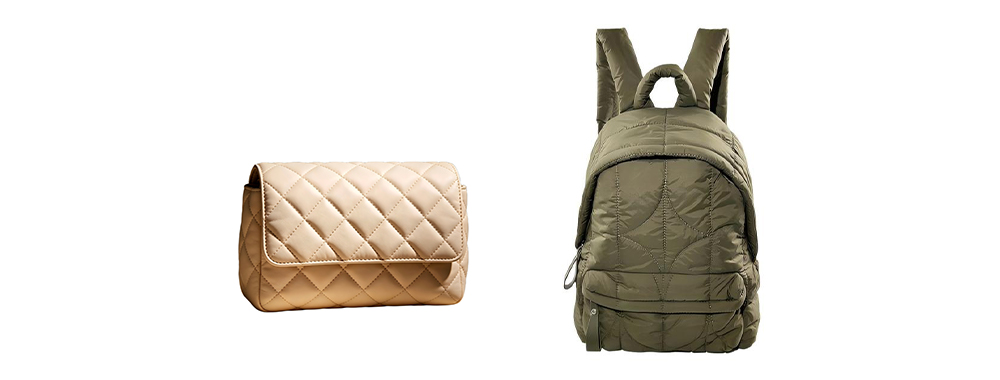
תפירת תפירה אינה חידוש אמנותי מודרני; מקורותיה ניתן לייחס אלפי שנים אחורה. עדויות למוצרים תפורים נמצאו אף בציורי קברים מצריים עתיקים. עם הזמן, הטכניקה התפשטה בהדרגה לבגדים ולמוצרי בית. בעידן המודרני, עם גיוון עיצוב התיקים, תפירת תפירה יושמה באופן נרחב ביצירת תיקים - מתיקי יד קלאסיים עם דוגמאות יהלום ועד תרמילים קלים מרופדים. עיצוב "מבנה סנדוויץ' + תפירה" זה חצה זה מכבר שלושה תחומים עיקריים: מוצרי יוקרה, אופנה מהירה ותיקים פונקציונליים.
הסיבה לכך שדרוג תפירה נותר מועדף על ידי מותגים טמון ביכולתו לפתור שלוש בעיות מרכזיות בו זמנית: יציבות מבנית (מניעת תזוזת חומר המילוי), זיהוי חזותי (מרקם תלת-ממדי המעביר באופן טבעי תחושה יוקרתית) וריפוד פונקציונלי (הגנה על פריטים בתוך התיק). עבור מותגים המתכננים לפתח קו מוצרים מרופד, הבנת הסינרגיה בין חומרי מילוי, דוגמאות תפירה ובדים היא תנאי הכרחי לשליטה בעלויות ולהשגת כוונת העיצוב.
מאמר זה יפרט באופן שיטתי את שלושת האלמנטים הטכניים העיקריים של תיקים מרופדים מנקודת מבט ייצורית.
1. חומרי מילוי
המפתח לתיקים מרופדים טמון בשכבה האמצעית. המשקל, החומר והגמישות של המילוי קובעים ישירות האם המוצר המוגמר נראה מובנה ויציב או רך וחסר צורה.
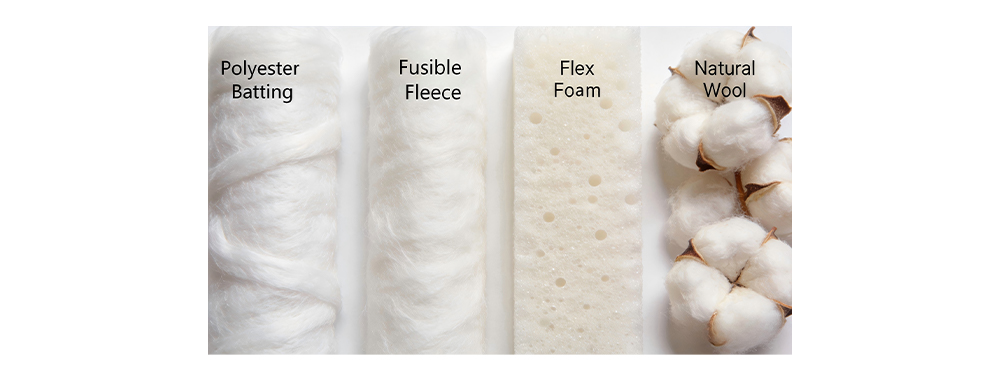
1.1 סוגים נפוצים של חומרי מילוי
חומר מילוי | טווח צפיפות (התייחסות) | מאפיינים | יישומים מתאימים |
חבטות פוליאסטר | 80–300 גרם למ"ר | עלות נמוכה, קל לאיתור, עמידות בינונית | תיקי טוטה סטנדרטיים מרופדים, תיקי איפור |
פליז מתכלה | 150–250 גרם למ"ר | ניתן להדבקה בחום, חלק לתפירה, תחושה רכה ביד | תיקי כתף מרופדים בטווח בינוני, נרתיק פנימי |
קצף / קצף גמיש | עובי 3–6 מ"מ | שמירה גבוהה על מבנה, ריפוד חזק, מרקם תפרים בולט | תיקי מחשב נייד, תיקי מצלמה, תיקי יד מובנים |
סיבים טבעיים (כותנה/צמר) | מִשְׁתַנֶה | נושם, ידידותי לסביבה, עלות גבוהה יחסית | קולקציות אקולוגיות פרימיום, קולקציות סתיו/חורף |
1.2 בחירת המשקל המתאים (GSM)
חומרי מילוי אינם טובים יותר רק משום שהם עבים יותר. משקל מופרז יכול להוביל לשלוש בעיות עיקריות: קושי בתפירה (הדורש מחטים וציוד מיוחדים), פינות מגושמות המשפיעות על צורת התיק, ומשקל כולל מוגבר המשפיע לרעה על חוויית המשתמש.
גישה נפוצה היא כדלקמן:
- תיקים רכים וקז'ואל (למשל, תיקי קניות מרופדים): השתמשו במילוי קל משקל של 80-150 גרם למ"ר כדי לשמור על גמישות טבעית.
- תיקים מובנים (למשל, תיקי יד מרופדים ביהלומים): השתמשו בקצף במשקל 200 גרם למ"ר ומעלה, או בקצף בעובי 3 מ"מ ומעלה, כדי להבטיח אפקט קווילט "נפוח" ברור לאורך קווי התפירה.
- תיקי מגן פונקציונליים (למשל, שרוולים למחשב נייד): העדיפו שכבות ביניים של ספוג כדי להשיג גם ריפוד וגם יציבות מבנית.
1.3 טכניקות למינציה (הדבקה) למילוי שכבות ובדים
שיטות נפוצות להדבקת שכבת המילוי עם בד הפנים והבטנה כוללות:
- קשירה אולטרסאונדית: שיטה זו אינה מסתמכת על חדירת תפירה במחט. במקום זאת, נעשה שימוש בוויברציה בתדר גבוה כדי להמיס ולהתיך את משטחי המגע בין שכבת המילוי לבד. יתרונותיה הם שהיא אינה מייצרת קווי תפירה גלויים, מסתמכת על שילוב של לחץ פיזי והיתוך תרמי, מציעה יעילות ייצור גבוהה ואינה משאירה חורים במחט על פני הבד, וכתוצאה מכך מתקבל גימור נקי וחלק. היא מתאימה היטב לעיצובי תיקים מינימליסטיים מרופדים המיועדים לייצור המוני. חסרונה הוא שהיא מוגבלת לחומרים סינתטיים תרמופלסטיים (כגון פוליאסטר וניילון).
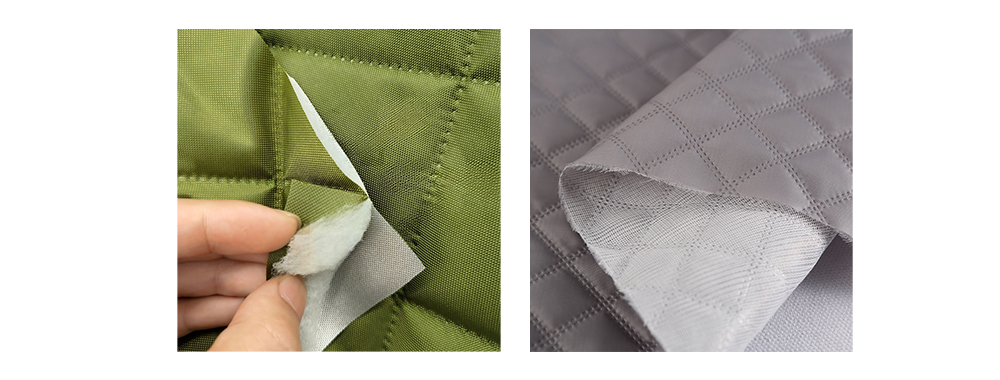
- תפירה (תפירה): זוהי שיטת ההדבקה המסורתית ביותר וגם הגמישה ביותר. היא משתמשת במכונת תפירה כדי לתפור ולחבר ישירות את שלוש השכבות - בד הפנים, שכבת המילוי והבטנה יחד. יתרונה הוא שהיא תואמת כמעט לכל החומרים: ניתן לעבד בדים טבעיים כמו כותנה ופשתן, סיבים סינתטיים ואפילו עור. היא מציעה גם גמישות רבה בעיצוב דוגמאות, ומתאימה היטב לייצור בכמויות קטנות ללא צורך בתבניות נוספות, מה שהופך אותה לאידיאלית עבור קולקציות מעצבים וקווי נישה בהתאמה אישית. החיסרון שלה הוא שבהשוואה להדבקה אולטרסאונדית, היא פחות יעילה בייצור המוני בקנה מידה גדול.
2. דוגמאות תפירה
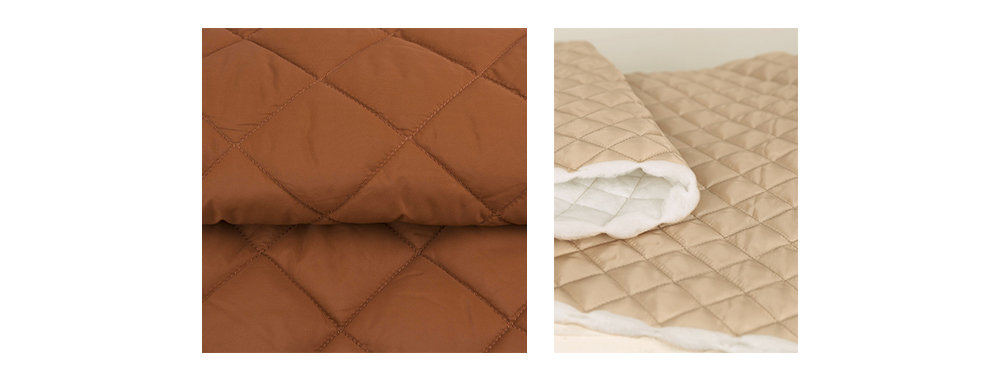
דוגמאות תפירה הן הרבה יותר מסתם עניין של אסתטיקה. כיווני תפרים שונים משפיעים על פיזור הלחץ בבד, כיוון המתיחה וה"נפיחות" החזותית הנתפסת.
2.1 ניתוח של דפוסי קווילט מיינסטרים
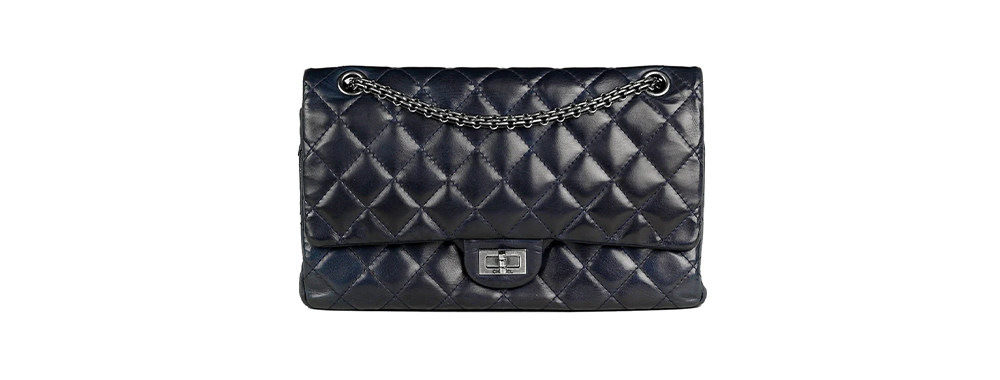
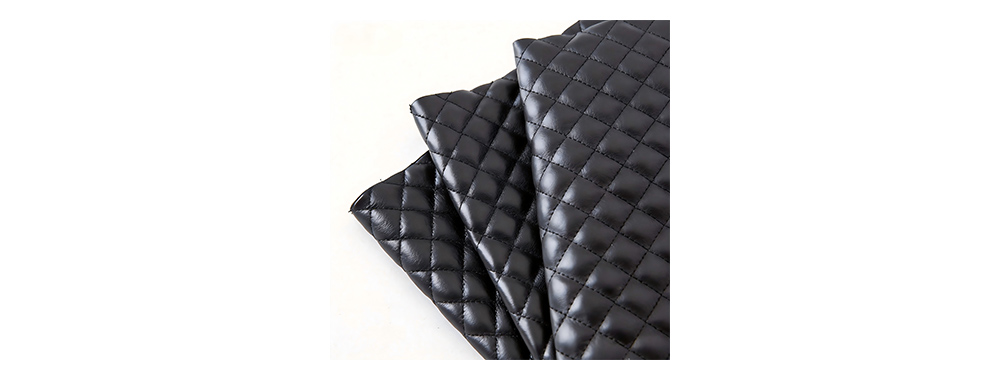
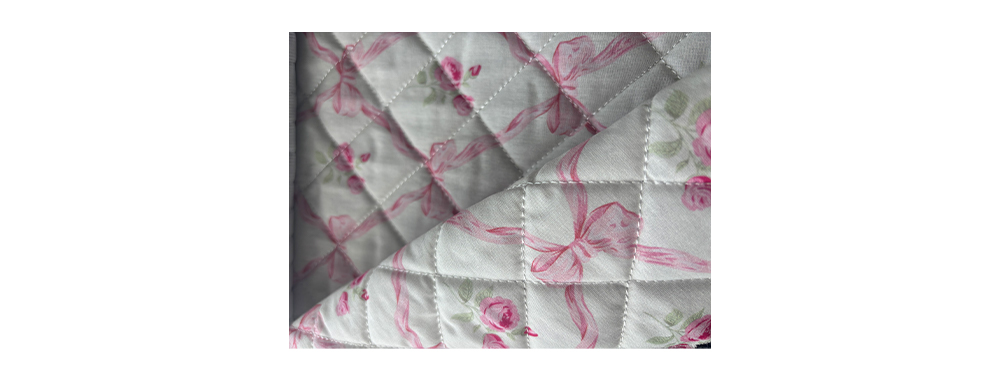
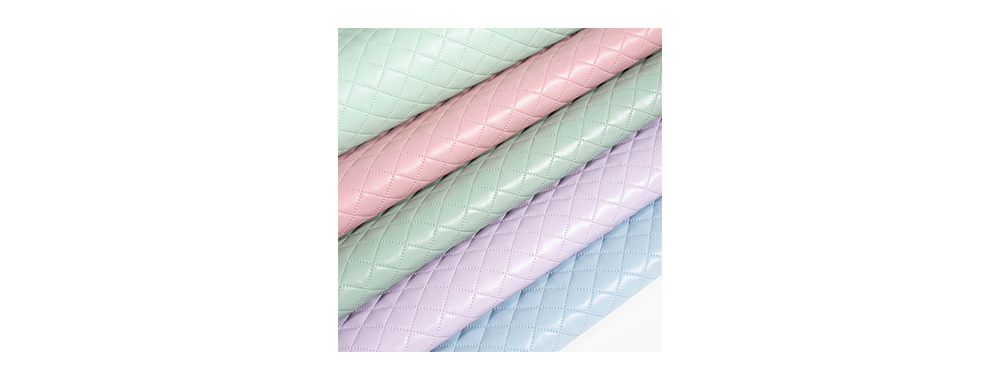
- שמיכת יהלום: דוגמת התפירה הקלאסית ביותר, הנוצרת על ידי הצטלבות קווים אלכסוניים בזווית של 45 מעלות ליצירת רשת יהלום רציפה. היתרון העיקרי שלה הוא פיזור אחיד של מתחים, המסייע במניעת מתיחה יתר של הבד בכל כיוון. עיצובים קלאסיים כמו שאנל 2.55 משתמשים בדוגמה זו. גדלי היהלומים נעים בדרך כלל בין 3 ס"מ × 3 ס"מ ל-5 ס"מ × 5 ס"מ. יהלומים קטנים יותר יוצרים אפקט ויזואלי מעודן ועדין יותר, אך הם גם מגדילים משמעותית את זמן התפירה ואת עלות הייצור.
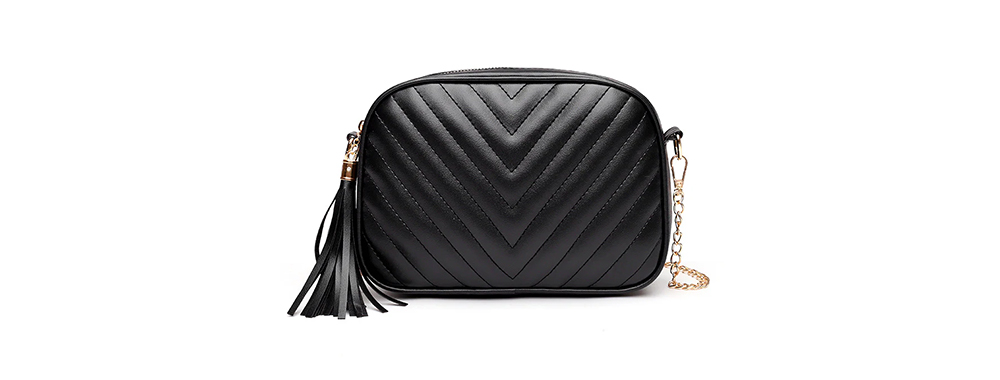
- שברון (קווילט בצורת V / אדרה): דוגמה זו נוצרת על ידי קווי תפרים רציפים בצורת V, היוצרים תחושה חזקה של כיוון ותנועה ויזואלית. דוגמת השברון נוטה ליצור התכווצות קלה של הבד בנקודות הסיבוב בצורת V, ולכן היא מתאימה יותר לבדים דקים יותר בשילוב עם חומרי מילוי במשקל בינוני. אחרת, נקודות הקיפול עלולות להיראות מגושמות או נפוחות מדי.
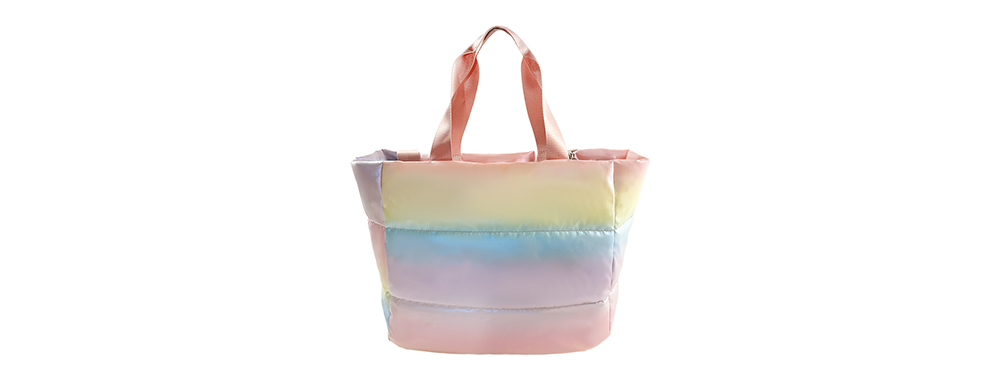
- תפירת ערוץ: גזרה זו מורכבת מקווי תפרים ישרים מקבילים במרווחים שווים. זוהי אחת הגזרות הנפוצות ביותר בעיצובי תיקים מינימליסטיים מרופדים. השפה החזותית נקייה ופשוטה, וקושי הייצור נמוך יחסית. בהשוואה לגזרות מצטלבות, עלות העבודה שלה בייצור המוני נמוכה משמעותית.
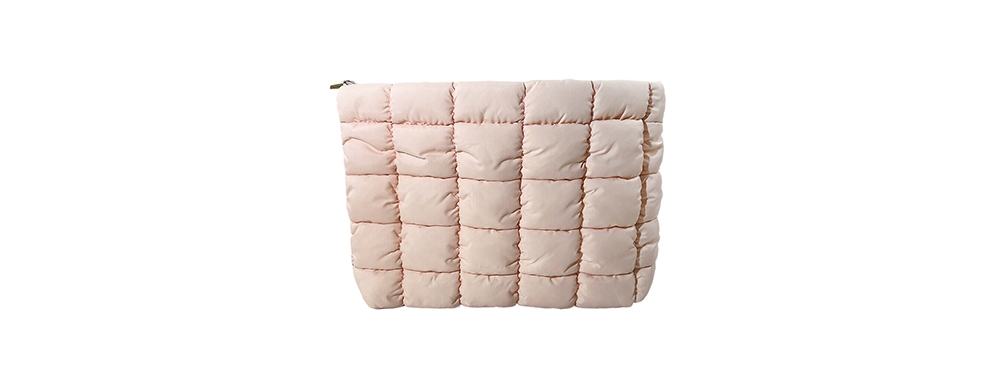
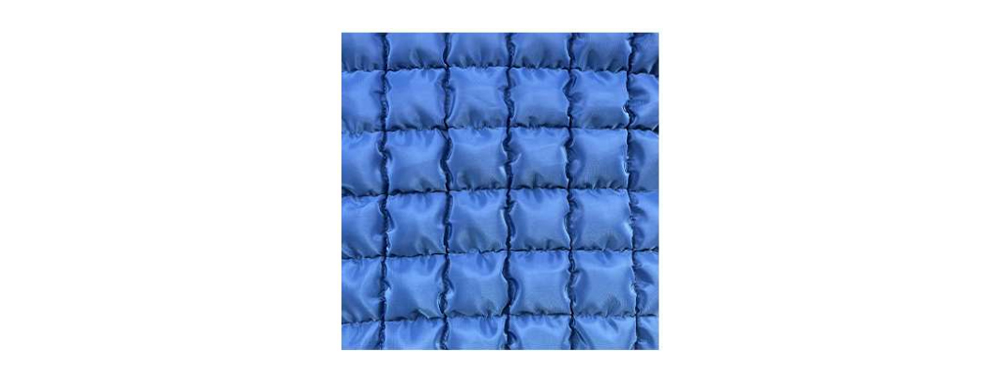
- שמיכת ריבוע / קופסה: קווי התפרים עוברים אופקית ואנכית, ויוצרים רשת ריבועים סדירה. תבנית זו מציבה דרישות נמוכות יחסית לסנכרון הזנת הבד של ציוד התפירה, מה שהופך את הייצור ליציב וחסכוני יותר.
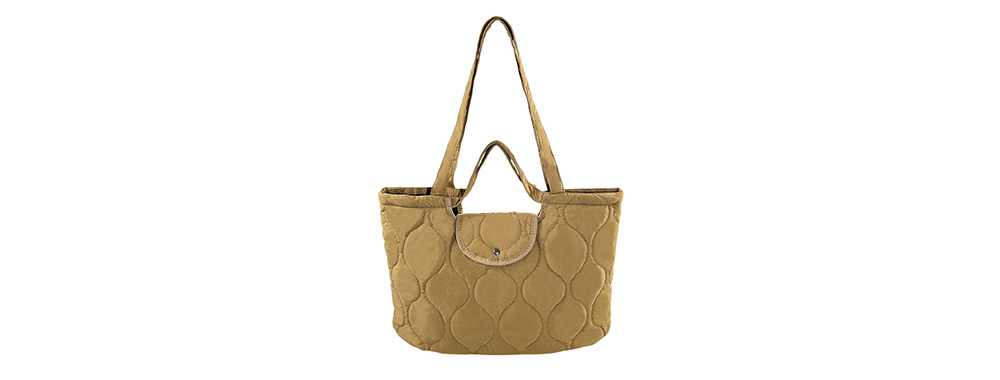
- תבנית דלעת:דוגמת "בוטנים", המכונה גם דוגמת "בוטנים", נוצרת על ידי קווי תפרים חלקים ומעוקלים רציפים המתארים יחידות אחידות בצורת דלעת. הקווים הכלליים רכים וזורימים, ללא סיבובים זוויתיים חדים, מה שמעניק לה תחושה ויזואלית רגועה ודינמית יותר בהשוואה לדוגמאות גיאומטריות. היא מתאימה היטב לתיקים בסגנון קז'ואל רך.
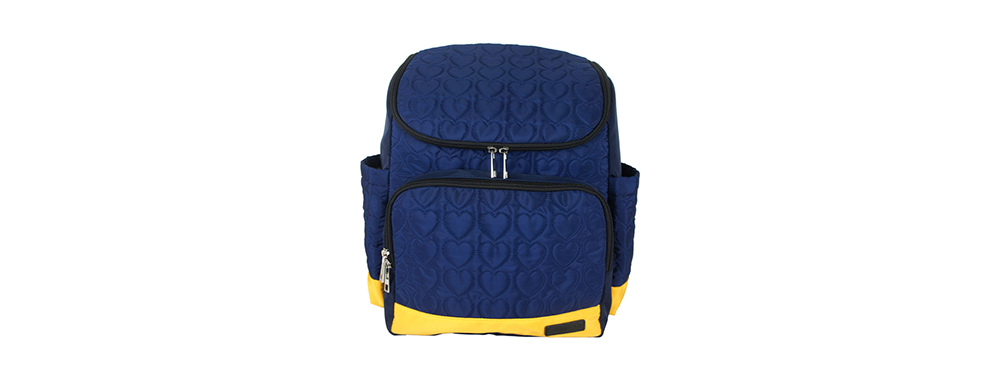
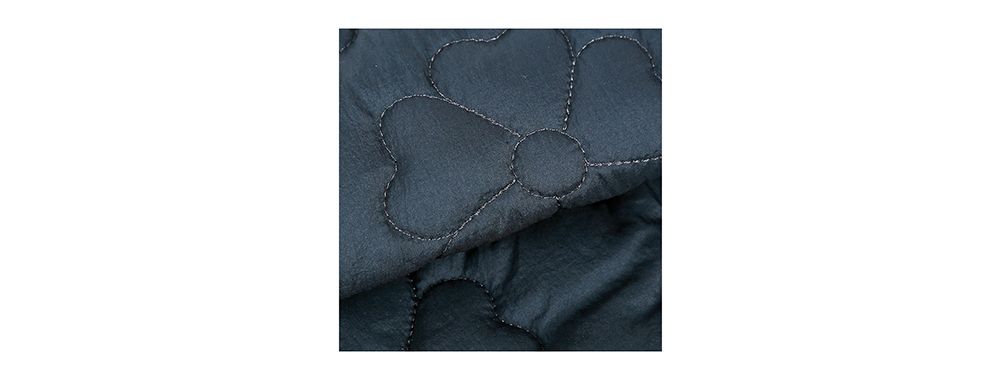
- דפוס לב: גזרה זו מורכבת מיחידות קטנות מפוזרות בצורת לב או מקווי תפרים רציפים בצורת לב. יש להתאים את גודל כל מוטיב לב בהתאם למידות גוף התיק. אם הלבבות קטנים מדי, התפרים עלולים להיות צפופים ויזואלית, ולגרום למרקם הכללי להיראות עמוס. תיקים גדולים יותר מתאימים יותר למוטיבים גדולים במיוחד של לבבות או לסידורים מסודרים ומרווחים באופן שווה.
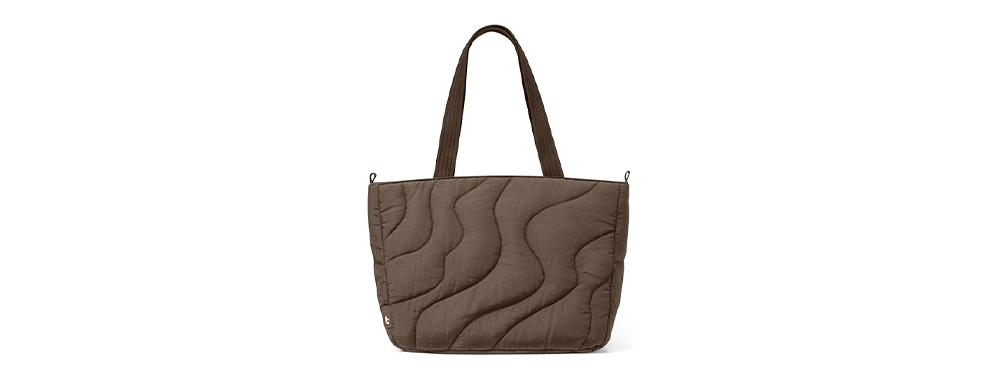
- עקומה/תבנית גל חופשית: דוגמה זו מורכבת מקווים גליים ומעוקלים רציפים ללא קצוות חדים או פינות. היא יוצרת רושם ויזואלי רך וזורם יותר ומסייעת להפחית את נוקשות מבנה התיק. היא מתאימה היטב לתיקים יומיומיים בעלי מרקם רך וקטיפתי.
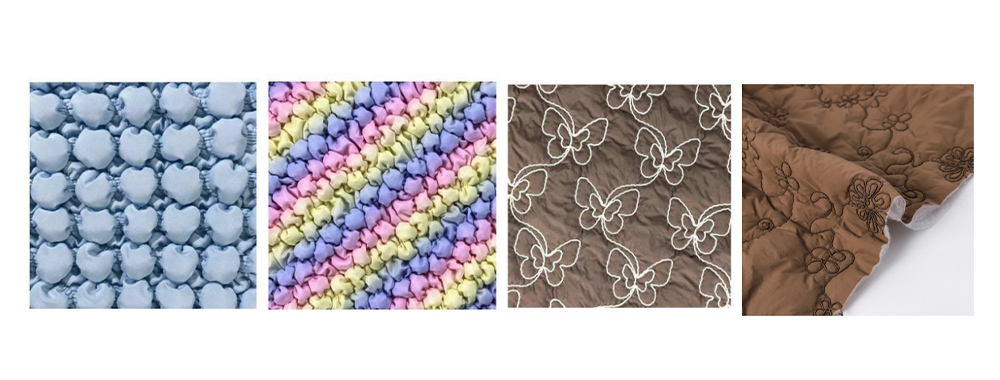
תפירה בהתאמה אישית / תפירה דקורטיבית: הכוונה לדוגמאות לא סדירות ומותאמות אישית, התפורות לפי דרישות עיצוב ספציפיות. הן יכולות לכלול לוגואים של מותגים, מוטיבים בוטניים או בעלי חיים, עיגולים קונצנטריים, צורות גיאומטריות ועיצובים בהתאמה אישית אחרים. סוג זה של תפירה מציע ייחודיות חזותית גבוהה במיוחד וזיהוי מותג.
2.2 עקרונות התאמת דוגמאות וסגנונות תיקים
סגנון תיק | דוגמאות מומלצות | סיבות |
תיק יד / שקית קניות | משבצות גדולות, קווים מקבילים, מעוינים, קווים גליים | אזורי תפירה גדולים זקוקים לדוגמאות פשוטות כדי למנוע עומס ויזואלי |
תיק יד / תיק מרובע מיני | יהלומים קטנים, שברון/אדרה | דוגמאות עדינות משתלבות עם משטחים קטנים, ומשפרות את התחושה היוקרתית |
תיק גב / תיק מחשב נייד | תפירת תעלות אנכית, עקומות חופשיות, מוטיבים של דלעת/טיפה | משלים את המבנה האנכי של התיק, ומאריך ויזואלית את הפרופורציות |
תיק קוסמטי / נרתיק אחסון | מוטיבים פרחוניים מרופדים, יהלומים, לבבות | אזורים קטנים יכולים להכיל דוגמאות מורכבות, ולהוסיף נופך שובב |
2.3 פרטי תהליך התפירה
- צפיפות תפר: בדרך כלל 8-10 תפרים לאינץ' (8-10 SPI). צפיפות מוגזמת עלולה לנקב את סיבי המילוי ולגרום להתקבצות; צפיפות לא מספקת גורמת לקיבוע חלש.
- מתח חוט עליון וחוט סליל: יש לשמור על איזון; אחרת, שכבת המילוי עלולה לזוז ("נדידת סיבים") או שבד הפנים עלול להתקמט בנקודות של מתח לא אחיד.
- חומר חוט הסליל:
- קווילט סטנדרטי: בדרך כלל משתמש בחוט פוליאסטר מאותו חומר כמו החוט העליון.
- תפרים מתוחים מרופדים: בדרך כלל משתמשים בחוט אלסטי בעל תכונות מתיחה כדי להגביר את התכווצות הבד, ובכך להשיג אפקט תפירה תלת-ממדי מלא יותר. זה משמש בעיקר לתיקים רכים וקז'ואליים.
3. בחירת חומרים
לטכנולוגיית התפירה יש דרישות מסוימות מבדים: עליהם להיות בעלי מתח יציב של עיוות וערב, עובי בינוני והתאוששות טובה של התפרים.
3.1 חומרים טבעיים
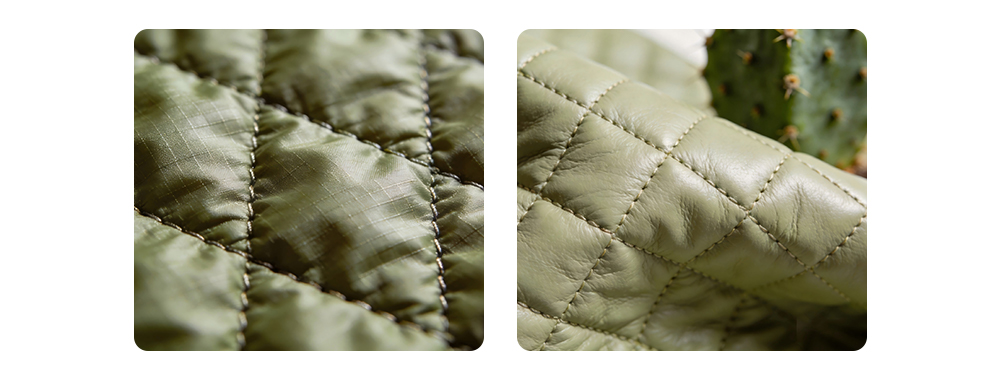
- עור אמיתי (עור עגל, עור כבש): חומר איכותי למוצרי עור מרופד. המבנה הסיבי של העור מאפשר לו לשמור על אפקט תלת-ממדי נפוח/בולט לאחר התפירה, והוא מפתח פטינה ייחודית לאורך זמן עם השימוש. החסרונות כוללים עלות גבוהה, משקל כבד ודרישות גבוהות מציוד התפירה (דורש מחטים ורגליים ספציפיות לעור). בנוסף, לעור אין גמישות מובנית, ולכן עיצובי דוגמאות חייבים לאפשר מידה מסוימת של "קלות"; אחרת, קווי התפר נוטים להיסדק.
- בד כותנה: הבחירה המובילה לסגנונות ידידותיים לסביבה וקז'ואל. בד קנבס, לאחר תפירה, מציג תחושה טבעית ורפויה/גבוהה, מה שהופך אותו מתאים לקווי מוצרים בסגנון יפני, לשימוש חיצוני או וינטג'. עם זאת, לבד כותנה יש ספיגת לחות חזקה; אם שכבת המילוי מכילה גם סיבים טבעיים, יש צורך בטיפול נגד עובש. מומלץ לשלב אותו עם ציפוי עמיד למים (כגון ציפוי PU או טיפול בשעווה) כדי לשפר את הפרקטיות.
3.2 חומרים סינתטיים
- ניילון (ניילון 210D–840D): בד הליבה לתיקים מרופדים קלים. קולקציות הניילון המרופד של פראדה הוכיחו כי חומר "תעשייתי" זה יכול להיות חדור תכונות אופנתיות. ניילון עמיד בפני שחיקה, קמטים וקל לתחזוקה, עם תאימות מצוינת לשכבות מילוי פוליאסטר. החסרונות כוללים תחושה נוקשה יותר בסביבות בטמפרטורה נמוכה ובעיות חשמל סטטי מורגשות.
- פוליאסטר (פוליאסטר / בד דמוי זיכרון): האפשרות המשתלמת ביותר מבחינת עלות. בדי פוליאסטר מודרניים, באמצעות תהליכי גימור כגון טיפולים דמויי זיכרון וכותנה, יכולים כיום להשיג תחושה הדומה לזו של חומרים טבעיים. יתרונותיהם כוללים רוויה גבוהה של צבע, תאימות חזקה להדפסה ועמידות טובה לאור. עבור קווי אופנה מהירה הדורשים החלפות צבע תכופות או הדפסה דיגיטלית, פוליאסטר הוא בחירה פרגמטית.
- עור סינתטי PU/PVC: תפירת עור מלאכותי היא הפתרון החסכוני ביותר להשגת מראה "יוקרתי". עור PU בדרך כלל בעובי של 0.6-1.2 מ"מ וניתן לתפור אותו ישירות ללא צורך בבד גיבוי נוסף. עם זאת, שימו לב לדברים הבאים: PVC נוטה להפוך שביר בטמפרטורות נמוכות ואינו מתאים למכירה באזורים קרים; PU נושא סיכון של הידרוליזה, וחשיפה ממושכת לסביבות חמות ולחות עלולה לגרום להתקלפות/קילוף פני השטח.
3.3 חומרים בני קיימא מתפתחים
- פוליאסטר ממוחזר (rPET): עשוי מבקבוקי פלסטיק ממוחזרים, הוא נמצא כיום בשימוש נרחב הן לבד המעטפת החיצונית והן לסיבי המילוי של תיקים מרופדים. תכונותיו הפיזיקליות דומות לאלו של פוליאסטר בתולי, אך עם טביעת רגל פחמנית נמוכה משמעותית.
- עור מבוסס ביולוגיה (למשל, עור קקטוס, עור תפוח): אלטרנטיבות ידידותיות לסביבה מתפתחות עם תחושה קרובה לעור אמיתי, אם כי אחידות העובי מעט נמוכה יותר, ודורשת התאמת לחץ כף הרגל במהלך התפירה. הן מתאימות היטב ככלי לנרטיב הקיימות של מותג, אך כושר הייצור הנוכחי ואפשרויות הצבעים נותרו מוגבלות.
4. שאלות נפוצות (FAQ)
שאלה 1: האם תפירת קווילט גורמת להתכווצות של מוצרים מוגמרים? כיצד ניתן לשלוט בכך בייצור בכמויות גדולות?
א: כן, זה נכון. במהלך תהליך התפירה, תפרים גורמים להתכווצות הן בכיוון השתי והן בכיוון הערב של הבד. קצב ההתכווצות הספציפי תלוי בעובי המילוי, בצפיפות התפר ובגמישות חוט הסליל. הקפידו לבצע בדיקת התכווצות בתפירה לפני ייצור בכמויות גדולות ולהוסיף פיצוי במהלך ייצור הטושים.
שאלה 2: עבור חומרי מילוי שקיות מרופד, כיצד יש לבחור בין ריפוד פוליאסטר לבין בטנת ספוג?
א: זה תלוי במיקום התיק. יריעת פוליאסטר (80-300 גרם למ"ר) היא זולה ורכת למגע, מה שהופך אותה מתאימה לתיקי יד יומיומיים ותיקי איפור. בטנת ספוג (3-6 מ"מ) מציעה קשיחות גבוהה וריפוד חזק, מה שהופך אותה מתאימה לתיקי מחשב נייד או תיקי יד מובנים הדורשים אפקט מעוצב. אם רוצים אפקט תפר תלת-ממדי בולט, בטנת ספוג יעילה יותר; אם משקל קל ונופך הם בראש סדר העדיפויות, בחרו ביריעת פוליאסטר בצפיפות נמוכה.
שאלה 3: אילו אפשרויות ידידותיות לסביבה זמינות עבור תיקים מרופדים? האם ניתן לייצר אותם לחלוטין מחומרים ממוחזרים?
א: כן, הם יכולים. הבד החיצוני יכול להיות עשוי מפוליאסטר ממוחזר rPET או מבד כותנה אורגני, שכבת המילוי מחיפויי פוליאסטר ממוחזרים rPET, וגם הבטנה מחומרים ממוחזרים, ויוצרת מבנה סנדוויץ' ממוחזר לחלוטין. עבור מסלול של חומר טבעי, בד כותנה אורגני עם מילוי כותנה אורגני הוא אופציה, אם כי יש לשקול טיפולים נגד עובש ומעכבי בעירה עבור סיבים טבעיים. נכון לעכשיו, עורות צמחיים (כגון עור קקטוס) המשמשים בתפירת קווילט נותרו יישום נישה, מוגבל בעיקר על ידי אחידות עובי ואפשרויות צבע.
שאלה 4: כיצד ניתן למנוע נדידת סיבים או התגלמות לאורך קווי התפרים של תיקים מרופדים?
א: נדידת סיבים נובעת בעיקר ממתח לא מאוזן של חוט עליון/סלילה או מרווח תפרים רחב מדי. מומלץ לשמור על צפיפות תפרים של 8-10 תפרים לאינץ' (8-10 SPI) ולהבטיח שלשכבות המילוי יש קצוות נקיים ומסודרים ללא סיבים רופפים במהלך החיתוך. יצירת פילינג קשורה לחומר חוט הסלילה ולחיכוך; מומלץ להשתמש בחוט תפירה מפוליאסטר ולהימנע מחוט כותנה קצר.





 רשת נתמכת