
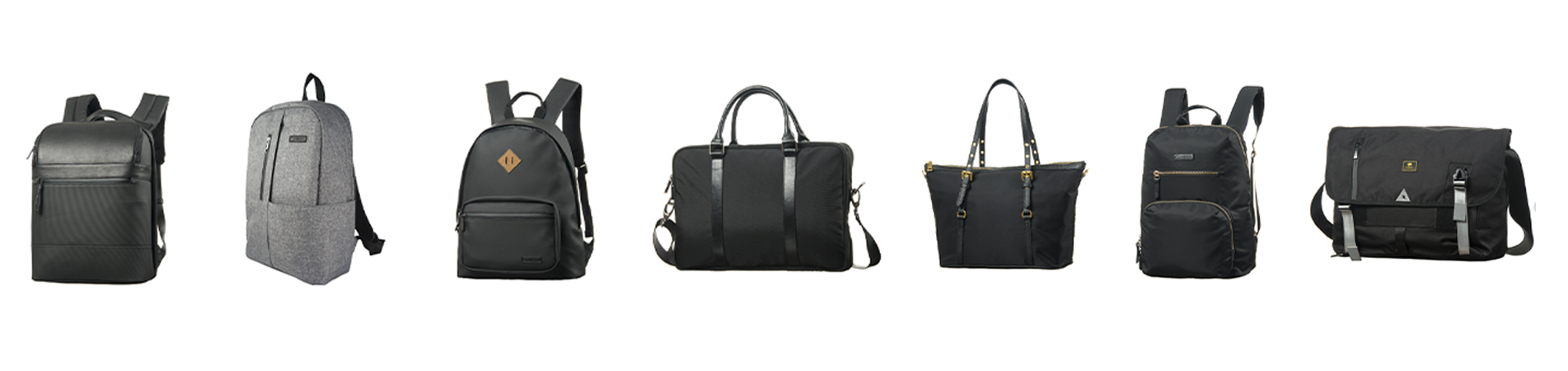
בתחום תיקי האופנה המותאמים אישית של יצרנים מקוריים (OEM) ושירותי רכישה (ODM), בחירת החומרים היא הגורם המרכזי שקובע את מרקם המוצר, העמידות שלו, מערכת התמחור ורמת המותג. בהשוואה לצללית ולפרטי האומנות, חומר הבד מעצב ישירות את הרושם המישושי הראשוני של הצרכנים ואת המוניטין לטווח ארוך של המוצר, והוא גם גורם מפתח עבור מותגים לבניית בידול מוצרים.
בתור Synberry, יצרנית תיקי יד עם 3 עשורים של ניסיון במתן הזמנות תיקים בהתאמה אישית מחו"ל ברמות בינוניות עד גבוהות, שיתפנו פעולה עם מותגי אופנה וסטודיואים של מעצבים ביותר מ-30 מדינות ברחבי העולם. צברנו מומחיות נרחבת בבחירת חומרים, יישום תהליכים, בדיקות תאימות וייצור המוני.
מדריך זה, המשלב את המגמות האחרונות בתעשייה לשנת 2026, מפרק באופן שיטתי את היתרונות, החסרונות, התרחישים הרלוונטיים והמכשולים של שלושה חומרי עור מרכזיים לתיקים, מארבעה ממדים: ביצועים, עיצוב, קיימות סביבתית ומיצוב מותג. הוא מספק סטנדרט מוכן לשימוש לבחירת חומרים עבור קונים גלובליים.
תוֹכֶן הָעִניָנִים :
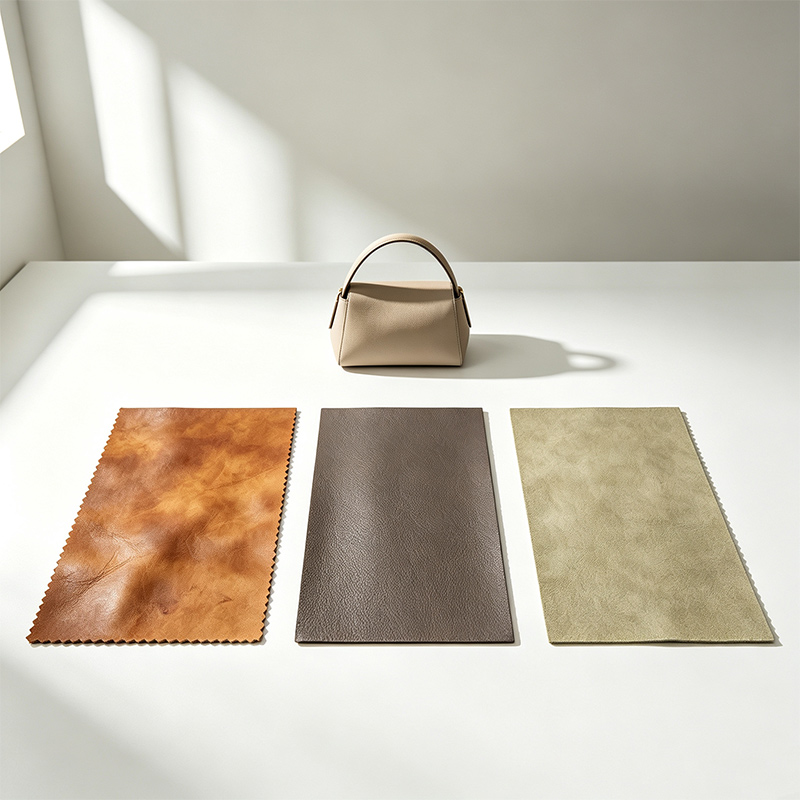
עור טבעי, המתגאה בגרגר טבעי ייחודי, מגע חם ורך ומרקם פטינה שמתפתח עם הזמן, נותר החומר המוביל עבור תיקי יד יוקרתיים ותיקי יוקרה בסיסיים. מבנה הסיבים הטבעי שלו מספק אווריריות, קשיחות ומרקם הזדקנות ייחודי שלא ניתן לשכפל על ידי חלופות סינתטיות.
בהתבסס על ביקוש שוק מפולח בשנת 2026, עור טבעי מחולק לשלוש תת-קטגוריות המותאמות לרמות שונות של קווי מוצרים פרימיום:
1.1 עור מלא גרגר - סטנדרט יוקרה מהשורה הראשונה
עור גרגר מלא שומר על שכבת הסיבים העליונה המלאה של עור גולמי ללא שיוף מוגזם או כיסוי עבה. הוא מתאפיין בגרגר טבעי ממדי, יכולת נשימה מעולה, עמידות בפני קמטים ועמידות בפני שחיקה יוצאת דופן. עם שימוש ממושך, הוא מפתח פטינה טבעית שקופה ועדינה המשדרגת את האסתטיקה שלו לאורך זמן. זהו החומר הבלעדי לסגנונות ייחודיים של בתי יוקרה, כולל הרמס ולואו, וממצב מוצרים כבעלי ערך גבוה, נצחיים ופריטי אספנות.
1.2 עור גרגר מתוקן - אופציה חסכונית למחיר בינוני עד גבוה
פגמים במשטח עור גולמי עוברים זיקוק באמצעות שיוף מדויק וציפוי אחיד, וכתוצאה מכך מראה עקבי ואיכות יציבה בכל אצוות הייצור. למרות שחלק ממרקם הגרעינים הטבעי מצטמצם, תפוקת החומר משתפרת משמעותית, ומאזנת בין איכות לעלות. זהו החומר הדומיננטי עבור מותגי יוקרה בינוניים-גבוהים בתחילת 2026, רבי מכר קמעונאיים ותיקים יוקרתיים לנסיעות יומיומיות.
1.3 עור מפוצל – חומר מעבר יוקרתי ברמת כניסה
עור מפוצל, המופק משכבת הסיבים התחתונה של עור גולמי, דורש ציפוי או חיזוק בציפוי. הוא נושא עלויות נמוכות ויכולת יציקה גמישה, אך סובל מקשיחות, אווריריות ועמידות חלשים יותר. הוא מתאים רק לפריטים יוקרתיים ברמת כניסה, פריטי טרנד קצרי טווח וקולקציות ניסיון של מותגים, אידיאלי למותגים מתפתחים שמטרתם למזער את הוצאות הפיתוח הראשוניות.
פוליאוריטן (PU) עור סינתטי הוא חומר תיקי היד המיוצר בצורה המונית ביותר בעולם, והבחירה העיקרית עבור קולקציות טרנדיות בינוניות, אופנה מהירה וסדרות מעצבים צעירים בשנת 2026. לעומת עור טבעי, PU מציע מחירים יציבים, מגוון צבעים ואיכות פני שטח אחידה, ומתאים באופן מושלם לסיבוב טרנדים רבעוני ולדרישות משלוחים חוצי גבולות בקנה מידה גדול.
עור PU מיקרופייבר בצפיפות גבוהה הפך לסטנדרט החדש בתעשייה, ועולה על עור PU קונבנציונלי באיכות נמוכה, עם היתרונות המרכזיים הבאים:
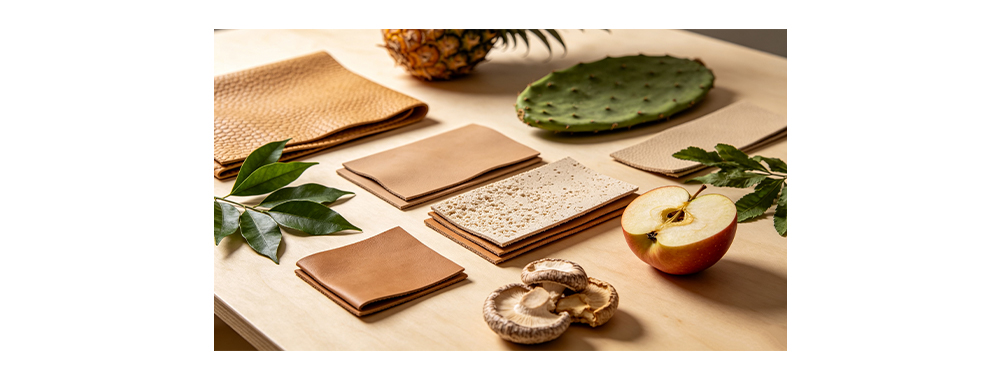
עור בר-קיימא מבוסס צמחים, העשוי מפסולת חקלאית וסיבים צמחיים טבעיים, מבטל את חסרונות דלדול המשאבים של עור מסורתי. עם תכונות דלות פחמן, ניתנות למחזור וידידותיות לסביבה, הוא משמש כחומר העיקרי עבור מותגים המתמקדים ב-ESG, חלוצים סביבתיים וקולקציות נישה של מעצבים יוקרתיים.
סינברי משלבת ארבעה סוגי עור צמחיים מיינסטרים בספריית החומרים הרגילה שלה, ותומכת באופן מלא בפיתוח תיקי יד בהתאמה אישית בני קיימא:
3.1 פיניאטקס (עור אננס)
מיוצר מסיבי עלי אננס שהושלכו, אינו דורש אדמה חקלאית נוספת או משאבי מים, מה שמאפשר מיחזור של פסולת חקלאית. הוא כולל מרקם סיבי מט מובנה, יכולת נשימה טובה ואסתטיקה טבעית מינימליסטית, אידיאלי לתיקים אמנותיים, אקולוגיים ויוקרתיים לשימוש חיצוני.
3.2 קינוח (עור קקטוס)
עשוי מעלי קקטוס טבעיים, ייצורו אינו צורך שום מי השקיה ואינו מייצר זיהום עם יכולת קיבוע פחמן חזקה. הוא מספק תחושה רכה ועדינה, קשיחות גבוהה ועמידות בפני שחיקה, עם מרקם כמעט זהה לעור עגל. זהו החומר הצמחי הבוגר ביותר מבחינה מסחרית, המתאים באופן מושלם לקו פרימיום בסיסי-יוקרתי.
3.3 עור תפוח
חומר זה, המיוצר מפסולת תפוחים לאחר סחיטת מיץ, מפחית 12 ק"ג של פליטות פחמן דו-חמצני, ומציע ערך סיפורי אקולוגי רב עוצמה למותג. קשיות בינונית וביצועי הטבעה והדפסה מעולים מספקים גמישות בעיצוב, המתאים לתיקים אופנתיים בני-קיימא צעירים, אופנתיים ומינימליסטיים.
3.4 מיילו (עור תפטיר פטריות)
הוא גדל מתפטיר פטריות שגודל במעבדה, ומאופיין בתחושה רכה במיוחד ויכולת גמישות מעולה, תוך שהוא משכפל מרקם זמש פרימיום לאסתטיקה נישה בלעדית. הוא משמש בעיקר למהדורות מוגבלות של מעצבים ולקולקציות יוקרה נישה יוקרתיות.
תזכורת לסינברי: בעוד שעור מבוסס צמחים מצטיין בקיימות, עמידות למים ועמידות לשחיקה לטווח ארוך עבור חלק מהגרסאות עדיין נמצאות בשיפור איטרטיבי. אנו מתאימים חומרים במדויק לתרחישי שימוש במוצר ומייעצים למותגים לתקנן את תיוג המוצר ואת הוראות הטיפול כדי לקבוע ציפיות סבירות של הצרכן ולמנוע סכסוכים לאחר המכירה.
טבלת ההשוואה שלהלן מעריכה עור טבעי, עור PU איכותי ועור מבוסס צמחים על פני חמישה ממדים: ביצועים, עיצוב, קיימות, מורכבות תאימות ומיצוב מותג, ומספקת תובנות מעשיות לפיתוח מוצרים:
ממד ההשוואה | עור טבעי | עור PU איכותי | עור על בסיס צמחי |
ביצועים | מעולה, מפתח פטינה ייחודית לאורך שנים | טוב; ביצועי מיקרופייבר PU קרובים לעור אמיתי | אופטימיזציה מתמשכת; מדדי ביצועים חלקיים עדיין משתפרים |
גמישות עיצובית | בינוני; מוגבל על ידי שונות טבעית של גרגרים | גבוה במיוחד; התאמה אישית ללא הגבלה של צבע ומרקם | בינוני, נוטה לסגנון מינימליסטי טבעי |
אישורי קיימות | בינוני; מסתמך על תהליכי שיזוף תואמים | זכאות נמוכה, ללא זכאות לתווית אקולוגית | נקודת מכירה בת קיימא יוצאת דופן ובולטת |
מורכבות תאימות | בינוני, מתמקד בהסמכת שיזוף | דרישות בקרה כימיות גבוהות וקפדניות | סיכוני תאימות חוצי גבולות נמוכים ומינימליים |
מיצוב מותג | קווי יוקרה קלאסיים ושומרי ערך | אופנה מהירה וקולקציות טרנדיות בינוניות | חלוצים מודעים לסביבה ומותגי מעצבים נישה |
בהתבסס על נתוני המחקר והפיתוח של Synberry בתחום החומרים ותובנות מתעשיית האופנה העולמית, שלושה טרנדים בולטים של חומרים יעצבו את עיצוב תיקי היד בשנת 2026, וישמשו ככלי בידול מרכזיים עבור מותגים:
חומרים בודדים לעיתים רחוקות מאזנים בין אסתטיקה, פונקציונליות, עמידות בפני שחיקה ועלות בו זמנית, ולכן עיצוב מרוכב רב-חומרים הפך לסטנדרט עבור סגנונות רבי מכר. הנוסחה המרכזית בתעשייה: עור צמחי לגופי תיקים כדי להגביר את זהות המותג האקולוגי, פוליאוריתן מיקרופייבר עמיד בפני שחיקה לנקודות לחץ ובסיסי תיקים כדי להגביר את הפרקטיות.
RPET בטנה יכולה להיות גם אופציה חזקה לשיפור הקיימות הכוללת של התיק.
2. חומרים פונקציונליים חכמים
תיקי יד אופנתיים משתלבים עמוקות עם פונקציונליות טכנית. חסימת אותות RFID בטנה (מגוננת), בטנה מבודדת תרמית ובדים אנטיבקטריאליים צצים כשדרוגים מרכזיים עבור תיקי אופנה פונקציונליים בשנת 2026. הם הופכים תיקי יד מאביזרים דקורטיביים בלבד לפריטים רב-תכליתיים עם הגנה, נוחות ותועלת, ומספקים מענה למגוון תרחישים יומיומיים עבור צרכנים צעירים.
3. שרשראות אספקה שקופות והסמכות סטנדרטיות
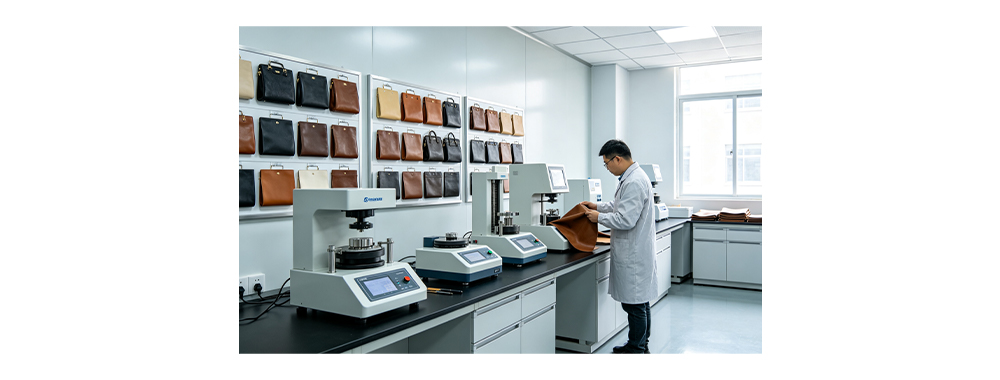
צרכנים ופלטפורמות מסחר אלקטרוני בחו"ל מעלים דרישות גבוהות יותר ויותר למעקב אחר חומרים, ייצור ידידותי לסביבה ותעודות תאימות. מוצרים המאושרים במלואם על ידי GRS, REACH ותקנים אחרים זוכים לאמון צרכנים גדול יותר, שיעורי אישור גבוהים יותר לפלטפורמות ושולי פרמיה רחבים יותר. שרשראות אספקה שקופות ותאימות הפכו ליתרונות תחרותיים מרכזיים עבור מותגים המרחיבים את השווקים בחו"ל.
שאלה 1: האם ניתן למחזר עור PU?
א: הטכנולוגיה הנוכחית אינה תומכת במחזור שכבת הציפוי PU, אם כי בד הבסיס יכול להיות עשוי מ-100% rPET. שיעור המחזור הכולל של עור PU נע בין 40% ל-58%, ומכאן המונח "rPET PU" המשמש באופן נרחב עבור גרסאות PU ממוחזרות.
שאלה 2: מהו פער העמידות בין PU מיקרופייבר לעור אמיתי?
א: עם טכנולוגיית ייצור המוני משנת 2026, פוליאוריתן מיקרופייבר פרימיום בצפיפות גבוהה מספק עמידות כמעט שווה ערך לעור טבעי ברמה נמוכה עד בינונית. מצע הסיבים העדינים במיוחד שלו משפר באופן דרסטי את הידבקות הציפוי, את עמידות הסדקים ואת עמידות הקמטים, ומסיר פגמים מרכזיים של פוליאוריתן מסורתי כגון קילוף, התפרקות ושבירות. עם זאת, נותרו הבדלים מהותיים לעומת עור טבעי פרימיום מבחינת אווריריות, מרקם הזדקנות פטינה ושימור ערך מכירה חוזרת לטווח ארוך.
שאלה 3: באילו תקני תאימות חייבים לעמוד חומרי תיקי יד לצורך ייצוא לאירופה ולצפון אמריקה?
א: שלוש דרישות תאימות מרכזיות חלות:
1. תקנת REACH של האיחוד האירופי מגבילה שאריות ממסים של DMF בפוליאוריתן; תקנת CPSC האמריקאית אוכפת הגבלות על תכולת פתלטים.
2. מומלץ לקנות עור טבעי מבתי לעיבוד עורות בעלי הסמכת LWG.
3. חומרים ממוחזרים דורשים תמיכה בתעודת GRS.
שאלה 4: אילו תעודות עקיבות זמינות עבור עור מבוסס צמחים?
א: בעוד שעור מבוסס צמחים תומך במעקב, אין מערכת הסמכת עסקאות גלובלית מאוחדת. המעקב מאומת באמצעות דוחות בדיקות אצווה של ספקים, הסמכת תוכן מבוסס ביולוגיה, דוחות LCA (הערכת מחזור חיים) והסכמי רישוי רשמיים בין מותגים וספקי חומרים (מותגים המשתפים פעולה עם Piñatex, Desserto ויצרני חומרים אחרים נשמרים ברשימות שותפים מורשים רשמיות).
שאלה 5: האם עורות צמחיים כמו עור אננס וקקטוס מספקים עמידות יומיומית מספקת?
א: הביצועים עומדים בדרישות השימוש היומיומיות:
שאלה 6: כיצד לתחזק תיקי עור מבוססי צמחים מדי יום?
א: עור צמחי דורש תחזוקה מעט יותר זהירה מאשר עור PU סטנדרטי:
שאלה 7: כיצד בחירת החומרים משפיעה על עלויות ייצור תיקי יד ועל מסגרות התמחור?
א: חומר מעצב באופן ישיר את מבני העלויות ואת פוטנציאל הפרמיה:
שאלה 8: איזה חומר נושא את הסיכון הנמוך ביותר עבור מותגים חדשים שמשיקים את הקולקציה הראשונה שלהם?
א: מותגים חדשים שמנסים את קו המוצרים הראשון שלהם צריכים לתת עדיפות לפוליאוריתן מיקרופייבר בצפיפות גבוהה:
שאלה 9: מלבד עור מבוסס צמחים, אילו אפשרויות נוספות קיימות עבור קווי מוצרים בעלי מיקוד בר-קיימא?
א: פוליאוריתן ממוחזר, בטנת RPET ממוחזרת וחומרים אחרים הממוחזרים הם חלופות חסכוניות. חומרים אלה מתאפיינים בשרשראות אספקה בוגרות, ביצועים יציבים ועלויות נמוכות יותר מאשר עור צמחי נישתי, מה שמקל על פיתוח קולקציות בנות קיימא המקובלות בשוק ההמוני.
בחירת חומרי תיקי יד אופנתיים לשנת 2026 אינה עוד פשרה פשוטה של עלויות, אלא איזון מקיף של מיצוב מותג, עיצוב אסתטי, פונקציונליות מעשית, עמידה בתקנים חוצים גבולות וערך סביבתי. עור טבעי בונה מראה יוקרתי נצחי, מיקרופייבר PU מאפשר אופנה מהירה ניתנת להרחבה, עור צמחי מחזק זהות מותג בת קיימא, וחומרים ממוחזרים מאפשרים מוצרים ידידותיים לסביבה לשוק המוני.
התאמת חומרים מדויקת מאפשרת למותגים לשלוט בעלויות, להפחית סיכוני תאימות חוצי גבולות, לחזק את בידול המוצרים ולהגדיל את שולי הפרמיה הקמעונאיים. סינברי, המגובה בשרשרת אספקה גלובלית בוגרת של חומרים, מערכות בקרת איכות קפדניות בסחר חוץ ושירותי ייצור מקצועיים בהתאמה אישית, מספקת פתרונות מקצה לקצה למותגי אופנה גלובליים ולמעצבים עצמאיים - הכוללים ייעוץ בחומרים, פיתוח דוגמיות, ייצור המוני ומשלוח תואם - ופועלת כשותפה ייצור יציבה לטווח ארוך עבור מותגים בחו"ל.
| מְחַבֵּר | ||||||
|
אנא המשך לקרוא, להישאר מעודכן, להירשם, ואנו מזמינים אותך לספר לנו מה אתה חושב.




זכויות יוצרים
@2024 Synberry Bag & Package Products Co.,Ltd כל הזכויות שמורות
.
 רשת נתמכת
מפת אתר / בלוג / Xml / מדיניות פרטיות