קנבס, בד עתיק ועמיד זה, מילא תפקיד חיוני במהלך הציוויליזציה האנושית. לאחר שעמד בסערות הימים ובאבק היבשה, הוא עבר טרנספורמציה אמנותית מחומר פרקטי לסמל אופנה. מראהו חסר היומרות ומרקמו העדין מאפשרים לו לבלוט בעיצוב מודרני, והפך לחומר הנשמה של תיקים קלאסיים רבים. בין אם מדובר בתיק נסיעות בסגנון וינטג', תיק יד מינימליסטי ואלגנטי, או תיק צד יומיומי, קנבס משלים בצורה מושלמת שפות עיצוב שונות, ומציג חמימות ואישיות ייחודיים.
Ⅰ, הגדרת הקנבס, יתרונות וחסרונות עיקריים.
1. הגדרה:
קנבס הוא בד עבה ועמיד העשוי מכותנה, פשתן או תערובות כותנה-פשתן, ארוג באריגה חלקה או במבנה חוטים מרובי שכבתי. במקור שימש לייצור מפרשים (ומכאן השם "קנבס"), וכיום הוא נמצא בשימוש נרחב בתחומים שונים.

2. יתרונות עיקריים
- עמיד ועמיד בפני שחיקה, לאורך זמן: המבנה הארוג הרב-שכבתי בעל הצפיפות הגבוהה מספק עמידות מצוינת בפני שחיקה, מה שהופך אותו לעמיד בפני שריטות יומיומיות ופחות נוטה לנזק.
- יכולת נשימה טובה, לא מחניק או לח: מבנה הסיבים הטבעיים יוצר שכבת מיקרו-סירקולציה המקדמת באופן רציף זרימת אוויר, מסלקת ביעילות לחות וחום, ומונעת מחניקות.
- גמישות גבוהה, קלה לעיצוב: קנבס ניתן לכביסה, צביעה, הדפסה וציפוי, ומציע תאימות גבוהה לתהליכים שונים ויכולת ליצור אפקטים אסתטיים מגוונים.
- ידידותי לסביבה ומתכלה ביולוגית: בניגוד לבדים סינתטיים מסורתיים, חומרים טבעיים כמו כותנה ופשתן מתפרקים ביולוגית בתנאים מתאימים, ומתפרקים לחומרים שאינם מזיקים לסביבה לאחר הסילוק.
- עמידות טובה למים: קנבס לא מצופה כבר בעל תכונות דוחות מים בסיסיות בשל מאפייני הסיבים וצפיפותם, ועמידותו למים משתפרת עוד יותר כאשר מטופל בשעווה או ציפויים.
- מרקם ייחודי: המרקם המחוספס והטבעי לא רק מציג אסתטיקה פשוטה ווינטג'ית, אלא גם משדר קסם חם ועבודת יד.
3. חסרונות עיקריים
- כבד: בהשוואה לבדים סינתטיים קלים, קנבס כבד יותר וחסר את תכונות הקלות.
- נוטה לקמטים: קנבס מתקמט בקלות, במיוחד לאחר כביסה, ודורש גיהוץ כדי להחזיר את חלקותו.
- ייבוש איטי: בשל ספיגת הלחות החזקה שלו, מוצרי קנבס לוקחים זמן רב יותר להתייבש לאחר שהם רטובים.
- נוטה לטחב: בסביבות לחות, בד קנבס נוטה לטחב ולפתח ריחות לא נעימים, ולכן יש לאחסן אותו במקום יבש.
- נוטה לדהייה והצהבה: קנבס בצבע כהה יכול לדהות עם חשיפה ממושכת לשמש, בעוד שבנס לבן או בהיר עלול להצהיב עקב חמצון.
- נוטה להתכווצות ועיוות: לאחר כביסה, הקנבס עלול להתכווץ או לאבד את צורתו, דבר שיפגע בהתאמה המקורית וביציבות הגודל של התיק.
II, מקורו ואבולוציה של קנבס
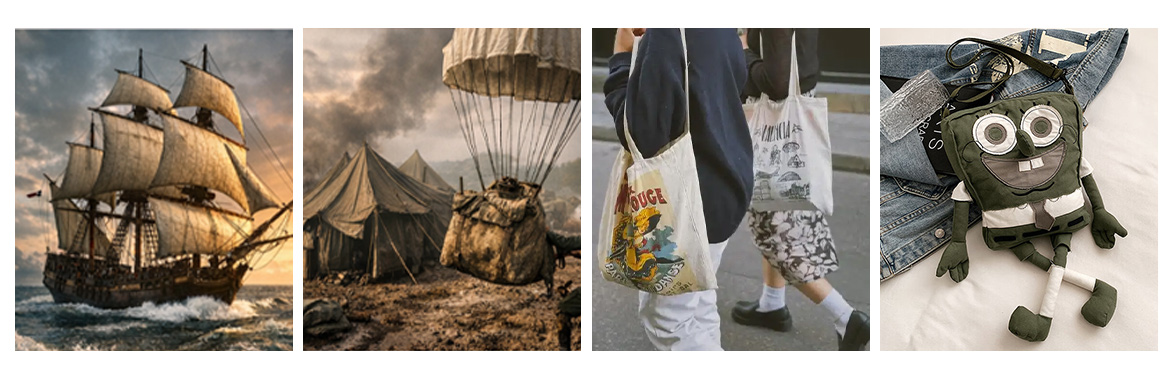
- במקור הוא נארג כדי להחזיק מפרשים, כדי לעמוד בפני המלח וסערות הים, כאשר חוטיו מלאים בשאפתנות של נוסעים וכמיהתם לארצות לא ידועות.
- מאוחר יותר, מלחים נשאו אותו לחוף, שם הוא שירת ברציפים, במחנות צבאיים ועל כתפי דוורים, סופג את ריחות שמן המנוע, כתמי קפה וגשם, וזכה לפטינה של זמן.
- כאשר נשמעה שריקת המהפכה התעשייתית, נחתך קנבס לתיקי כלים, תיקי אוכף ותרמילים של חוקרים, שליוו אנשים ברחבי מדבריות, יערות גשם והרים מושלגים, כשהם נושאים מפות, טבק וחלומות.
- במהלך מלחמת העולם השנייה, הוא הפך לאוהלים צבאיים ולתיקי אספקה להנחת אוויר, והעביר את האמונה בהישרדות בתוך אבק שריפה ובוץ.
- בתקופת שלום, הוא כוסה בגרפיטי על ידי צעירי רוק, תוקנו על ידי היפים, והודפס בהדפס משי בפרצופי פופ ארט על ידי אמנים. החוטים הגסים החלו לשקף ניאון, מתנדנד בין הרחובות לבמה בקצב מאולתר.
- עם כניסתם של המעצבים לאלף החדש, בד קנבס הובאו על ידי מעצבים למסלולי התצוגות של פריז ומילאנו. קרל לגרפלד יצר מחדש את תיק המלחים, איסי מיאקה קיפל אותו למודולים גיאומטריים, וסטלה מקרטני ארגה אותו מפלסטיק ממוחזר למראה ידידותי לסביבה.
- כיום, הוא שוכב בסינרים של בריסטות, בתיקים של פאשניסטות ובתיקי צד של נוסעים לעבודה, וממשיך לאסוף את חמימות העיר.
Ⅲ, תרחישי היישום העיקריים של קנבס בתעשיית התיקים.
1. תיקי נסיעות יומיומיים ותיקים יומיומיים
- תיק בד: תיק בד בד הוא ללא ספק פרשנות קלאסית של חומר זה. עם שפע של מקום אחסון ומאפיינים עמידים, הוא מתאים בקלות למגוון תרחישי שימוש יומיומיים.
- תיק צד עם כתף אחת: תיק זה, הממשיך את העיצוב המינימליסטי של קולקציית הקנבס, משלב קלילות ופרקטיות, ומציע מספיק מקום לפריטים חיוניים יומיומיים. הקווים החלקים וסגנון הלבישה הקז'ואל שלו לא רק משחררים את הידיים אלא גם משתלבים בצורה חלקה עם תלבושות קז'ואל.
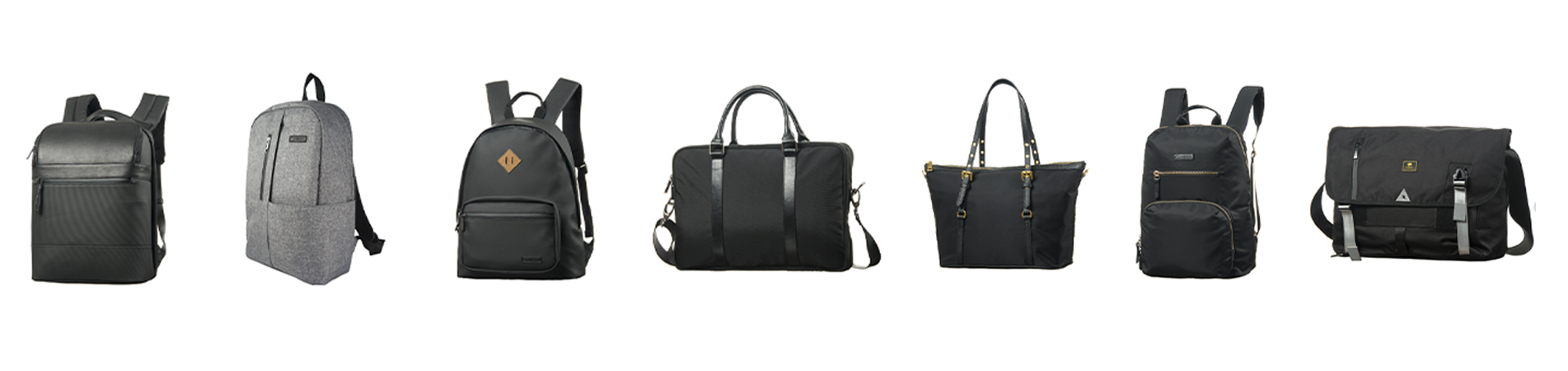
- תרמיל גב: תרמיל גב מבד קנבס הוא בחירה פופולרית בקרב סטודנטים ונוסעים. הוא אמנותי יותר מניילון וקל ועמיד יותר מעור. לעתים קרובות בשילוב עם גימור עור, הוא משפר את המרקם והסגנון הכלליים.
2. תיקי כלים ומקצועיים
- תיק מצלמה: תיקי מצלמה מוקדמים היו עשויים לרוב מבד קנבס, שכן העובי הטבעי שלו מספק ריפוד רך אך אמין להגנה על ציוד עדין מפני מכות ושריטות.
- תיק כלים, תיק חשמלאי: העמידות והקלות לניקוי של הבד הופכים אותו לאידיאלי לנשיאת כלים כבדים. חוזקו מבטיח שהכלים יועברו בבטחה תוך שמירה על סדר ונגישות בקלות.
- תיק צבאי: בתחום הציוד הצבאי, בד קנבס עבה היה זה מכבר חומר הליבה לייצור תרמילים. בד זה לא רק עמיד בפני שחיקה וקריעה, אלא גם מסוגל לעמוד בסביבות קשות ובשימוש אינטנסיבי.
3. תיקי נסיעות וחוץ
- תיק נסיעות, תיק מזוודות: תיקי בד גדולים, עם פנים מרווחים, מכילים בקלות בגדים לטיולים בני מספר ימים. הם עמידים מאוד בפני פגיעות, מה שהופך אותם לבחירה אידיאלית לטיולים קצרים ולתיקים לציוד ספורט.
- תרמיל גב לחוץ: בעוד שתיקי גב מודרניים ויוקרתיים לחוץ משתמשים לעתים קרובות בחומרי ניילון מתקדמים, תרמילי גב מקנבס נותרים פופולריים בטיולים עירוניים בזכות המראה הוינטג'י שלהם והפונקציונליות המספקת שלהם.
- תיק פיקניק, תיק אוכל: המרקם הטבעי והתחושה הכפרית של בד הקנבס משלימים בצורה מושלמת את האווירה הנינוחה של פעילויות חוץ. בין אם לפיקניקים, קמפינג או מפגשים מזדמנים בפארק, תיקי בד מספקים את השילוב המושלם של קלילות, אווריריות ועמידות, ומלווים כל טיול בקלות.
4. פריטים ידידותיים לסביבה וקידום מכירות
- שקיות קניות ידידותיות לסביבה: עם יישום מגבלות הפלסטיק, שקיות קניות מקנבס הפכו לבחירה המועדפת כחלופות ידידותיות לסביבה לשימוש חוזר. ניתן להתאים אותן אישית עם דוגמאות מודפסות, מה שהופך אותן לאידיאליות לקידום מותגים או כמתנות לאירועים.
- שקיות מתנה לקידום מכירות: עם עלויות נמוכות יחסית ופרקטיות גבוהה, שקיות קנבס לקידום מכירות הן בחירה נפוצה עבור עסקים המעוניינים להתאים אישית לוגואים כמתנות עסקיות. שקיות אלו שימושיות, עמידות ומציעות נראות מצוינת לקידום המותג.
5. תיקים תרבותיים ויצירתיים
המרקם הטבעי והקסם הווינטג'י של קנבס משלימים בצורה מושלמת את החמימות בעבודת יד ואת הביטוי האמנותי של מוצרים תרבותיים ויצירתיים. בין אם משתמשים בו כתיקיות איור, אביזרי אמנות או יצירות בעבודת יד של מעצבים עצמאיים, קנבס משפר דוגמאות יצירתיות עם הבסיס הפשוט שלו, ומעביר איכות אסתטית וסיפורית ייחודית.
6. תיקי מותג אופנה ועיצוב
מותגי יוקרה ומעצבים רבים (כגון ברברי, דיור והרמס עם ה-Hermès) משלבים גם הם שילוב של קנבס ועור בקולקציות שלהם. הקנבס המשמש בתיקים אלה ארוג בדרך כלל בחוטים עדינים יותר, מטופל במיוחד, ולעתים קרובות מעוטר במונוגרמה או בדוגמאות האייקוניות של המותג. שילוב זה משלב עמידות עם אסתטיקה יוקרתית, ויוצר לא רק פריט פונקציונלי, אלא גם סמל של מעמד ותחכום. המיזוג של קנבס ועור מייצג גם פרקטיות וגם אקסקלוסיביות, מה שהופך את התיקים הללו למבוקשים מאוד בעולם האופנה העילית.
Ⅳ, עתיד הקנבס
בעולם של היום, בו קיימות והתאמה אישית משגשגות, החומר העתיק קנבס יוצא למסלול אבולוציוני חדש. בעתיד, קנבס לא רק ימשיך לשאת את קסמו הקלאסי של טבעיות, עמידות ומראה וינטג'י, אלא שהוא עשוי גם לחדש בממדים הבאים.
1. מיזוג חומרים וטכנולוגיה
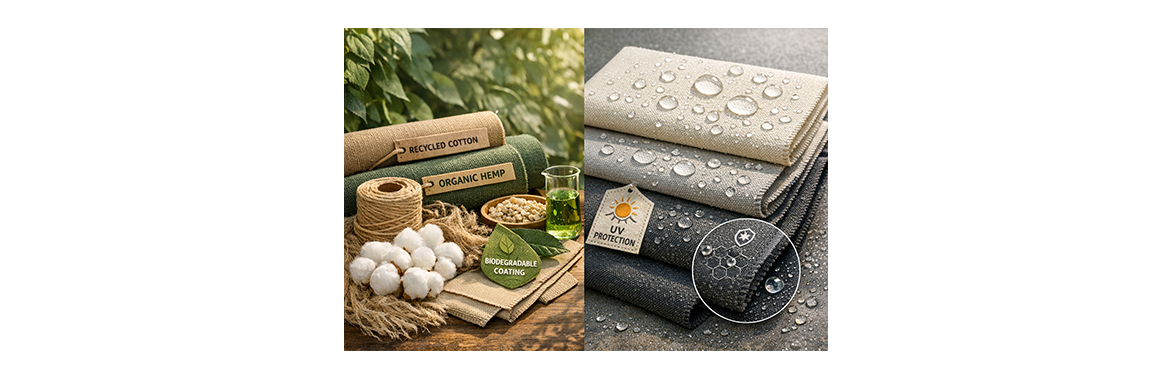
- שיפור קיימות: יישום כותנה ממוחזרת, קנבוס אורגני וציפויים מתכלים ישפר עוד יותר את התכונות הידידותיות לסביבה של קנבס, ויקדם שרשרת אספקה ירוקה לחלוטין מחומרי גלם ועד למוצרים מוגמרים.
- שדרוגים פונקציונליים: באמצעות טיפולי ציפוי ברמת ננו ושילוב של סיבים מרוכבים קלים, צפוי כי הקנבס ישמור על המרקם הייחודי שלו תוך שיפור פונקציות מעשיות כגון איטום, תכונות אנטי-מיקרוביאליות ועמידות בפני קרינת UV, מה שהופך אותו מתאים למגוון רחב יותר של יישומים.
2. הרחבת העיצוב והביטוי
- התאמה אישית ודיגיטציה: השילוב של הדפסה דיגיטלית, טכניקות צביעה ידידותיות לסביבה ושירותי התאמה אישית יהפכו את הקנבס למדיום תוסס ליצירה אמנותית ולסיפור סיפורים של מותג, וימלאו את רצונם של הצרכנים לביטוי ייחודי. טרנספורמציה דיגיטלית זו תאפשר אפשרויות יצירתיות אינסופיות, כאשר כל מוצר קנבס יהפוך ליצירת אמנות מותאמת אישית המדברת על טעמים וערכים אישיים.
- חדשנות רב-תחומית: בד קנבס עומד להשתחרר מצורות תיקים מסורתיות, ולשלב עיצובים מודולריים, מבנים מתקפלים או אפילו מערכות חכמות משולבות. התפתחות זו תאפשר למוצרי בד קנבס לעבור בצורה חלקה בין סגנון חיים חיצוני, נסיעות לעבודה ועירוני, תוך התאמה לצרכים של צרכנים מודרניים ודינמיים. עתיד הדפוס עשוי לראותו הופך לפריטים רב-תכליתיים המשלבים אסתטיקה, פונקציונליות וטכנולוגיה.

3. המשכיות רגשית וערכית
- פילוסופיית עיצוב ארוכת טווח: מוצרי קנבס ידגישו יותר ויותר את הערך ארוך הטווח של "יכולת תיקון ואריכות ימים", ויציעו שירותים כגון תוכניות תיקון ומחזור כדי להעמיק את הקשר הרגשי בין המשתמשים לחפציהם. גישה זו תעודד צרכנים לראות פריטי קנבס לא כחד פעמיים, אלא כבני לוויה עמידים שניתן לתחזק, לתקן ולטפח לאורך זמן.
- תחייה של סמלים תרבותיים: כייצוג של אסתטיקה רטרו ורוח האומנות, קנבס ימשיך לגשר בין אמנות מסורתית לחיים מודרניים. בעידן הנשלט על ידי צריכה מהירה, קנבס יהפוך לסמל של "צריכה איטית", תוך הדגשת ערך האיכות, הקיימות וההערכה למוצרים בעבודת יד. תחייה זו לא רק תכבד את האומנות אלא גם תעורר תהודה בקרב צרכנים המחפשים קשרים משמעותיים ומתמשכים יותר עם המוצרים שהם משתמשים בהם.
Ⅴ, סיכום
מהמפרשים העצומים הנישאים ברוח הים ועד לתיקים העדינים המונחים על כתפינו, קנבס עבר טרנספורמציה - מכרישת הטבע ועד לבן לוויה בחיי היומיום שלנו. בעולם התיקים, הוא גם סמל דמוקרטי של אופנה וגם הצהרה צנועה של אומנות; בחירה חומרית למען איכות הסביבה וכלי שקט לסיפורים אישיים. כל תיק קנבס אינו רק כלי לנשיאת חפצים, אלא מארג ארוג של היסטוריה, גישה ומחויבות לעתיד בר-קיימא. הוא מזכיר לנו שהכוח המתמשך ביותר טמון לעתים קרובות בצורות הפשוטות והעמידות ביותר.






 רשת נתמכת