
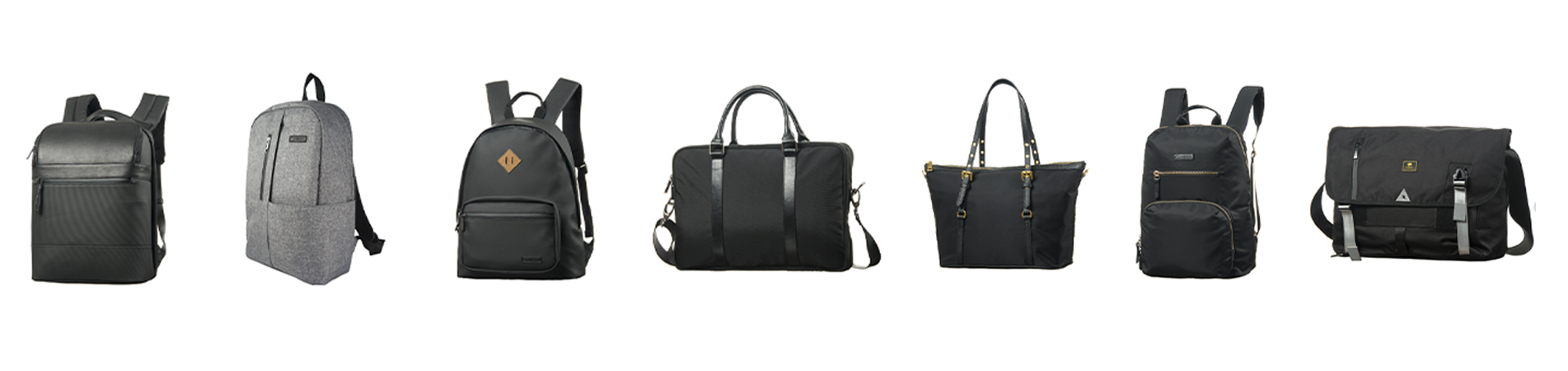
ברכש שקיות ופיתוח מוצרים, "אטימות למים" היא אחד ממדדי הביצועים המוזכרים ביותר אך גם הכי פחות מובנים. צרכנים סופיים משתמשים לעתים קרובות ב"האם הם עמידים למים" כקריטריון מפתח לשיפוט, אך יצרני שקיות מקצועיים מבינים שביצועי עמידות למים הם למעשה ספקטרום מדורג - החל מטיפולי שטח שיכולים לעמוד רק בהתזות קלות ועד מחסומי מרוכבים המסוגלים לעמוד בטבילה במים. תהליכים שונים תואמים גישות טכניות שונות לחלוטין, מבני עלות ותרחישי יישום שונים.
נכון לעכשיו, שלוש טכנולוגיות הגימור העמידות למים הנפוצות ביותר בתעשיית התיקים הן: ציפוי דוחה מים עמיד DWR, ציפוי/למינציה מפוליאוריתן PU ולמינציה מפוליאוריתן תרמופלסטית TPU.
הם אינם רק היררכיה לינארית של "טוב" ו"טוב יותר". במקום זאת, כל טכנולוגיה מייצגת פתרון שונה עם פשרות משלה בין דירוג עמידות למים, אווריריות, תחושת יד, עמידות ועלות. עבור קוני יצרני ציוד מקורי של תרמילים, הבנת ההבדלים הבסיסיים בין שלוש הטכנולוגיות הללו חיונית לפיתוח מפרטי מוצר סבירים, שליטה בעלויות ועמידה בציפיות המשתמש הסופי.
מאמר זה יספק השוואה שיטתית של שלוש טכנולוגיות גימור עמידות למים משלוש נקודות מבט: עקרונות תהליך, נתוני ביצועים ושיטות ייצור, ויציע מקור אובייקטיבי להחלטות בחירת חומרים בתעשיית השקיות.
תוֹכֶן הָעִניָנִים:
1.1.1 עיקרון טכני: לגרום לטיפות מים "לעמוד" על הבד
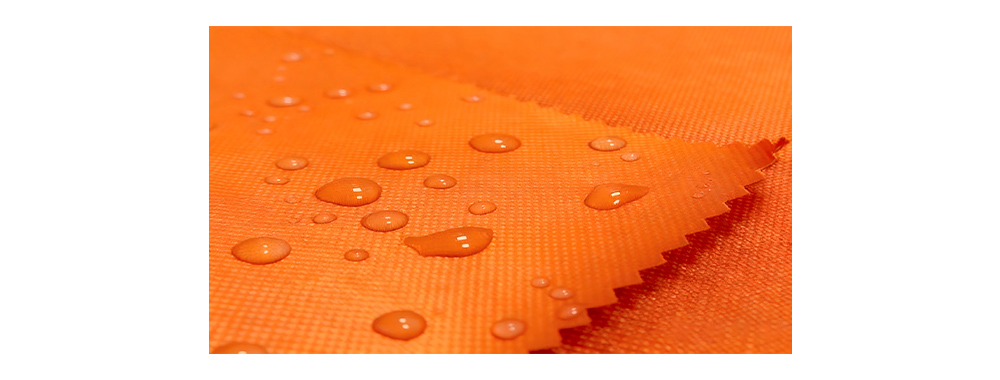
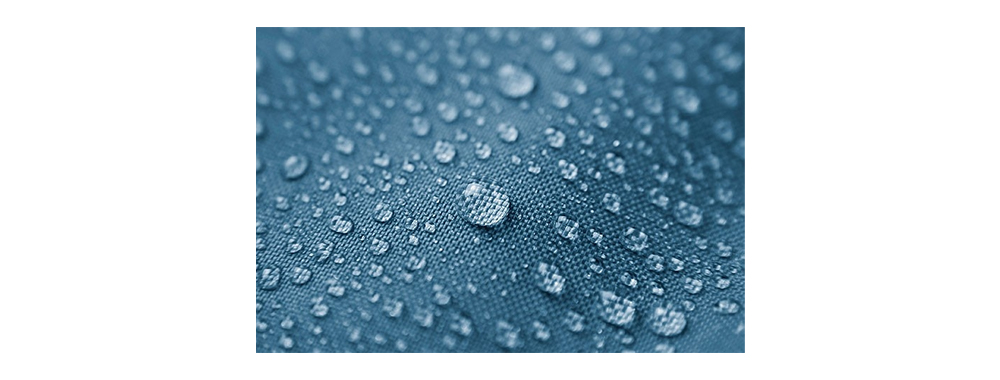
DWR (דוחה מים עמיד) הוא תהליך גימור כימי המוחל על פני השטח של בד, במקום שכבה מבנית של אטימות למים. הוא פועל על ידי שינוי מאפייני מתח הפנים של הסיבים, וגורם למולקולות מים ליצור טיפות על פני הבד ולהתגלגל, במקום להרטיב ולחדור לתוך הרווחים בין החוטים.
חשוב להבהיר כי בדיקת DWR (DWR) אינה הופכת את הבד לאטום למים. היא אינה יכולה למנוע חדירת מים תחת לחץ מים מתמשך, וגם לא לאטום את נקבוביות הטקסטיל עצמו. בד קנבס או ניילון שטופל רק ב-DWR משיג בדרך כלל ערך עומס הידרוסטטי של 300-600 מ"מ בלבד במבחן עומס הידרוסטטי, מה שאומר שהוא יכול להתמודד רק עם התזות קלות או פרקי זמן קצרים של טפטוף.
1.1.2 יתרונות עיקריים: קל משקל, אווריריות וייבוש מהיר
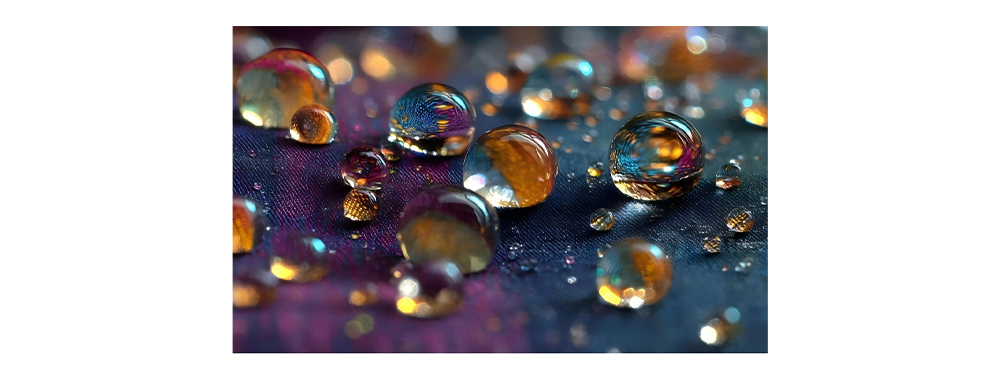
היתרון המרכזי של ציפוי DWR טמון בעובדה שכמעט ואין לו השפעה על התכונות המקוריות של הבד. מכיוון שהציפוי דק במיוחד (בדרך כלל ברמת מיקרון), תחושת היד, הרכות, הנשימה והמשקל של הבד כמעט ולא מושפעים. עבור תיקים מתקפלים, חומרי בטנה או תרמילי קיץ לנסיעות, בעלי עיצוב "אולטרה קל", ציפוי DWR הוא בחירה אידיאלית. הוא יכול גם להפחית משמעותית את כמות הלחות הנספגת על ידי הבד, לאפשר לתיק להתייבש מהר יותר בסביבות לחות ולהפחית את העומס הנגרם ממשקל מוגבר כאשר הבד סופג מים.
בייצור של תרמילים עמידים למים לחוץ, ציפוי עמיד למים (DWR) משמש לעתים קרובות כ"שכבת ההגנה הראשונה". הוא מפחית את כמות המים המגיעה למחסום העמיד למים שמתחתיו, ובכך מאריך בעקיפין את חיי השירות של שכבת העמידות למים מ-PU או TPU. לדוגמה, בתיק גב חיצוני הכולל מבנה תלת-שכבתי של "ניילון עמיד למים + משטח DWR + גיבוי PU", נוכחות ה-DWR פירושה שציפוי ה-PU אינו צריך לשאת את מלוא ההשפעה של לחות פני השטח בכוחות עצמו.
1.1.3 מגבלות: צווארי בקבוק בעמידות ועלויות תחזוקה
החיסרון הגדול ביותר של DWR הוא עמידותו. עם הזמן, לכלוך, שמנים, שאריות חומרי ניקוי, וכיפוף ושחיקה חוזרים ונשנים על פני הבד, כולם עלולים לפגוע בשכבה המולקולרית ההידרופובית של ה-DWR. צרכנים חווים לעתים קרובות את החוויה הזו: כאשר תרמיל גב חדש, טיפות מים מתגלגלות ממנו כמו מים על עלה לוטוס בגשם, אך לאחר שישה חודשי שימוש, הבד מתחיל להירטב ולספוג מים. אין זה אומר שהבד "דולף"; אלא, כישלון טיפול ה-DWR מאפשר למים להירטב ישירות ולחדור לתוך פנים הטקסטיל.
תחזוקת עמידות למים דורשת ממשתמשי הקצה ליישם מחדש מעת לעת טיפול שיקום של עמידות למים, מה שמגדיל במידה מסוימת את העלות הכוללת של השימוש במוצר. עבור מותגים, משמעות הדבר היא שיש להסביר בבירור את מגבלות ה-DWR בהוראות המוצר כדי למנוע פער בין טענות "עמידות למים" לבין הביצועים בפועל.
1.1.4 מעבר סביבתי: המעבר מ-C8 ל-C0 ותכשירים ללא פלואור
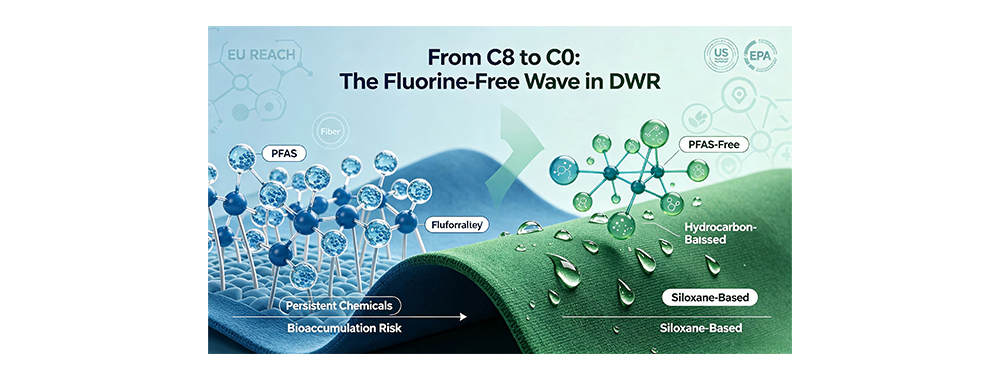
תעשיית ה-DWR עוברת טרנספורמציה סביבתית עמוקה. ניסוחים מסורתיים של DWR התבססו לעתים קרובות על תרכובות פלואור (PFAS), כגון שרשראות פלואור-פחמן C8 או C6. חומרים אלה יציבים ביותר מבחינה כימית ומוכרים כ"כימיקלים לנצח". הם יכולים להצטבר בסביבה ובאורגניזמים חיים, ולעורר חששות אקולוגיים ובריאותיים חמורים.
תקנות REACH של האיחוד האירופי, הגבלות שהוטלו על ידי ה-EPA האמריקאי, והתחייבויות הקיימות של מותגי חוץ גדולים מניעות את המעבר מפורמולציות DWR פלואוריות לפורמולציות נטולות פלואור (ללא CO2 או PFAS). טיפולי DWR נטולי פלואור מבוססים על פחמימנים או סילוקסנים. למרות שהם נחותים במקצת ממוצרים פלואוריים מסורתיים מבחינת עמידות לשמן ושומן ועמידות לטווח ארוך, הם מסוגלים כעת לעמוד בדרישות של רוב יישומי השקיות.
1.2.1 עיקרון טכני: איטום נקבוביות בד על ידי המרת נוזל למוצק
למינציה של PU (פוליאוריטן) היא תהליך הגימור הנפוץ ביותר בפני מים בתעשיית התיקים.
בניגוד לטיפול פני השטח שמספקת DWR, איטום PU כרוך במריחה ישירה של ציפוי PU נוזלי על הצד האחורי של הבד. לאחר שהציפוי מתקשה, הוא יוצר שכבת פולימר חזקה אך גמישה הנצמדת למצע הטקסטיל. שכבת PU זו ממלאת את הרווחים בין הנקודות השזורות של הבד, ובכך מונעת חדירת מים נוזליים דרכו.
עובי ציפוי PU נמדד בדרך כלל לפי "משקל הציפוי" או "עובי שכבה רטובה". ככל שמשקל הציפוי גדול יותר, כך ביצועי האיטום חזקים יותר; עם זאת, הבד גם יהפוך נוקשה וכבד יותר בהתאם. פיסת ניילון 210D בשילוב עם ציפוי PU סטנדרטי (כ-30 גרם/מ"ר) יכולה בדרך כלל להשיג ערך ראש הידרוסטטי של 1,000-2,000 מ"מ, מספיק כדי להתמודד עם גשם מתון בסביבות נסיעה יומיומיות.
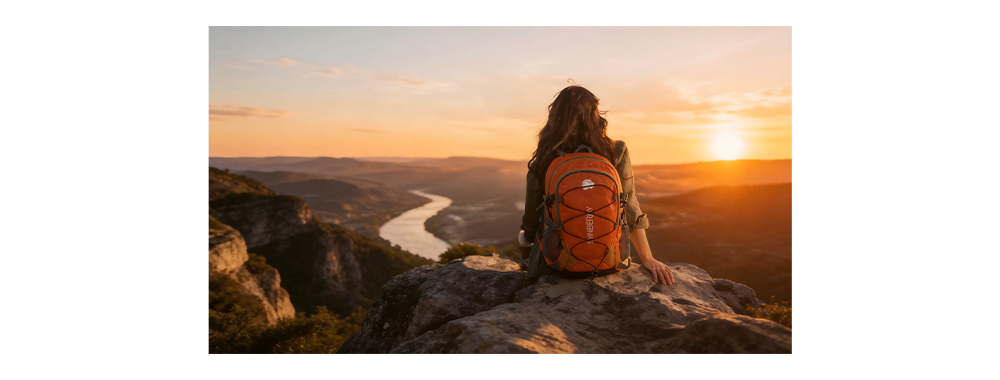
1.2.2 יתרונות מרכזיים: הבחירה המאוזנת מבחינת ביצועים
1.2.3 מגבלות: עמידות ונשימה לא מספקות
עם זאת, לציפוי PU יש גם מספר חסרונות משמעותיים שלא ניתן להתעלם מהם:
1.3.1 עיקרון טכני: מחסום חלק עשוי מאלסטומר תרמופלסטי
טכנולוגיית הקומפוזיט TPU (פוליאוריטן תרמופלסטי) מייצגת רמה גבוהה יותר של טכנולוגיית איטום לבדי תיקים. בניגוד לתהליך "ציפוי ויצירת שכבה" המשמש לציפוי PU, למינציה של TPU כרוכה בהדבקה חזקה של שכבת TPU מעוצבת מראש למצע הבד באמצעות דבק חם או כבישה בחום, ויוצרת מחסום איטום עצמאי, רציף ובעל עבה אחיד.
TPU עצמו הוא קופולימר בלוק המשלב את האלסטיות הגבוהה של גומי עם יכולת העיבוד של פלסטיק. הקטעים הקשים בשרשראות המולקולריות שלו (המורכבים מדיאיזוציאנטים ומאריכי שרשרת) מספקים חוזק ועמידות בפני טמפרטורה, בעוד שהקטעים הרכים (המורכבים מפוליולים ארוכי שרשרת) מספקים גמישות וגמישות. מבנה ייחודי זה מאפשר לסרט TPU להישאר גמיש בטווח טמפרטורות רחב מאוד (-40°C עד +80°C), מבלי להפוך לשביר בטמפרטורות נמוכות או להתרכך ולהיות דביק בטמפרטורות גבוהות כמו ציפויי PU.
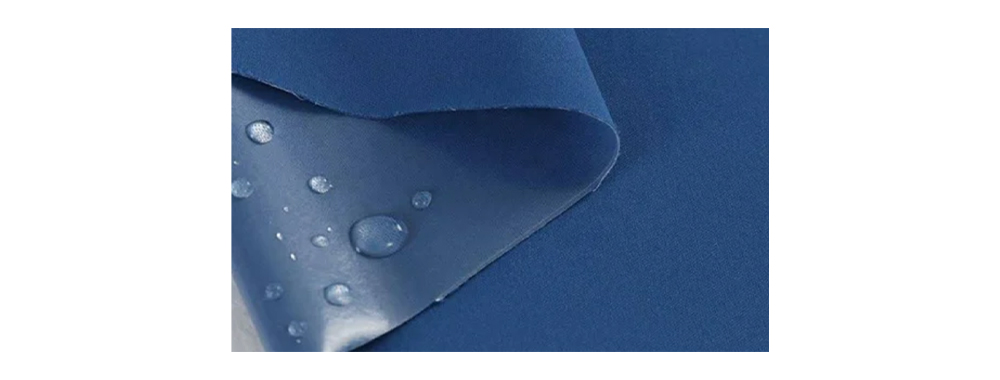
1.3.2 יתרונות ביצועים: הגנה מקיפה ברמה גבוהה יותר
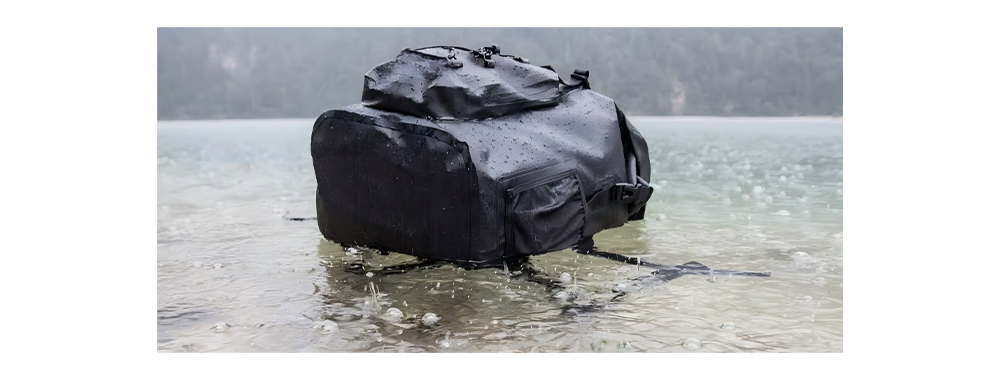
1.3.3 מגבלות: עלות ואתגרי עיבוד
החסרונות העיקריים של למינציה TPU מרוכזים בעלותה ובמורכבות הייצור שלה.
כדי לספק הבנה אינטואיטיבית יותר של ההבדלים בין שלושת התהליכים, הטבלה הבאה מציגה השוואה כמותית על פני מספר ממדים מרכזיים:
ממד ההשוואה | ציפוי DWR | למינציה PU | TPU מרוכב |
רמת איטום | דוחה מים (IPX2) | עמידות לגשם (IPX3–IPX4) | עמידות למים (IPX5 ומעלה) |
ראש הידרוסטטי | 300–600 מ"מ H₂O | 1,000–3,000 מ"מ H₂O | 3,000–20,000+ מ"מ H₂O |
יכולת נשימה (MVTR) | גבוה במיוחד (קרוב לזה של הבד המקורי) | בינוני (1,000–1,200 גרם/מ"ר/24 שעות) | יחסית נמוך (200–500 גרם/מ"ר/24 שעות) |
השפעה על תחושת היד | כמעט אף אחד | מעט נוקשה יותר | נוקשה במידה בינונית, תוך שמירה על גמישות |
עלייה במשקל | קל במיוחד (+1–3 גרם/מ"ר) | קל (+20–60 גרם/מ"ר) | בינוני (+30–80 גרם/מ"ר) |
עֲמִידוּת | נוטה לבלאי; דורש תחזוקה שוטפת | 3-5 שנים, עם סיכון להידרוליזה | 5-8+ שנים, עם עמידות מצוינת להידרוליזה |
קושי עיבוד | נָמוּך | נָמוּך | בינוני עד גבוה (דורש הדבקת תפרים או ריתוך) |
תכונות סביבתיות | מעבר לפורמולציות ללא פלואור | מעבר מניסוחים מבוססי ממס לניסוחים מבוססי מים | חומר תרמופלסטי ניתן למחזור |
יישומים אופייניים | תיקי גב יומיומיים, בטנות, תיקים מתקפלים | תרמילי גב, תיקי נסיעות, תיקי בית ספר | תיקי חוץ, תיקי צלילה, ציוד מקצועי |
לסיכום, שלושת התהליכים מראים הבדל ברור בשלבים בביצועי איטום:
עבור יצרני תרמילים מקוריים (OEM), משמעות הדבר היא שיש לקבוע את מפרטי העמידות למים בהתאם לתרחישי השימוש בפועל של המוצר, במקום לחתור באופן עיוור אחר הדירוג המספרי הגבוה ביותר האפשרי.
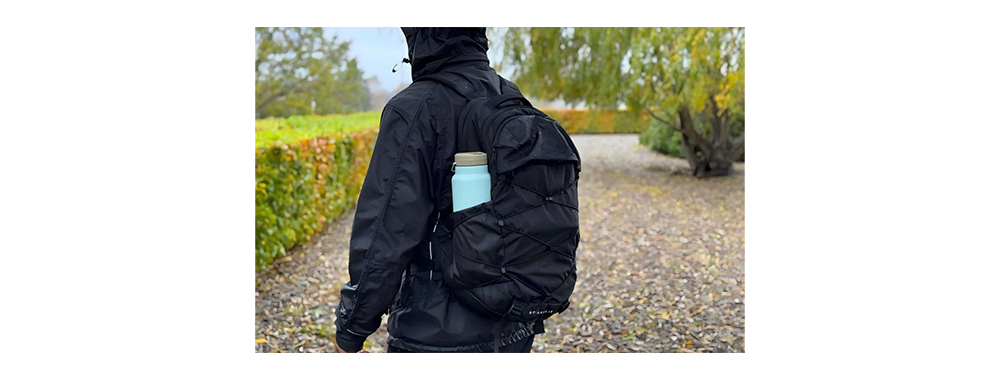
תרמילים הם אחת מקטגוריות המוצרים שבהן שלושת תהליכי האיטום מיושמים באופן נרחב ביותר, מכיוון שלתרמילים בעלי מעמדות שוק שונים יש דרישות איטום שונות בתכלית.
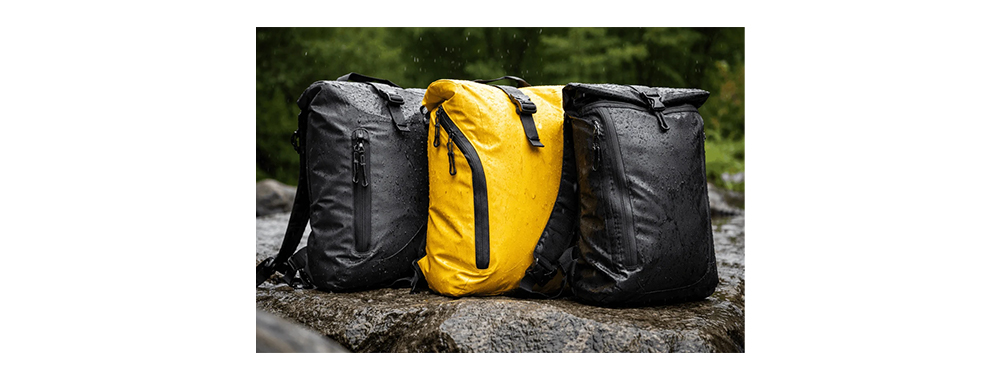
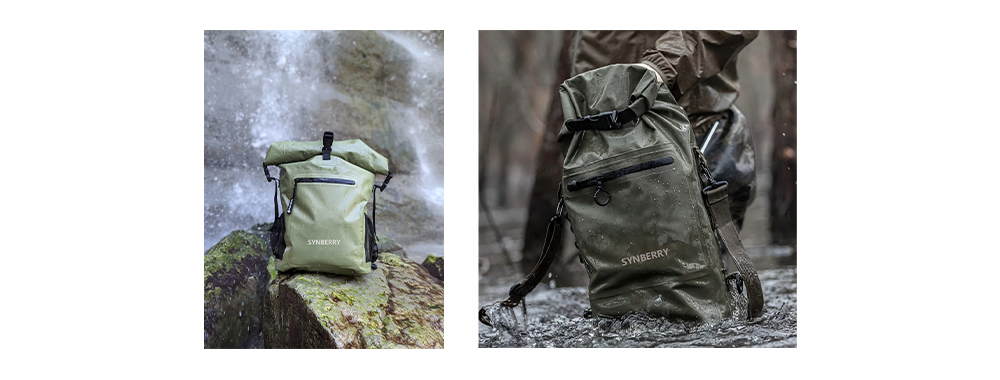
דרישות האיטום של תיקי יד וארנקים לרוב פחות ברורות, אך הן חשובות באותה מידה.
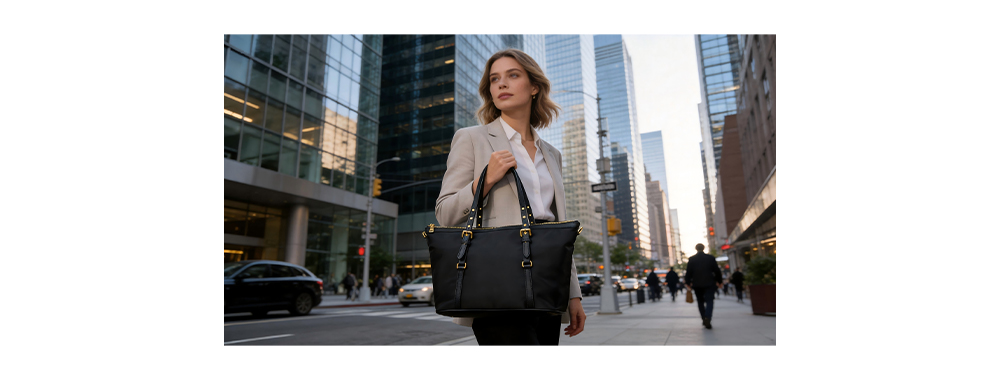
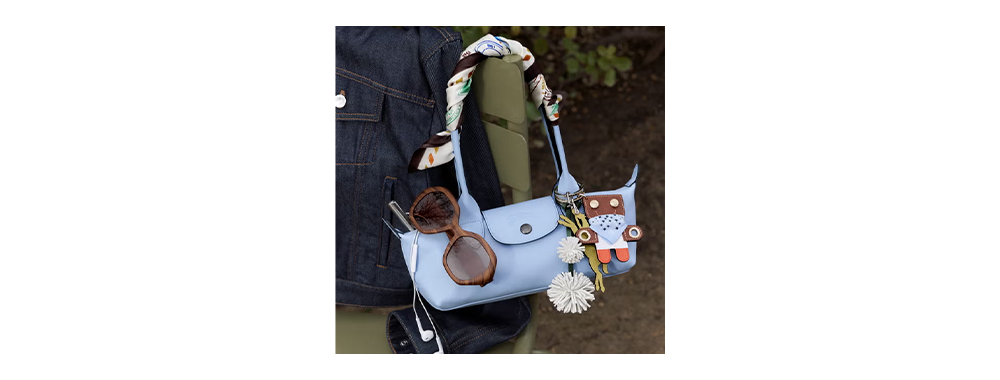
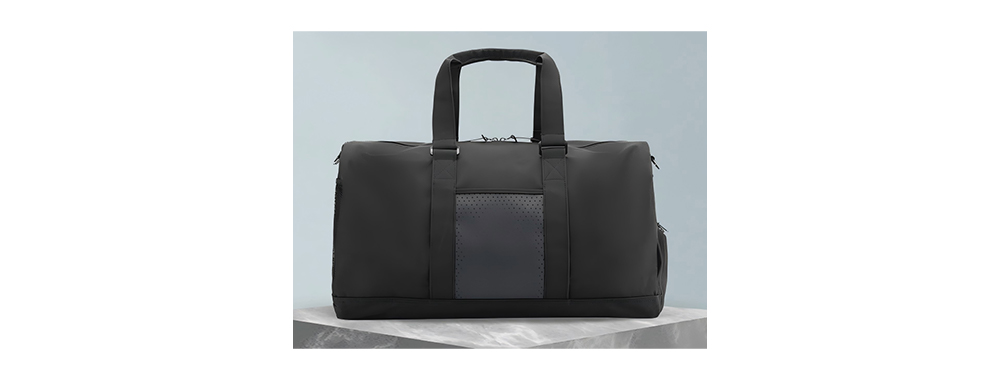
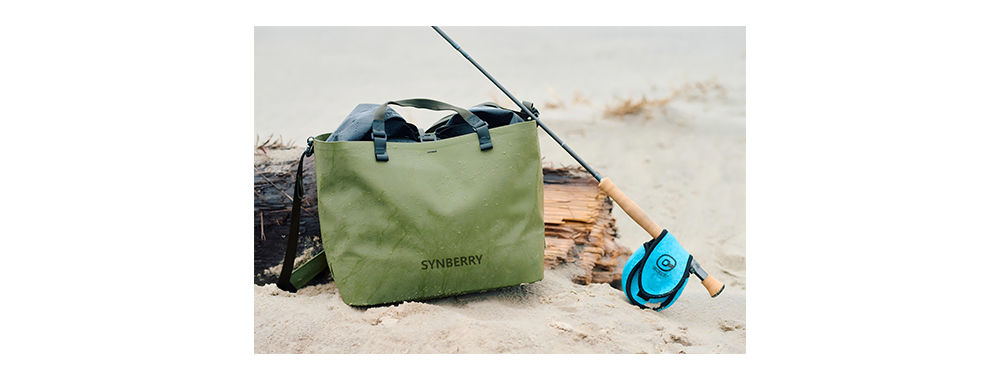
תיקי איפור ותיקי רחצה נמנים עם קטגוריות התיקים הקטנות ביותר, אך דרישות האיטום שלהם ייחודיות במיוחד. בניגוד לתיקי גב ותיקים, אשר צריכים להתמודד בעיקר עם "מי גשם חיצוניים", האיום העיקרי על תיקי איפור נובע מדליפות פנימיות. בקבוק מייקאפ שנופל, שפופרת קרם הגנה שמתפוצצת תחת לחץ, או בקבוק בושם דולף עלולים להרוס את כל הפריטים שבתוך התיק ואף עלולים לפגוע בחפצים אחרים הארוזים באותה מזוודה. לכן, היגיון האיטום של תיקי איפור ותיקי ארגון הוא "מבפנים החוצה".
עבור יצרני שקיות קוסמטיקה של יצרני ציוד מקורי (OEM), בחירת הבד לתיקי קוסמטיקה צריכה לעמוד בשלוש דרישות בו זמנית: מראה מעודן, הגנה מפני דליפות מבפנים וניקוי קל.
הבד החיצוני משתמש בדרך כלל בטיפול עמיד למים של DWR, אשר משמר את המראה המבריק של הבד ואת תחושת היד העדינה שלו, ובמקביל מספק הגנה מפני התזות מים מכיורי אמבטיה.
השכבה שלוקחת על עצמה את האחריות העיקרית לאיטום היא שכבת הבטנה. תיקי קוסמטיקה בטווח בינוני משתמשים בדרך כלל במבנה של "בטנה מצופה PU". גישה זו שומרת על עלויות תחת שליטה ומונעת ביעילות חדירת נוזלים, אך לאחר שימוש ממושך, הבטנה עלולה להתנפח או לעבור נזק פני השטח עקב חשיפה לשמנים, שמנים אתריים ומרכיבים מבוססי אלכוהול המצויים בקוסמטיקה.
חלק מהמוצרים היוקרתיים משתמשים במקום זאת בבטנה TPU למינציה, המציעה עמידות כימית טובה משמעותית מאשר PU. היא מספקת עמידות חזקה יותר לשמנים אתריים ולקוסמטיקה על בסיס אלכוהול, וניתן גם להפוך אותה לבטנה פנימית חלקה באמצעות ריתוך בתדירות גבוהה, מה שמבטל לחלוטין את הסיכון לדליפה דרך חורי מחט.
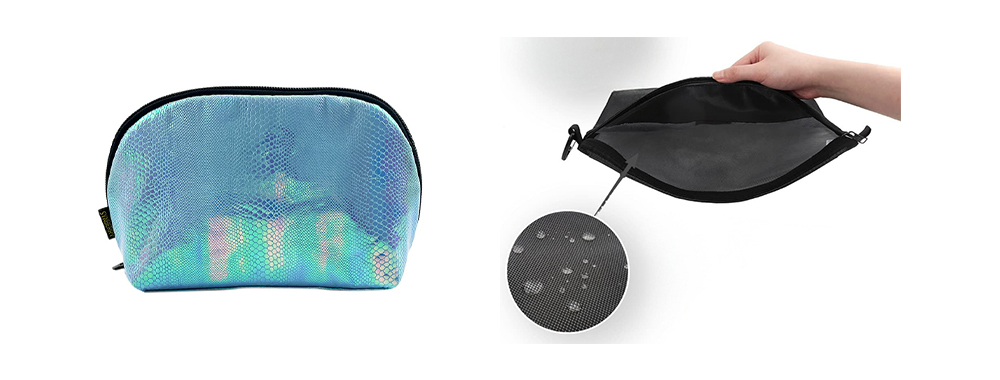
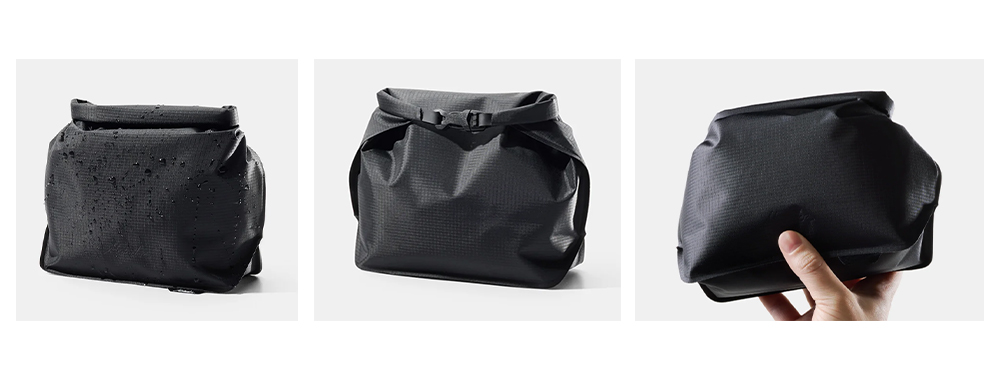
בהשוואה לתיקי קוסמטיקה, תיקי רחצה קרובים יותר למיקום של "נרתיק רך ועמיד למים". מכיוון שהם נושאים ישירות מוצרי טיפוח נוזליים, בד TPU למינציה + רוכסן עמיד במים + סגירת רול-טופ הפכו לתצורה סטנדרטית עבור מוצרים יוקרתיים.
עמידות ה-TPU להידרוליזה חשובה במיוחד ביישום זה. תיקי רחצה משמשים לעתים קרובות בסביבות לחות גבוהה כמו חדרי אמבטיה, שבהן קצב ההזדקנות של ציפויי PU יכול להאיץ משמעותית. עבור קוני OEM של תיקי רחצה המכוונים לשווקים אירופיים ואמריקאים, תיקי רחצה המיוצרים מבד למינציה של TPU יכולים לא רק לעבור בדיקות עמידות למים מחמירות יותר (כגון בדיקות IPX4 להתזות מים) ביתר קלות, אלא גם בעלי סיכוי גבוה יותר לקבל משוב חיובי "נגד דליפות" מלקוחות בהתבסס על חוויית המשתמש בפועל שלהם.
בתקשורת בהתאמה אישית בתעשיית התיקים, "עמידות למים" הוא מונח שמשתמשים בו יתר על המידה ולעתים קרובות אינו חד משמעי. לאחר הבנת תהליכי האיטום המקובלים, הבה נבחן כעת את הבדיקות הסטנדרטיות המשמשות בתעשייה כדי להגדיר ולאמת ביצועי עמידות למים.
מבחן ראש הידרוסטטי הוא השיטה הבסיסית והנפוצה ביותר למדידת עמידות בד לחדירת מים נוזליים. עקרון הבדיקה כרוך בקיבוע דגימת בד על מתקן עם אזור בדיקה סטנדרטי, לאחר מכן הפעלת לחץ מים על צד אחד של הבד בקצב קבוע ורישום גובה הלחץ שבו מים חודרים לצד הנגדי של הבד (נמדד במילימטרים של עמודת מים, מ"מ H₂O).
הסטנדרטים העיקריים כוללים:
AATCC 127 (האגודה האמריקאית לכימאים וצבעוניים של טקסטיל): לחץ הבדיקה עולה בקצב של 60 מיליבר/דקה, והשיטה מתאימה להערכה שגרתית של רוב בדי השקיות.
ISO 811 (ארגון התקינה הבינלאומי): דומה בעיקרו ל-AATCC 127, אך עם שיעורי לחץ ומידות דגימה שונים במקצת. לקוחות אירופאים דורשים בדרך כלל דוחות בדיקה המבוססים על תקן זה.
JIS L 1092 (תקן תעשייתי יפני): בשימוש נרחב בשרשראות האספקה האסיאתיות. שיטה A היא שיטת הלחץ הנמוך, בעוד ששיטה B היא שיטת הלחץ הגבוה. שקיות חוץ יוקרתיות דורשות לעתים קרובות נתוני שיטה B.
מבחן ההידרוסטטי מודד את התנגדות הבד תחת לחץ סטטי, אך בשימוש בפועל, מי גשמים באים במגע עם פני השטח של שקית באמצעות פגיעה דינמית. מבחן הריסוס נועד לדמות תרחיש זה.
תקני AATCC 22 ו-ISO 4920 הם תקני בדיקת הריסוס הנפוצים ביותר. במהלך הבדיקה, 250 מ"ל מים מרוססים מגובה קבוע (בדרך כלל 150 מ"מ) על דגימת בד הממוקמת בזווית של 45°. לאחר מכן, הדגימה מוערכת על ידי השוואת האזור הרטוב על פני השטח שלה לסולם דירוג הרטבה סטנדרטי מ-1 עד 5, כאשר 5 הוא הדירוג הטוב ביותר.
הערך המרכזי של ציפוי DWR מודגם בצורה הברורה ביותר במבחן הריסוס. בד ניילון שטופל בגימור DWR איכותי יגרום לטיפות מים להתגלגל לאחר הריסוס, וכמעט ולא ישאיר הרטבה על פני הדגימה ויכול להשיג דירוג 4-5. לעומת זאת, אותו בד לאחר כשל ב-DWR יאפשר למים להתפשט במהירות על פני השטח ולחדור למבנה הטקסטיל, מה שעלול להוביל לדירוג נמוך של 1-2.
שני המבחנים הנ"ל משתמשים בבד כנושא הבדיקה, אך ביצועי האיטום האולטימטיביים של תיק תלויים בביצועים השיטתיים של "בד + מבנה". מבחן הגשם (AATCC 35) מציב את כל התיק או מכלול הבד התפור בסביבת גשם מדומה, תוך ריסוס מים בזווית ובקצב זרימה מוגדרים כדי להעריך דליפות באזורים פגיעים מבחינה מבנית כגון תפרים, רוכסנים ופינות.
בד למינציה של TPU עשוי להיות בעל ערך ראש הידרוסטטי גבוה של עד 5,000 מ"מ, אך אם התפרים אינם אטומים בסרט תפרים לאחר התפירה, מים עלולים לחדור תחילה דרך התפרים במהלך בדיקת הגשם. לכן, בדיקת הגשם משמשת כגשר המחבר בין "ביצועי החומר" ל"ביצועי המוצר המוגמר".
בתחום תרמילי הגב לחוץ, צרכנים מרבים לדבר על "אטימות למים" ו"נשימה" כמאפיינים מנוגדים. עם זאת, יש לכמת את שתי התכונות הללו באמצעות בדיקות שונות. קצב העברת לחות ואדי מים (MVTR) מודד את יכולתו של בד לאפשר לאדי מים לעבור דרכו, ובדרך כלל מבוטא בגרם/מ"ר/24 שעות.
l ASTM E96 (שיטת הכוס) ו- JIS L 1099 (שיטת סידן כלוריד / שיטת כוס לחדירות לחות) הם תקני הבדיקה העיקריים.
לבדים שטופלו ב-DWR יש את יחס ה-MVTR הגבוה ביותר, בדרך כלל קרוב לזה של הבד המקורי הלא מטופל; ציפויי PU מפחיתים משמעותית את העברת אדי הלחות; ובדים למינציה של TPU המשתמשים בשכבות צפופות ולא מיקרופוריות הם בדרך כלל בעלי יחס ה-MVTR הנמוך ביותר.
דוח בדיקת בד עמיד למים מוסמך צריך להכיל לפחות את המידע הבא:
בייצור בפועל, על היצרנים ליישם מערכת בדיקת חומרים נכנסים. כאשר בד נכנס למחסן, יש לדגום ולבדוק את עומק ההידרוסטטי בהתאם לתקן AATCC 127. אימות חומר טרום-ייצור זה יכול לזהות סיכוני כשל באיטום בשלב מוקדם של הייצור ולמנוע עיבוד חוזר בקנה מידה גדול.
בהקשר זה, Synberry Bag, מפעל המתמחה בייצור שקיות מזה 30 שנה, מבצע בדיקות עמידות למים סטנדרטיות כדי לאשר פרמטרי ביצועים לפני השקת כל מוצר חדש, תוך הבטחה שביצועי עמידות למים של המוצרים הסופיים יישארו יציבים ועומדים בדרישות הזמנת הלקוח, תוך הימנעות מתלונות לקוחות הנגרמות עקב היעדר נהלי בדיקה.
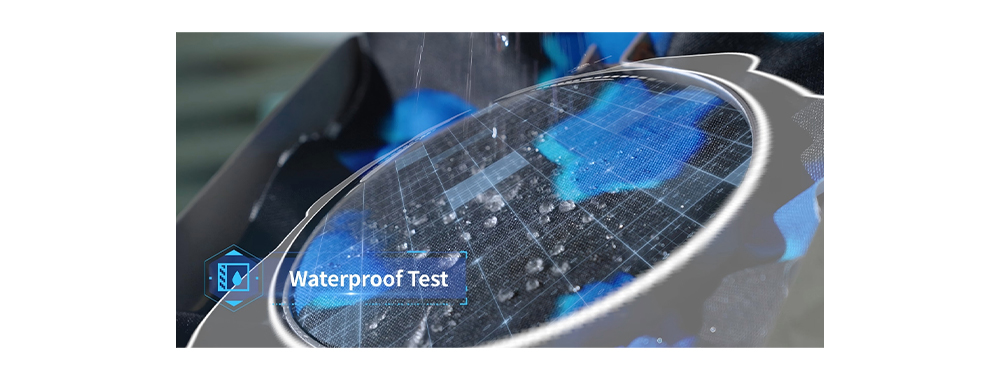
תמונה המציגה את SYNBERRY BAG מבצעת בדיקות לחץ הידרוסטטיות על כל אצווה של חומרים עמידים למים לפני השקת מוצרים חדשים.
א: PVC (פוליוויניל כלוריד) ו-PU (פוליאוריתן) הן שתי מערכות פולימר שונות לחלוטין, והן נבדלות באופן משמעותי ביישומי איטום של שקיות.
א: כן, אך האפקטיביות מוגבלת. ניקוי עמיד למים (DWR) הוא טיפול לפני השטח, וברגע שהוא מאבד את יעילותו, ניתן לשקמו באמצעות תרסיסים זמינים מסחרית (כגון Nikwax TX.Direct או Grangers).
תהליך השיקום כולל בדרך כלל: ניקוי הבד → ייבוש במייבש כביסה בטמפרטורה נמוכה או גיהוץ להפעלת הסיבים → מריחה אחידה של טיפול שיקום DWR → מריחה נוספת של חום בטמפרטורה נמוכה כדי לייבש את הטיפול. עם זאת, שיקום עצמי בדרך כלל פחות יעיל מתהליכי יישום של רפידות או ריסוס ברמת היצרן, ושיקום תכוף עשוי לשנות את תחושת היד של הבד.
א: לאחר שציפוי PU עבר הידרוליזה ברורה (דביקות פני השטח, התכהות אבקה או קילוף), הוא מהווה פירוק כימי בלתי הפיך ולא ניתן לתקן אותו באמצעות ניקוי פשוט או ציפוי מחדש.
עבור מותגים, מניעה עדיפה על תיקון. בשלב הרכש, יש לחייב מפעלי שקיות להשתמש בפוליאוריתן עמיד להידרוליזה, כאשר פורמולציות מבוססות פוליאתר עדיפות על פני פורמולציות מבוססות פוליאסטר. במהלך האחסון, יש לשלוט גם בטמפרטורה ובלחות במחסן, כאשר לחות יחסית מומלצת היא מתחת ל-60% וטמפרטורה מתחת ל-25°C. עבור מוצרי מלאי המראים סימנים מוקדמים של הידרוליזה, בידוד והערכת שיעור הגרוטאות הם אמצעי בקרת האיכות המתאימים היחידים.
א: כן, וזה נפוץ מאוד בייצור בפועל. מבנה "סנדוויץ'" טיפוסי מורכב מ: דחיית מים DWR על פני הבד → ציפוי PU או למינציה TPU על גב הבד → איטום סרט תפרים.
שילוב זה אינו רק תוספת ביצועים; אלא, הפונקציות משלימות זו את זו: דבק עמיד למים מפחית את כמות המים המגיעה למחסום האיטום ומאריך את חיי השירות של שכבת ה-PU/TPU; PU/TPU מספק את מחסום האיטום בפועל; וסרט התפרים מבטל דליפות מבניות.
עם זאת, עבור מותגים, שילוב של מספר פתרונות מגדיל משמעותית הן את העלות והן את מורכבות התהליך, כך שהיתכנות הדבר צריך להיקבע בהתאם למיצוב המוצר בשוק.
א: מנקודת מבט של תכונות חומר, TPU הוא חומר תרמופלסטי וניתן תיאורטית למחזר אותו ולעבד אותו מחדש, בעוד שציפוי PU הוא מערכת תרמוסטית/ריאקטיבית שקשה להפריד ולמחזר אותה לאחר שהיא מתקשתה.
עם זאת, השאלה "ידידותית יותר לסביבה" היא שאלה של מחזור חיים מלא. בד למינציה של TPU דורש יותר אנרגיה במהלך הייצור, והמבנה המורכב של TPU והבד גם מקשה על המיחזור בפועל.
עבור מותגים, במקום להתמקד יתר על המידה ב"איזה מהם ידידותי יותר לסביבה", מעשי יותר להגביל בבירור חומרים מזיקים (כגון PFAS, פתלטים ומתכות כבדות) בחוזי רכש ולתעדף ספקים שקיבלו אישורי סביבה רלוונטיים.
א: זה תלוי ברמת האיטום היעד של המוצר. לרוכסנים רגילים יש רווחים בין השיניים, אשר עשויים לאפשר למים לחדור ברגע שהלחץ ההידרוסטטי עולה על 300-500 מ"מ. רוכסנים עמידים למים (כגון סדרת YKK Aquaguard ו-Vislon) משתמשים בשיני רוכסן מצופות PU או בסרטי רוכסן למינציה TPU כדי להעלות את ביצועי האיטום של אזור הרוכסן לרמה דומה לזו של הבד.
מגן סערה חיצוני יכול לספק מידה מסוימת של הגנה מפני מי גשמים, אך הוא אינו יכול להתמודד כראוי עם גשם חזק המונע על ידי רוח או מגע עם נוזלים כאשר התיק הפוך. עבור תיקי נסיעות הממוקמים ברמה "עמידים בפני גשם", מגן סערה + רוכסן רגיל הוא פתרון חסכוני. עבור תיקי צלילה או תיקי קניונינג הממוקמים ברמה "עמידים למים", רוכסן עמיד למים או סגירת רול-טופ הוא אלמנט מבני שלא ניתן להתפשר עליו.
ציפוי DWR, למינציה PU וטכנולוגיית TPU מרוכבים יוצרים יחד ספקטרום טכני שלם בתעשיית התיקים, החל מ"דחיית מים" ועד "איטום". אין היררכיה מוחלטת של יתרונות וחסרונות ביניהם; במקום זאת, המפתח טמון במידת התאמתה של כל טכנולוגיה למיקום המוצר, לתרחיש השימוש, לתקציב העלות ולדרישות הסביבתיות.
ככל שטכנולוגיית איטום החומר ממשיכה להתפתח, DWR הופך ידידותי יותר לסביבה, PU הופך עמיד יותר, ו-TPU הופך קל ודק יותר. כחוליה מרכזית בשרשרת ייצור התיקים, תמיד שמרנו על תשומת לב רבה להתפתחויות טכנולוגיות אלו, ועזרנו למותגים להפוך את ההתקדמות במדעי החומרים לתחרותיות רבה יותר עבור מוצרי הקצה שלהם.
| מְחַבֵּר | ||||||
|
אנא המשך לקרוא, להישאר מעודכן, להירשם, ואנו מזמינים אותך לספר לנו מה אתה חושב.




זכויות יוצרים
@2024 Synberry Bag & Package Products Co.,Ltd כל הזכויות שמורות
.
 רשת נתמכת
מפת אתר / בלוג / Xml / מדיניות פרטיות